
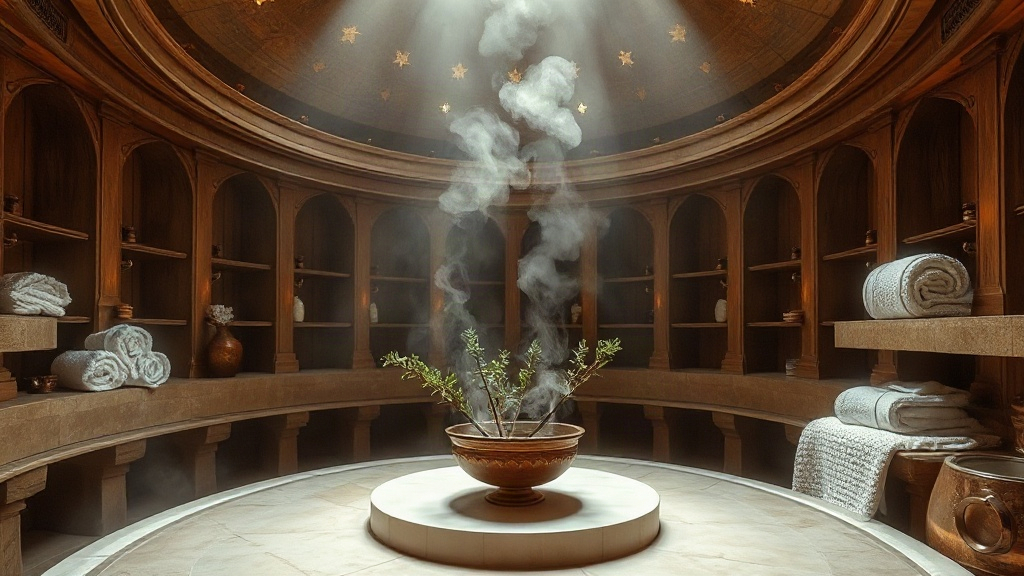
Imagine stepping into a warm, marble-clad room where the air is thick with steam and the scent of eucalyptus. You lie on a heated stone, and skilled hands work away the stress of modern life. This is the essence of the Turkish bath, a ritual steeped in history and renowned for its deep cleansing and relaxation benefits. Whether you're a seasoned spa-goer or a curious first-timer, searching for a turkish bath near me can open the door to an experience that nourishes both body and mind.
The Turkish bath, or hammam, is more than just a bath; it's a social and cultural institution that has been perfected over centuries. Originating from the Roman thermae and refined by the Ottomans, this practice combines heat, steam, and exfoliation to leave you feeling reborn. Today, it's celebrated worldwide as the ultimate self-care ritual, offering a unique blend of physical and mental rejuvenation that few other spa treatments can match.
In this guide, we'll explore what makes the Turkish bath so special, what to expect during your first visit, and how to locate an authentic turkish bath near me. We'll also answer common questions and provide tips to help you make the most of this timeless tradition.
What Is a Turkish Bath and How Does It Work?
A Turkish bath is a type of steam bath that involves a sequence of heating, cleansing, and cooling. Unlike a traditional sauna, which uses dry heat, a hammam is characterized by high humidity and a warm, enveloping atmosphere. The experience typically unfolds in several stages, each designed to promote relaxation and detoxification.
The first stage is the warm room, where your body gradually acclimates to the heat. Here, you'll sit or recline on a marble bench while the temperature hovers around 100°F (38°C). This gentle warmth opens your pores and prepares your skin for the exfoliation to come.
Next, you move to the hot room, which is significantly warmer and more humid. This is the heart of the hammam, where you'll spend most of your time sweating out impurities and relaxing your muscles. The steam helps to loosen dead skin cells, making the subsequent scrubbing more effective.
After you've sufficiently heated up, an attendant, known as a tellak or natir, will perform a vigorous full-body scrub using a coarse mitt called a kese. This exfoliation removes layers of dead skin, leaving your skin incredibly smooth and soft. Following the scrub, you'll be rinsed with warm water, and often a rich, soapy lather is applied for a luxurious foam massage.
The final stage is the cool-down, where you rest in a cooler room, sip on water or tea, and allow your body to return to its normal temperature. This step is crucial for reaping the full benefits of the ritual and preventing lightheadedness.
When you search for a turkish bath near me, you'll find that many modern spas have adapted this traditional sequence to suit contemporary preferences, offering variations like aromatherapy oils, herbal steams, and extended massage options. However, the core elements remain the same: heat, exfoliation, and relaxation.
The Rich History of the Turkish Bath
To truly appreciate the Turkish bath, it helps to understand its origins. The concept of communal bathing dates back to ancient Rome, where public baths served as centers for hygiene, socializing, and even business. When the Ottoman Empire rose to prominence, it adopted and transformed the Roman bathing tradition, infusing it with Islamic principles of cleanliness and creating the hammam as we know it today.
In Ottoman society, the hammam was not just a place to get clean; it was a vital social hub. Women would gather to celebrate weddings, births, and other milestones, while men conducted business and discussed politics. The hammam was also a symbol of hospitality, often attached to mosques and caravanserais to serve travelers.
This rich history is still palpable in many traditional hammams, especially in Turkey, Morocco, and other parts of the Middle East. The architecture, with its domed ceilings, intricate tilework, and central marble platform, is designed to enhance the sensory experience. Even in modern adaptations, the essence of community and ritual remains.
Understanding this cultural significance can deepen your appreciation when you visit a turkish bath near me. It's not merely a spa treatment; it's a connection to a centuries-old tradition of self-care and social bonding.
Health Benefits of the Turkish Bath
The Turkish bath offers a wide range of health benefits, many of which are supported by centuries of anecdotal evidence and modern wellness principles. Here are some of the key advantages:
- Deep Cleansing: The combination of steam and exfoliation removes dead skin cells, unclogs pores, and eliminates impurities, leaving your skin radiant and refreshed.
- Improved Circulation: The heat causes blood vessels to dilate, increasing blood flow and oxygen delivery to tissues. This can help reduce muscle soreness, improve skin tone, and promote overall cardiovascular health.
- Stress Relief: The warm, quiet environment of the hammam encourages deep relaxation. The ritualistic nature of the process, combined with the soothing touch of the scrub and massage, can significantly reduce stress and anxiety.
- Respiratory Benefits: The humid air can help clear nasal passages and ease breathing, making it particularly beneficial for those with mild respiratory issues or allergies.
- Detoxification: Sweating helps the body eliminate toxins through the skin. While the extent of detoxification is sometimes debated, many people report feeling lighter and more energized after a session.
- Muscle Relaxation: The heat relaxes tense muscles and can alleviate minor aches and pains, especially when combined with massage.
It's important to note that while a Turkish bath can be a wonderful complement to a healthy lifestyle, it is not a substitute for medical treatment. Always consult with a healthcare professional if you have any underlying health conditions, particularly cardiovascular issues or skin sensitivities.
What to Expect During Your First Turkish Bath
If you're new to the experience, knowing what to expect can help you feel more comfortable and get the most out of your visit. Here's a step-by-step guide to a typical Turkish bath session at a spa near you:
- Preparation: Upon arrival, you'll be given a peshtemal (a thin cotton wrap) and a pair of slippers. You'll change in a private area and then proceed to the warm room.
- Warm-Up: Spend 10-15 minutes in the warm room to let your body adjust to the heat. This is a good time to relax and let go of any tension.
- The Scrub: An attendant will guide you to the hot room and begin the exfoliation with a kese mitt. The scrub is vigorous but not painful; it's designed to remove dead skin effectively.
- Foam Massage: After the scrub, you'll be rinsed and then covered in a cloud of soapy foam. The attendant will give you a brief massage, working on your shoulders, back, and limbs.
- Rinse and Rest: You'll be thoroughly rinsed with warm water and then led to a cool-down area. Here, you can relax, hydrate, and enjoy the afterglow.
Many people are surprised by how social and communal the experience can be, especially in traditional hammams. However, most modern spas offer private or semi-private sessions for those who prefer more privacy. When searching for a turkish bath near me, be sure to check the facility's policies and options.
How to Find the Best Turkish Bath Near Me
Finding a high-quality turkish bath near me requires a bit of research, but the effort is well worth it. Here are some tips to help you locate an authentic and enjoyable experience:
- Read Reviews: Online platforms like Google Maps, Yelp, and TripAdvisor are excellent resources. Look for places with consistently high ratings and detailed reviews that mention cleanliness, professionalism, and authenticity.
- Check Credentials: Ensure the spa is licensed and employs trained attendants. A reputable establishment will be transparent about its services and staff qualifications.
- Consider the Setting: Some people prefer a traditional, no-frills hammam, while others enjoy a more luxurious spa environment. Decide what matters most to you: authenticity, ambiance, or a combination of both.
- Ask About Customization: Many modern Turkish baths offer add-ons like aromatherapy, clay masks, or extended massages. If you have specific preferences, inquire about customization options.
- Look for Hygiene Standards: Cleanliness is paramount in any bathing facility. Check that the spa follows strict hygiene protocols, including sanitizing surfaces and providing fresh linens for each guest.
By taking the time to research, you can find a turkish bath near me that meets your needs and provides a truly restorative experience.
Turkish Bath vs. Other Spa Treatments
You might be wondering how a Turkish bath compares to other popular spa treatments like saunas, steam rooms, or body scrubs. While each has its merits, the Turkish bath offers a unique combination of elements that set it apart.
Unlike a dry sauna, which can feel intense and arid, the hammam's humid heat is gentler on the respiratory system and often more comfortable for extended periods. A steam room provides similar humidity, but it typically lacks the exfoliation and massage components that are central to the Turkish bath experience.
A standalone body scrub can certainly improve skin texture, but it doesn't offer the same deep relaxation that comes from the heat and ritual of the hammam. The Turkish bath integrates all these elements into a cohesive, time-honored practice that addresses both physical and mental well-being.
For those seeking a comprehensive self-care ritual, the Turkish bath is hard to beat. It's an immersive experience that engages all the senses and leaves you feeling thoroughly renewed.
Tips for Maximizing Your Turkish Bath Experience
To get the most out of your Turkish bath visit, consider the following tips:
- Hydrate: Drink plenty of water before and after your session to replace fluids lost through sweating.
- Arrive Early: Give yourself time to relax and acclimate before the treatment begins.
- Avoid Heavy Meals: It's best to visit on a relatively empty stomach to avoid discomfort in the heat.
- Communicate Your Preferences: Don't hesitate to tell the attendant if you prefer a gentler scrub or a firmer massage. They are there to ensure your comfort.
- Take Your Time: Don't rush through the cool-down phase. Allow your body to gradually return to normal temperature.
- Moisturize Afterward: Your skin will be highly receptive to moisturizers after exfoliation. Apply a rich lotion or oil to lock in hydration.
By following these simple guidelines, you can enhance the benefits of your Turkish bath experience and enjoy lasting results.
Frequently Asked Questions About Turkish Baths
Is a Turkish bath suitable for everyone?
While generally safe for most people, a Turkish bath may not be advisable for individuals with certain health conditions, such as uncontrolled high blood pressure, heart disease, or skin infections. Pregnant women should also consult their doctor before visiting. Always err on the side of caution and seek medical advice if unsure.
How often should I have a Turkish bath?
The frequency depends on your skin type and personal preference. For most people, once a month is sufficient to maintain smooth skin and enjoy the relaxation benefits. Those with oily skin might benefit from more frequent visits, while individuals with dry or sensitive skin may want to limit sessions to every six to eight weeks.
What should I wear during a Turkish bath?
In most modern spas, you'll be provided with a peshtemal or a disposable undergarment. You can also bring your own swimsuit if you prefer. The key is to feel comfortable and relaxed. Traditional hammams may have different norms, so it's a good idea to check ahead.
Can I have a Turkish bath if I have sensitive skin?
Yes, but you should inform the attendant beforehand. They can adjust the pressure of the scrub and use gentler products. It's also wise to test a small area first if you have known sensitivities. After the bath, apply a soothing, fragrance-free moisturizer to calm the skin.
How long does a typical Turkish bath session last?
A standard session usually lasts between 45 and 60 minutes, including the warm-up, scrub, foam massage, and cool-down. However, many spas offer extended packages that can last up to 90 minutes or more, especially if you add on extra treatments like a full-body massage or a facial.
In conclusion, the Turkish bath is a profound self-care ritual that offers a unique blend of physical and mental benefits. Whether you're seeking deep cleansing, stress relief, or a cultural experience, finding a turkish bath near me can be the first step toward a more balanced and rejuvenated you. So go ahead, embrace the steam, and let the ancient tradition of the hammam transform your well-being.