
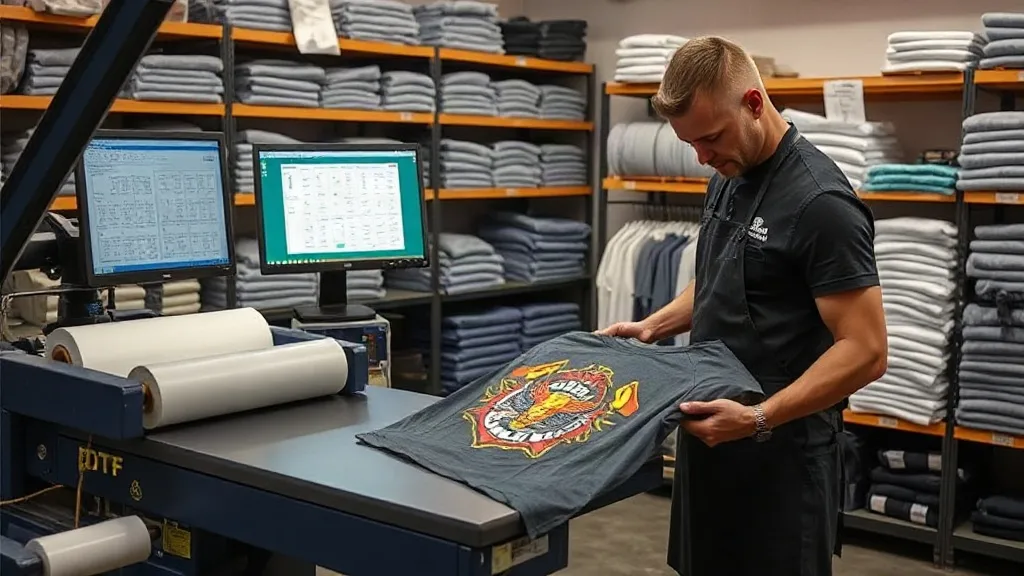
Walk into most custom apparel shops and you will hear the same story: DTF is that thing they offer when a customer asks for a small run or a complex design. It is treated as a convenience, not a core service. That mindset leaves money on the table. When you handle dtf transfers as a deliberate profit center, the numbers change quickly. You stop losing jobs to online giants, you attract repeat business, and you build a reputation for solving problems other shops turn away.
This article is not about the basics of dtf printing. You already know how to press a transfer. Instead, we will look at the business side: how to price, position, and package DTF so it becomes a predictable revenue stream rather than an afterthought. The ideas here come from shops that made the shift and never looked back.
Why DTF Deserves a Front-Row Seat
Screen printing is efficient at volume, but it demands setup time and minimums that scare away small orders. Vinyl is fine for simple names and numbers, but it fails on gradients and fine detail. DTF sits in the sweet spot: no minimums, no color limits, and a soft hand feel that customers actually like. The problem is that many shops bury DTF in the fine print of their service menu, so customers never realize it is an option.
Think about the last time a customer asked for ten shirts with a full-color logo. If you quoted screen printing, the setup costs probably made their eyes water. With DTF, you can give them a price that works for both sides. That is not just a one-time sale; it is a chance to become their go-to printer for every small batch, team event, and last-minute gift.
Pricing DTF for Profit, Not Just Coverage
Many shops price DTF by matching the competition, which often means racing to the bottom. A better approach is to price based on the value you deliver: speed, flexibility, and no minimums. Customers pay for convenience, especially when they are on a deadline.
Break Down Your Costs Honestly
Before you set a price, know what each transfer actually costs you. Factor in film, powder, ink, labor for weeding and pressing, and a portion of your equipment maintenance. Many shops forget to include the time spent on file prep and customer communication. A transfer that sells for $8 might cost you $5 in materials and labor, leaving a thin margin. Once you see the real numbers, you can decide where to adjust.
Create Tiered Pricing
Offer a base price for single transfers and a discounted rate for bulk orders or gang sheets. This encourages larger orders without undervaluing your work. For example, a single transfer might be $10, while a gang sheet with ten designs could be priced at $6 per design. The customer feels they are getting a deal, and you maximize your production efficiency.
Charge for Artwork Setup
If a customer sends a low-resolution image or a file that needs cleaning up, charge a reasonable artwork fee. This covers your time and discourages sloppy submissions. Many shops waive the fee for orders above a certain quantity, which gives customers an incentive to order more.
Workflow Tweaks That Save Hours
DTF can be a time sink if you let it. The key is to standardize your process so that every job moves through the same steps without bottlenecks.
Batch Similar Jobs
Instead of printing one transfer at a time, group jobs by film type or color profile. Printing multiple designs on a single gang sheet reduces waste and setup time. If you use a gang sheet builder, you can nest designs efficiently and cut down on film costs.
Set Up a Pressing Station
Keep your heat press dedicated to DTF during peak hours. Switching between vinyl and DTF wastes time and can affect temperature consistency. A dedicated station with a checklist taped to the wall helps even new employees press correctly.
Use Quality Control Checks
Inspect every transfer before it leaves the shop. Look for missing powder, uneven ink coverage, or film wrinkles. A quick check saves you from remakes and unhappy customers. Many shops implement a simple sign-off sheet where the person who pressed the transfer initials the order.
Marketing DTF as a Solution, Not a Commodity
Customers do not wake up wanting DTF transfers. They want a shirt that looks good and arrives on time. Your marketing should focus on the problems DTF solves: no minimums, full-color designs, fast turnaround, and durability.
Target Small Businesses and Events
Local sports teams, church groups, and small businesses often need 10 to 50 shirts with complex logos. These are exactly the orders that screen printers turn away. Reach out to these groups with a simple offer: full-color shirts, no minimum, ready in days. A single little league team can lead to repeat orders every season.
Showcase Durability
One of the biggest objections to DTF is longevity. Create a sample shirt with a DTF print and wash it repeatedly. Keep it in the shop and show customers how it holds up after 20 washes. This simple demonstration builds trust and answers the question before it is asked.
Bundle with Blanks
Offer a package deal that includes the blank shirt and the DTF print. Customers appreciate one-stop shopping, and you control the quality of both components. If you use a reliable blank like Shaka Wear, you can guarantee a consistent result and reduce the risk of returns.
Training Staff to Sell DTF
Your team is your best sales force, but only if they understand DTF. Train everyone who answers the phone or greets customers to explain the benefits in plain language. Role-play common scenarios: a customer who wants one shirt, a customer who needs a rush order, a customer who is comparing prices. When staff can confidently say, “We can do that with DTF, and it will be ready Friday,” you win more jobs.
Also, make sure your staff knows the limitations. DTF works on cotton, poly, and blends, but certain fabrics like nylon or treated water-repellent materials may not adhere well. Being honest about what DTF cannot do builds credibility and prevents costly mistakes.
Common Pitfalls and How to Avoid Them
Even experienced shops stumble when scaling DTF. Here are a few traps to watch for.
- Underpricing to win jobs: It is tempting to slash prices to beat online competitors, but that erodes your margin and attracts bargain hunters who will leave for the next cheap option. Compete on service and speed instead.
- Ignoring file quality: Accepting low-resolution files leads to poor prints and remakes. Set clear guidelines and offer a paid cleanup service.
- Neglecting maintenance: DTF printers require regular cleaning and maintenance. Skipping it leads to clogs and downtime. Create a daily and weekly maintenance schedule and stick to it.
- Not tracking costs: Without accurate cost tracking, you cannot know which jobs are profitable. Use a simple spreadsheet or software to log materials, labor, and time for each order.
Frequently Asked Questions
How do I convince customers that DTF is as good as screen printing?
Focus on the benefits that matter to them: no minimums, full-color designs, and fast turnaround. Show them a sample that has been washed multiple times to prove durability. For small orders, DTF often delivers a better value than screen printing because there are no setup fees.
What is the ideal order size for DTF?
DTF shines for orders between 1 and 50 pieces. For larger orders, screen printing may be more cost-effective, but DTF can still be competitive if the design has many colors or requires a quick turnaround. Evaluate each job based on complexity and deadline.
Can I use DTF on dark and light fabrics?
Yes, DTF works on both. The white ink layer in the transfer provides opacity on dark fabrics, while on light fabrics you can choose to print with or without a white base depending on the desired look. Always test on the actual fabric to ensure compatibility.
How should I price DTF transfers to stay competitive but profitable?
Calculate your true cost per transfer, including materials, labor, and overhead. Then set a price that covers those costs and adds a reasonable margin. Offer tiered pricing for larger orders and charge for artwork setup when necessary. Avoid matching the lowest online prices; instead, emphasize your local service and fast turnaround.
What maintenance does a DTF printer need?
Daily maintenance includes printing a test pattern and cleaning the printhead. Weekly tasks include checking ink levels, cleaning the capping station, and inspecting the film feed. Monthly, you should perform a more thorough cleaning and check the powder shaker. Follow the manufacturer’s recommendations for your specific model.
DTF transfers are more than a technical process; they are a business opportunity. By treating them as a core service, pricing them correctly, and marketing their unique advantages, you can turn a quiet add-on into a reliable profit center. The shops that make this shift often find that DTF becomes the gateway to long-term customer relationships and steady growth.