
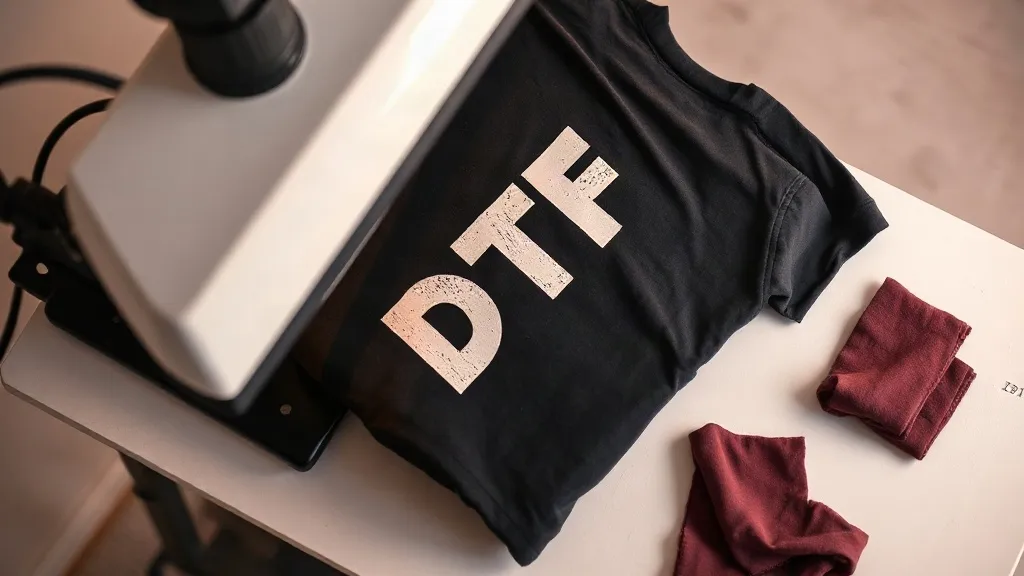
You have probably seen it happen: a beautifully printed dtf transfers looks perfect coming off the press, but after a few washes, the edges start to lift, or the colors dull into a muddy mess. The culprit is rarely the transfer itself. More often, it is a mismatch between the transfer and the fabric it was pressed onto. Understanding fabric compatibility is the single most effective way to reduce waste, keep customers happy, and protect your shop's reputation. This playbook breaks down what you need to know about pressing dtf transfers on different materials, from common cottons to tricky synthetics, so you can choose the right combination every time.
Why Fabric Compatibility Matters More Than You Think
DTF transfer printing is versatile, but it is not magic. The adhesive powder that bonds the ink to the fabric needs a surface it can grip. Factors like fiber type, weave density, stretch, and chemical finishes all influence how well that bond forms and how long it lasts. Press a transfer onto a loosely woven cotton and it may sink in, losing detail. Press it onto a slick polyester and it might peel because the adhesive cannot anchor. Get it right, and you will see vibrant colors, soft hand feel, and wash durability that keeps customers coming back.
The Big Three: Cotton, Polyester, and Blends
Most custom apparel falls into these categories, and each behaves differently under the heat press.
100% Cotton: The Easy Favorite
Cotton is forgiving. Its natural fibers have a textured surface that the adhesive powder can grab onto, and it handles the heat of the press well. Prints on cotton tend to be soft and detailed, and they hold up through repeated washing. The main thing to watch is shrinkage: pre-shrunk blanks are your friend. Also, very smooth, combed cotton can sometimes allow the transfer to sit more on the surface, which is fine but may feel slightly stiffer until the first wash.
100% Polyester: Proceed with Caution
Polyester is where many shops run into trouble. The smooth, synthetic surface offers little mechanical grip for the adhesive, so transfers can peel or crack. Worse, polyester can be heat-sensitive: too much temperature and you risk glazing or even melting the fabric. The fix is to use a lower pressing temperature (around 280-300°F instead of the usual 320-340°F), a longer dwell time, and a silicone or Teflon sheet to protect the surface. Some printers also recommend a polyester-specific adhesive powder. Always test on a scrap first.
Blends: The Middle Ground
Cotton-poly blends are common and generally press well, but the ratio matters. A 50/50 blend behaves more like polyester, while a 90/10 cotton-rich blend is closer to pure cotton. Adjust your temperature and pressure accordingly, and always check the care label for heat sensitivity.
Specialty Fabrics and How to Handle Them
Beyond the basics, you will encounter fabrics that require extra attention.
Tri-Blends and Heathers
Tri-blends (cotton, polyester, rayon) have a soft, vintage feel and a slightly uneven surface. They press well, but the rayon content can make them more heat-sensitive. Use a lower temperature and gentle pressure. Heather fabrics have a textured appearance that can hide minor imperfections, but the transfer may not sit as flat, so consider a slightly thicker transfer film.
Nylon and Water-Resistant Fabrics
Nylon and fabrics with water-repellent coatings (like some outerwear) are notoriously difficult. The coating prevents the adhesive from bonding. In most cases, DTF is not the right choice for these materials unless you can remove or bypass the coating. For nylon, a very low temperature and extended press time might work, but testing is essential.
Stretch Fabrics: Spandex and Elastane
Stretch fabrics demand a transfer that can move with the garment. Standard DTF transfers have some stretch, but for high-stretch fabrics like spandex blends, you need a transfer with a stretchable adhesive or a specialized film. Pressing at a lower temperature and using a stretchable powder can help prevent cracking when the garment is worn.
Weave and Texture: The Hidden Variables
Fiber content is only half the story. The weave structure affects how the transfer adheres and how it looks.
- Open weaves (e.g., mesh, loose knits): The transfer may sink into the gaps, losing fine detail. Use a thicker film or double-press.
- Tight weaves (e.g., poplin, canvas): The smooth surface can make adhesion tricky; ensure enough pressure and proper cooling.
- Fleece and terry cloth: The raised surface can prevent full contact. Pre-press to flatten the fibers, then press with higher pressure.
Always consider the texture when choosing your transfer. A detailed design might need a smoother fabric to shine.
Pre-Treatment: The Step You Cannot Skip
Even the right fabric can fail if it is not prepared. Pre-pressing the garment for a few seconds removes moisture and wrinkles, creating a flat surface. For fabrics with sizing or finishes, a quick wash (if allowed) can improve adhesion. And always check for fabric softeners: they can leave a residue that repels the adhesive.
Testing: Your Best Insurance Policy
Before committing to a full production run, press a sample transfer onto a scrap of the actual fabric you will use. Then wash it according to the garment's care instructions. This simple step can save you from a costly mistake. Keep a log of successful settings for each fabric type so you can replicate results.
When to Source Transfers Locally
If you are unsure about fabric compatibility or need a specific transfer type, finding a reliable supplier is key. Searching for dtf transfers near me can connect you with local experts who understand the nuances of different materials and can guide you. A good supplier will offer samples and advice, helping you avoid trial and error.
Building a Fabric-First Workflow
Make fabric compatibility a standard part of your order intake. Ask customers about the garment type, fiber content, and intended use. Then match the transfer and pressing settings accordingly. This proactive approach reduces reprints and builds trust. Remember that dtf transfers are a tool, and like any tool, they perform best when used correctly.
Frequently Asked Questions
Can I use DTF transfers on 100% polyester without special equipment?
Yes, but you must adjust your press settings. Use a lower temperature (around 285°F), increase dwell time to 15-20 seconds, and use a protective sheet. Always test wash a sample first.
What is the best fabric for DTF transfers?
100% cotton is the most forgiving and delivers excellent results. Cotton-poly blends also work well. Avoid fabrics with heavy coatings or finishes.
How do I prevent cracking on stretch fabrics?
Use a transfer with a stretchable adhesive and press at a lower temperature. Avoid over-stretching the garment during pressing.
Do I need to pre-wash fabrics before pressing DTF transfers?
Pre-washing is not always necessary, but it can remove sizing and improve adhesion. Always pre-press to remove moisture and wrinkles.
Can DTF transfers be applied to nylon or water-resistant fabrics?
Generally not recommended. The adhesive cannot bond to slick or coated surfaces. For nylon, testing with low heat may work, but results vary.