
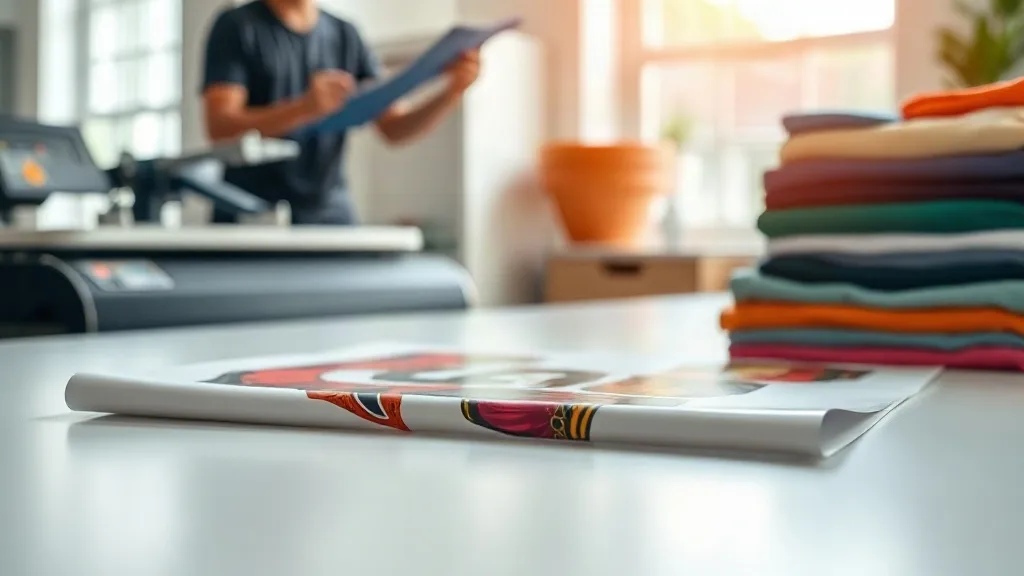
You've probably typed dtf transfers near me into a search bar at least once, maybe after a customer asked for a last-minute custom shirt or a school team needed twenty matching jerseys by Friday. The search results can feel overwhelming: dozens of listings, vague turnaround times, and no real sense of who actually knows what they're doing. This guide cuts through the noise. It's written for the person who needs reliable dtf transfers without driving across three counties or gambling on a supplier they've never met.
Why Local Matters More Than You Think
Ordering dtf transfers online from a warehouse hundreds of miles away works fine until something goes wrong. Maybe the colors came out muddy, or the sheet arrived with the film peeling at the edges. Suddenly you're stuck in an email chain, waiting days for a resolution while your client's deadline inches closer. A local supplier changes that dynamic. You can walk in, show them the problem, and walk out with a fix. That kind of accountability is hard to price, but it's often the difference between a smooth job and a stressed one.
There's also the matter of understanding your market. A local print shop that produces dtf transfers near me knows what sells in your area. They've seen which fabrics local teams prefer, which colors fade fastest under your region's sun, and which garment brands hold up best after repeated washes. That local knowledge is a quiet advantage you won't find in a generic online checkout page.
What to Look for in a Local DTF Supplier
Not every shop that advertises DTF transfers actually delivers quality. Some treat it as a side service, running sheets on a printer that hasn't been calibrated since it was unboxed. Before you commit, ask a few pointed questions. The answers will tell you more than any glossy brochure.
1. Can they show you recent samples?
Any reputable supplier keeps a binder or a drawer of recent jobs. Ask to see transfers on different fabric types: cotton, polyester blends, even the tricky tri-blends. Run your fingers over the print. It should feel smooth and flexible, not thick or rubbery. If the sample cracks when you stretch the fabric gently, walk away.
2. What's their turnaround time, really?
"Fast" is meaningless without a number. Ask specifically: if I send artwork today, when will the transfers be ready for pickup? A shop that produces in-house can often turn around small orders in 24 to 48 hours. If they outsource, you're looking at a week or more, and they may not be upfront about it.
3. How do they handle color accuracy?
DTF printing relies on precise color management. A supplier who shrugs when you mention Pantone matching is a red flag. Good shops will offer a proof or at least a digital mockup before printing, and they'll explain how they handle spot colors versus process colors. This matters most for corporate logos and team uniforms where brand consistency is non-negotiable.
The Hidden Costs of Choosing Convenience Over Quality
It's tempting to pick the closest supplier or the cheapest quote. But the true cost of a bad transfer shows up later: in customer complaints, in reprints, in the time you spend redoing a job you thought was finished. A transfer that peels after three washes isn't a bargain, it's a liability. When you factor in the labor of reprinting and the hit to your reputation, paying a little more for a supplier who gets it right the first time is almost always the smarter math.
There's also the environmental angle. Cheap transfers often use lower-grade films and adhesives that don't break down well and can leave residue on garments. Local suppliers who care about their craft tend to use better materials, which means your prints last longer and your customers keep coming back.
How to Test a New Supplier Without Risking a Big Order
You don't have to hand over your biggest client's order to an untested shop. Start small. Order a single gang sheet with a mix of designs: a fine-detail logo, a photo-realistic image, and a bold color block. Print them on the fabrics you use most. Then wash one shirt five times and inspect it. Check for cracking, fading, and edge lift. A supplier who passes this test has earned your trust. One who doesn't has saved you from a much bigger headache.
While you're at it, pay attention to how they communicate. Do they answer emails within a few hours? Do they proactively flag issues with your artwork file? These small signals predict how they'll behave when a deadline is tight and the stakes are high.
Building a Long-Term Partnership with Your Local DTF Shop
Once you find a supplier who delivers consistent quality, treat that relationship like an asset. Give them predictable volume, pay on time, and share feedback on what's working. In return, you'll often get priority scheduling, better pricing on bulk orders, and a heads-up when new materials or techniques become available. Some shops will even help you optimize your gang sheet layouts to squeeze more profit out of every print run. That kind of collaboration is only possible when there's a real relationship, not just a transaction.
Frequently Asked Questions
How do I find reputable DTF transfers near me?
Start with a local search and then verify each candidate by asking for samples, checking their turnaround time, and visiting the shop if possible. Reviews help, but nothing beats seeing the actual print quality on the fabrics you use.
What's a typical turnaround for local DTF transfers?
Shops that print in-house usually deliver small to medium orders within 24 to 72 hours. Larger gang sheets or complex artwork may take a day or two longer. Always confirm the timeline before you pay.
Can I get DTF transfers near me for small batches?
Yes. Many local suppliers cater specifically to small businesses and hobbyists, offering single gang sheets or short runs without minimum order requirements. This is one of the main advantages of buying local.
How can I tell if a local DTF supplier uses quality materials?
Ask about their film and powder brands, and request a wash test sample. Quality transfers feel thin and flexible, stretch without cracking, and retain color after multiple washes. A supplier who is transparent about their materials is usually a safe bet.