
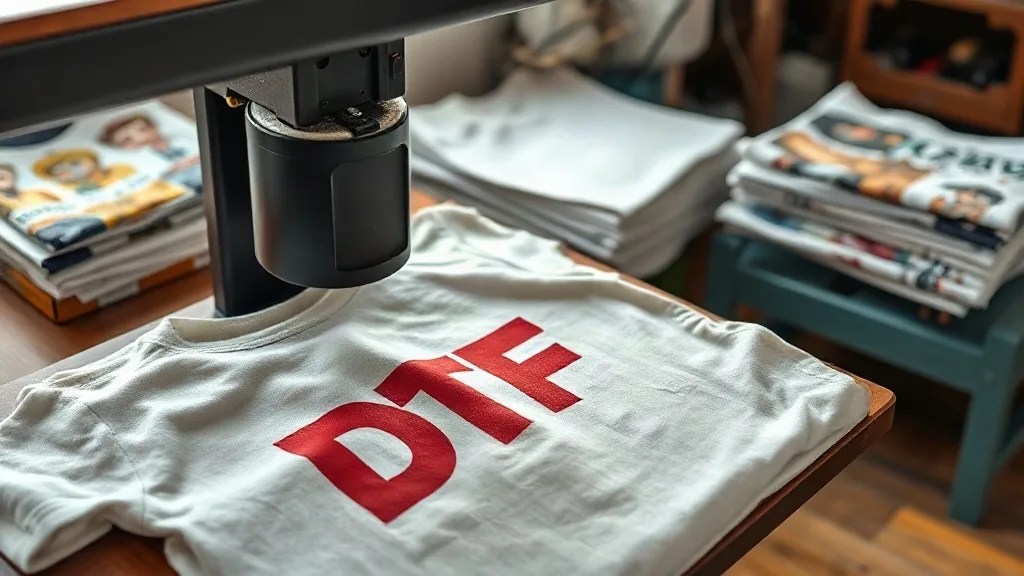
When you first start working with dtf transfers, you quickly realize that achieving a flawless print on every fabric is both an art and a science. Unlike other decoration methods that limit you to certain materials, DTF opens up a world of possibilities, from cotton and polyester to blends and even tough-to-print fabrics like nylon and leather. But with that versatility comes the need to understand how different fabrics interact with the transfer process. This guide dives deep into the practical aspects of DTF printing, sharing insights that can save you time, money, and frustration.
Why Fabric Choice Matters in DTF Printing
DTF transfers are incredibly forgiving, but they are not magic. The fabric you choose affects adhesion, durability, and the final look of the print. For instance, tightly woven cotton provides a smooth surface that yields crisp details, while loose-knit fabrics like burnout or open-weave polyester can cause the transfer to sink in, leading to a muted appearance. Understanding these nuances helps you set realistic expectations and choose the right transfer for each job.
Natural Fibers: Cotton, Canvas, and More
Cotton and cotton blends are the bread and butter of DTF printing. The adhesive powder used in DTF bonds well with natural fibers, creating a strong hold that withstands repeated washing. However, pre-treatment is crucial: washing the garment to remove sizing or fabric softeners ensures the transfer adheres properly. For canvas bags or heavy cotton totes, you may need to adjust press settings to accommodate the thicker material, increasing pressure and dwell time slightly.
Synthetic Fabrics: Polyester and Nylon
Polyester is where DTF truly shines, especially for sportswear and jerseys. The key is managing heat: polyester can scorch or shrink if the press is too hot. Use a lower temperature (around 300°F) and a shorter press time to avoid damaging the fabric. Nylon, on the other hand, requires a bit more care because its slick surface can make adhesion tricky. A light pre-press to remove moisture and a slightly longer cooling period after transfer help the bond set properly.
Specialty Fabrics: Leather, Denim, and More
DTF can even be applied to leather and denim, but these materials demand a gentle touch. Leather can warp or discolor under high heat, so use a low temperature and a protective sheet between the press and the transfer. Denim's textured surface may require extra pressure to ensure the transfer reaches into the weave. Always test on a scrap piece first to dial in the settings.
Step-by-Step DTF Application for Perfect Results
Even with the right fabric, application technique determines success. Here is a streamlined process that works across most materials:
- Preheat the garment: Press for 5-10 seconds to remove moisture and wrinkles. This step is often overlooked but is critical for consistent adhesion.
- Position the transfer: Place the DTF film with the printed side down onto the fabric. Use heat-resistant tape if needed to keep it in place.
- Press with medium pressure: Set your press to 300-325°F (150-160°C) and press for 10-15 seconds. The exact time depends on the fabric thickness; thinner fabrics need less time.
- Peel the film: Wait a few seconds for the transfer to cool slightly, then peel the film in a smooth, steady motion. Peeling while hot can cause the design to stretch or distort.
- Post-press for durability: Cover the design with a Teflon sheet or parchment paper and press again for 5-10 seconds. This final press ensures the powder melts completely and embeds into the fabric.
Following these steps consistently yields professional-looking results that hold up wash after wash.
Troubleshooting Common DTF Issues
Even experienced printers encounter problems. Here are solutions to the most frequent issues:
- Transfer not adhering: Check pressure and temperature. Insufficient pressure or too low a temperature prevents proper bonding. Also, ensure the fabric is clean and dry.
- Design cracking after washing: This usually stems from incomplete powder melting. Increase post-press time or temperature slightly. Using a quality powder and storing transfers properly also helps.
- Color fading: Some fabrics, especially those with heavy dyes, can cause sublimation of the transfer ink. Pre-washing the garment can mitigate this. Also, avoid over-stretching the print during application.
- Film difficult to peel: Let the transfer cool completely before peeling. If it still sticks, the press time may have been too long or the temperature too high, causing the film to bond too aggressively.
Choosing the Right DTF Supplies
The quality of your dtf supplies directly impacts your output. Not all films and powders are created equal. Look for films with a consistent coating that releases cleanly and powders with a fine mesh size for smooth, detailed prints. Inexpensive supplies might save a few cents per sheet but can cost you in wasted time and dissatisfied customers. Investing in reputable brands pays off in reliability and print quality.
Scaling Your DTF Operation
As your order volume grows, efficiency becomes paramount. Gangsheets allow you to maximize each transfer by arranging multiple designs on a single sheet. This not only reduces waste but also cuts down on production time. When preparing a gangsheet, nest designs closely while leaving enough space for clean cuts. Using a dtf transfers near me service can also be a smart move if you need to outsource large runs or want to focus on other aspects of your business. Local suppliers often provide faster turnaround and personalized support, which can be invaluable when deadlines loom.
Frequently Asked Questions
Can I use DTF transfers on dark-colored fabrics?
Absolutely. DTF transfers include a white ink layer that acts as a base, allowing vibrant colors to pop on dark backgrounds. This is one of the key advantages over other methods like sublimation, which requires light-colored polyester.
How durable are DTF prints?
When applied correctly, DTF prints can withstand dozens of washes without significant fading or cracking. Proper washing inside-out in cold water and tumble drying on low heat will extend the life of the print.
Do I need a special printer for DTF?
Yes, DTF requires a printer that uses DTF inks and a powder shaker. However, if you don't want to invest in equipment, you can order pre-printed transfers from a supplier and apply them with a heat press.
What is the best temperature for DTF pressing?
Most DTF transfers press well at 300-325°F (150-160°C) for 10-15 seconds. Always refer to the transfer supplier's recommendations, as formulations can vary.
Can I stretch DTF prints?
DTF prints have some stretchability, making them suitable for performance wear. However, excessive stretching can cause the print to crack over time. Choosing the right fabric blend and proper application minimizes this risk.