
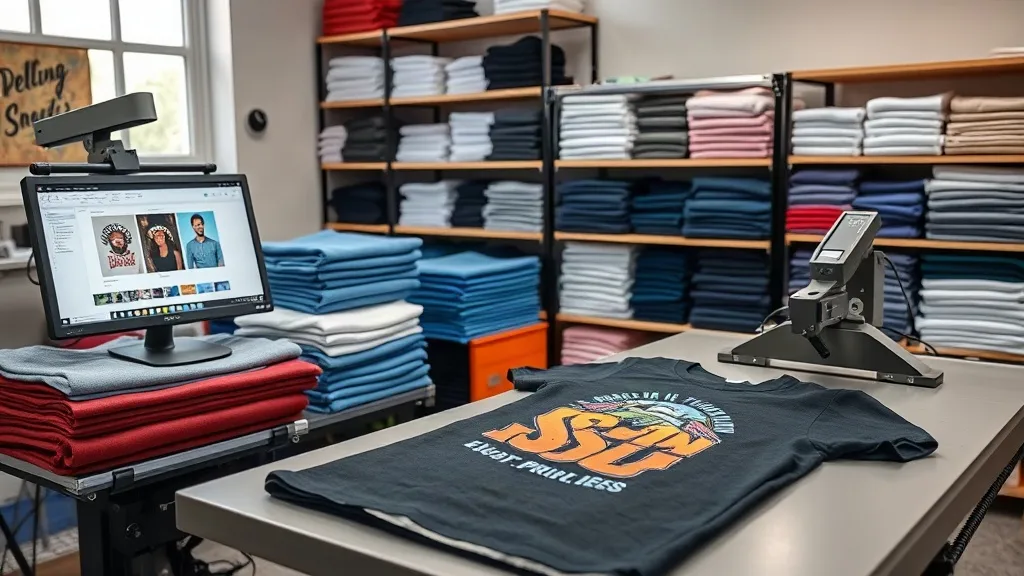
When you run a custom apparel business, every choice you make, from the blanks you stock to the printing method you use, directly affects your bottom line. Two names that keep coming up in conversations among shop owners are shaka wear and smart blanks. Both offer quality products, but they serve slightly different needs. In this article, we'll explore what makes each stand out, how they complement each other, and how you can use them to build a more profitable operation.
Why Blanks Matter More Than You Think
Walk into any successful print shop and you'll notice something: they don't treat blanks as an afterthought. The blank is the foundation of every custom piece. A flimsy tee that shrinks after one wash or a hoodie with uneven stitching can ruin even the most stunning design. Customers might not know the brand of the blank, but they definitely feel the difference in fit, comfort, and durability. That's why seasoned shop owners are picky about their suppliers. They look for consistent sizing, reliable stock levels, and fabrics that take to printing methods like DTF, screen printing, and embroidery without fuss.
Shaka Wear: Streetwear Credibility Meets Wholesale Value
shaka wear has carved out a niche in the streetwear scene, and for good reason. Their blanks are known for a heavyweight feel, relaxed fits, and a certain edge that appeals to younger demographics. If your customers are into skate culture, hip-hop, or just appreciate a tee that feels substantial, Shaka Wear is a strong contender. The brand offers a range of styles, from classic crew necks to hoodies and long sleeves, all designed with the kind of details that make a garment feel premium: reinforced seams, tagless labels, and fabrics that hold their shape.
From a business perspective, Shaka Wear blanks are priced competitively for wholesale buyers. That means you can offer your customers a high perceived value without pricing yourself out of the market. The brand has also built a reputation for consistency, so you're less likely to deal with the frustration of a suddenly changed fit or a fabric that behaves differently from one order to the next.
Where Shaka Wear Shines
- Streetwear and urban designs: The boxy cuts and heavier fabrics are ideal for bold graphics and oversized prints.
- DTF printing: The tight weave provides a smooth surface for DTF transfers, resulting in crisp, vibrant images.
- Durability: These blanks hold up well to repeated washing, which keeps your customers happy and reduces returns.
Smart Blanks: The Versatile Workhorse for Every Order
While Shaka Wear brings attitude, smart blanks brings versatility. This line is all about options. Whether you need a budget-friendly tee for a large corporate order or a soft, ringspun cotton style for a boutique client, Smart Blanks likely has a style to match. The brand covers a wide spectrum of fabrics, weights, and fits, making it a go-to for shops that handle diverse projects.
One of the biggest advantages of Smart Blanks is its consistency across the line. Even as you move from basic tees to premium blends, you can expect reliable sizing and quality. That predictability is a lifesaver when you're managing multiple orders and tight deadlines. Plus, the brand's pricing structure allows for healthy margins, especially on volume orders.
Where Smart Blanks Excel
- Variety: From lightweight tri-blends to heavy fleece, there's a Smart Blank for nearly every application.
- Budget-friendly options: Ideal for promotional products, team uniforms, and large events where cost per unit is critical.
- Printability: These blanks are engineered to work well with a range of decoration methods, including DTF, screen printing, and embroidery.
Pairing Shaka Wear and Smart Blanks for Maximum Profit
So how do these two brands work together? The key is segmentation. By stocking both shaka wear and smart blanks, you can cater to different customer segments without spreading yourself too thin. For example, you might use Shaka Wear for your premium streetwear line and Smart Blanks for your everyday essentials or bulk orders. This strategy allows you to offer a tiered pricing structure: customers who want the heavyweight, fashion-forward look will happily pay a little more for Shaka Wear, while price-sensitive clients will appreciate the value of Smart Blanks.
Another approach is to use Smart Blanks as your testing ground for new designs. Because the cost per unit is lower, you can afford to experiment with new graphics or printing techniques without risking much capital. Once a design proves popular, you can move it to Shaka Wear blanks for a premium version. This kind of agile product development is what sets successful shops apart from the competition.
Maximizing Print Quality on Both Blanks
No matter which blank you choose, the printing method matters. DTF transfers have become a favorite for many shops because they work well on a variety of fabrics, including cotton, polyester, and blends. To get the best results on Shaka Wear and Smart Blanks, follow these tips:
- Pre-press the garment: This removes moisture and wrinkles, ensuring the transfer adheres smoothly.
- Use the right temperature and pressure: Each fabric may require slight adjustments. Always do a test press on a scrap piece.
- Peel with care: For DTF, wait until the transfer is cool before peeling for a matte finish, or peel hot for a glossy look.
- Post-press: A final press with a Teflon sheet or parchment paper protects the design and improves durability.
Both Shaka Wear and Smart Blanks have fabrics that are receptive to DTF, but it's always smart to keep a log of settings that work best for each style. Over time, you'll build a reference that saves you time and reduces waste.
Inventory Management: Balancing Two Brands
Stocking two brands might seem like more work, but it can actually simplify your inventory if you approach it strategically. Start by analyzing your sales data to identify your best-selling sizes and colors. For Shaka Wear, focus on the core streetwear colors: black, white, heather grey, and maybe a few seasonal shades. For Smart Blanks, you can afford to carry a wider range because the lower cost per unit means less capital tied up in inventory. Consider using a just-in-time ordering system for the slower-moving colors and keep deep stock on the fast movers. Many suppliers, including those linked above, offer quick turnaround, so you can replenish as needed without committing to large volumes upfront.
Marketing Your Dual-Brand Strategy
Your customers don't need to know the brand names, but they will notice the difference in quality and price. Use that to your advantage. Create two distinct lines: one that emphasizes premium materials and streetwear aesthetics (featuring Shaka Wear), and another that highlights value and versatility (featuring Smart Blanks). Market the premium line to younger, fashion-conscious buyers through social media and influencer collaborations. Market the value line to local businesses, schools, and organizations looking for affordable custom apparel. By clearly differentiating your offerings, you can attract a broader customer base and increase your average order value.
Real-World Example: A Small Shop's Success
Consider a small print shop in a mid-sized city that specializes in custom tees for local bands and small businesses. By stocking Shaka Wear for band merch (the heavyweight tees appeal to the punk and metal crowd) and Smart Blanks for corporate clients (budget-friendly and professional), the shop was able to double its revenue in a year. The owner noted that the key was not to compromise on quality for either segment. Shaka Wear gave the band merch a premium feel that fans were willing to pay for, while Smart Blanks allowed the shop to win large orders from local companies without sacrificing margin. The shop also used Smart Blanks for sample prints, which reduced waste and allowed quick turnarounds for client approvals.
Frequently Asked Questions
What is the difference between Shaka Wear and Smart Blanks?
Shaka Wear focuses on heavyweight, streetwear-inspired blanks with a premium feel, while Smart Blanks offers a wide range of versatile, budget-friendly options suitable for various applications. Both are quality choices but cater to different customer segments.
Can I use DTF printing on both Shaka Wear and Smart Blanks?
Yes, both brands produce blanks that work well with DTF transfers. However, always test press settings on a scrap piece first, as fabric composition may vary slightly between styles.
How do I decide which blank to use for a specific order?
Consider the customer's budget, the intended use of the garment, and the desired look. For premium streetwear or retail-quality pieces, Shaka Wear is a strong choice. For promotional items, uniforms, or cost-sensitive projects, Smart Blanks offers excellent value.
Where can I buy Shaka Wear and Smart Blanks?
You can find both brands at reputable wholesale suppliers like the one linked in this article. Look for suppliers that offer consistent stock, fast shipping, and competitive pricing.
Are these blanks suitable for screen printing and embroidery?
Absolutely. Both Shaka Wear and Smart Blanks are designed to be decoration-friendly. The tight weave of Shaka Wear holds fine details well, while Smart Blanks' variety means you can choose the right fabric for the method.
Building a successful custom apparel business comes down to making smart choices about your materials and your market. By incorporating shaka wear and smart blanks into your lineup, you can offer your customers the best of both worlds: premium quality and everyday value. Start small, test what works for your audience, and adjust as you go. With the right blanks and a bit of strategic thinking, you'll be well on your way to higher profits and happier customers.