
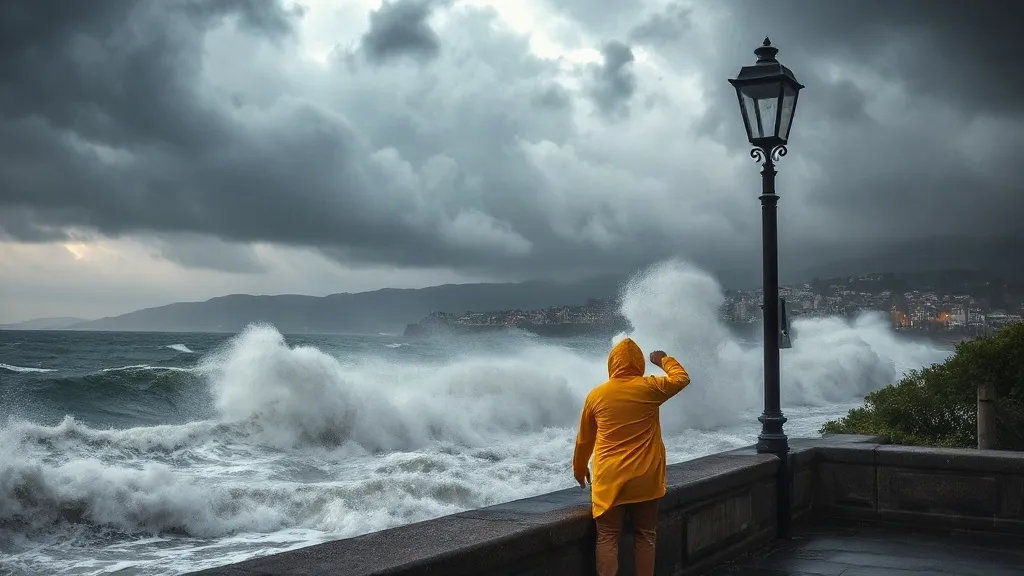
Britain woke up to a familiar but no less unsettling scene this morning as Storm Austen swept across the country, unleashing gusts of up to 80mph and heavy rain that brought widespread disruption. Thousands of homes are without electricity, schools have shut their doors, and both rail and air travel have been thrown into disarray. For many, it feels like déjà vu: another named storm, another round of cancellations, another day of checking the Met Office app with a sense of dread.
But beyond the immediate headlines, Storm Austen offers a stark reminder of how vulnerable our infrastructure remains to extreme weather. As the clean-up begins, here's what we know so far, what it means for you, and how to navigate the next 24 to 48 hours.
The scale of the disruption
According to early reports, around 9,000 homes are without power across parts of the country, with energy crews struggling to reach fault sites due to fallen trees and flooded roads. The worst-hit areas appear to be coastal regions and exposed uplands, where the wind has been ferocious. In some places, local authorities have opened rest centres for residents who face a prolonged outage.
Schools in several counties have been closed, either because of power cuts, unsafe travel conditions, or damage to buildings. Many parents found themselves scrambling for childcare at short notice, a situation that has become all too familiar in recent winters. Meanwhile, rail operators have cancelled services on multiple lines, with speed restrictions in place on others. Airports have also been affected, with flights grounded or diverted due to high winds.
The picture is still evolving, but it's clear that Storm Austen has packed a punch. The combination of strong winds and saturated ground has increased the risk of falling trees, which can bring down power lines and block roads. Emergency services have urged people to avoid unnecessary travel and to report any hazards.
Why this storm is different
Storms are nothing new for the UK, but the intensity and frequency of recent events have raised eyebrows. Storm Austen follows a pattern of named storms that seem to arrive in quick succession, each one testing the resilience of our networks. While 80mph gusts are not unprecedented, the timing and duration of this event have amplified its impact. The storm coincided with the morning commute, catching many off guard.
Meteorologists had been tracking the system for days, issuing amber warnings for wind and rain. But the precise path and strength remained uncertain until the last moment, which is typical for such dynamic weather systems. The result was a scramble to prepare, with utility companies pre-positioning engineers and local councils readying gritters and emergency teams.
What sets Storm Austen apart is the breadth of its impact. It's not just one region suffering; the disruption stretches from the south coast to northern Scotland. This widespread effect puts pressure on mutual aid arrangements, as hard-pressed crews cannot easily be redeployed from unaffected areas.
Power cuts: what to do and what to expect
If you're one of the thousands without power, the first thing to know is that you're not alone, and help is on the way. Energy networks have activated their incident management teams and are working to restore supply as quickly as safety allows. However, with wind speeds still high in some areas, engineers may not be able to use cherry pickers or work at height until conditions improve.
Here are some practical steps to take if your power goes out:
- Report the outage to your distribution network operator (DNO) via phone or their website. This helps them pinpoint the problem and prioritise repairs.
- Keep warm safely: layer up, use blankets, and if you use a portable heater, ensure it's well ventilated and never leave it unattended.
- Preserve food: keep fridge and freezer doors closed as much as possible. A full freezer can keep food safe for up to 48 hours if unopened.
- Charge devices while you can, and consider a battery pack or car charger for essential communications.
- Check on vulnerable neighbours who may need extra help, especially if they rely on medical equipment that requires electricity.
For those with electric heating, the loss of power can be particularly tough. Local authorities and charities may be able to offer support, so don't hesitate to reach out if you're struggling.
Travel chaos: rail, road, and air
The transport network has taken a serious hit. Rail companies have cancelled numerous services, particularly on routes with known vulnerability to high winds, such as coastal lines and those with exposed embankments. Some operators are running reduced timetables and advise passengers to check before they travel. Replacement bus services may be unavailable due to road closures.
On the roads, high-sided vehicles are at risk of being blown over, and many bridges have restrictions in place. Drivers are urged to slow down and be prepared for debris. Flooding is also a concern, with surface water making some routes impassable. Never attempt to drive through floodwater; it's often deeper than it looks and can hide serious hazards.
At airports, the story is similar. Flights have been cancelled or delayed, and passengers are advised to contact their airline before heading to the airport. Wind shear and crosswinds can make landing and take-off hazardous, so safety comes first. Some airports have warned of potential knock-on delays throughout the day.
The bigger picture: resilience and preparation
Storm Austen is a reminder that our infrastructure is increasingly under strain from extreme weather. Climate change is expected to bring more frequent and intense storms, and while no single event can be directly attributed to climate change, the trend is clear. Investment in resilience, from undergrounding power lines to improving drainage, is essential. But such projects take time and money.
In the meantime, individual preparedness matters. Having a basic emergency kit, knowing how to turn off your gas and water, and staying informed through official channels can make a real difference. Communities that look out for each other tend to fare better, so check on those around you.
The response to Storm Austen will also be scrutinised. Were warnings timely and clear? Did utility companies communicate effectively? Were resources deployed where they were most needed? These are questions that will be asked in the coming days, and lessons will need to be learned.
What happens next?
The storm is expected to move away later today, but its effects will linger. Winds will gradually ease, but further rain is forecast, which could exacerbate flooding. Power restoration will continue, but some homes may be without electricity for several days, especially in remote areas. Schools may remain closed tomorrow if buildings are damaged or access is unsafe.
Keep an eye on local news and official social media accounts for updates. If you've been affected, document any damage for insurance purposes and take photos before you start cleaning up. And remember, while storms are disruptive, they also bring out the best in communities. Neighbours helping neighbours, volunteers supporting emergency services, and a collective sigh of relief when the sun finally returns.
Frequently asked questions
How long will it take for my power to come back?
It depends on the extent of the damage and local conditions. Energy companies aim to restore power to the majority of customers within 24 to 48 hours, but some isolated or severely damaged areas may take longer. Check your DNO's website for estimated restoration times.
Are schools closed again tomorrow?
Many schools that closed today will assess the situation in the morning. Check your school's website or local authority announcements for the latest information. If your child's school is open but you feel it's unsafe to travel, follow the school's guidance on absences.
Can I travel by train or plane?
Services are running but with delays and cancellations. Always check with your operator before travelling. If your flight is cancelled, you're entitled to either a refund or rebooking, and possibly compensation depending on the circumstances.
What should I do if I see a fallen power line?
Stay well clear and call 105 (the power cut helpline in the UK) immediately. Do not attempt to move it or touch anything it's in contact with. Keep children and pets away.
Is it safe to use a generator indoors?
Never use a generator indoors, in a garage, or in any enclosed space. Generators produce carbon monoxide, which is odourless and can be fatal. Use them outdoors, well away from windows and doors.