
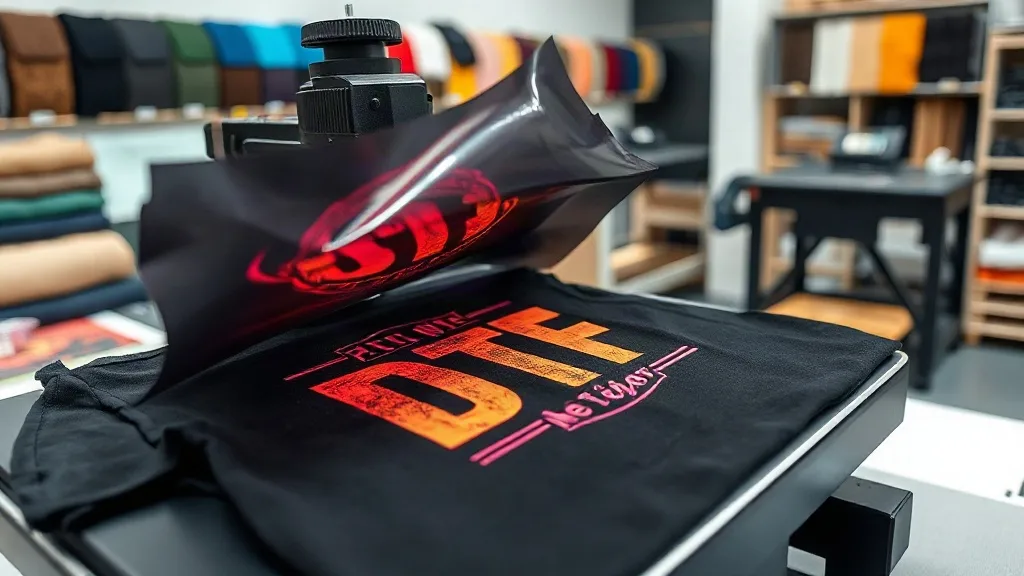
If you've been in the custom apparel game for any length of time, you've likely heard the buzz around dtf transfers. This innovative printing method has taken the industry by storm, and for good reason. Unlike traditional techniques that often fall short on complex designs or unusual fabrics, DTF (Direct-to-Film) printing delivers vibrant, durable results on virtually any material. Whether you're a seasoned pro or just starting out, understanding DTF transfers can open up a world of creative possibilities and help you meet the growing demand for high-quality custom gear.
What Are DTF Transfers and Why Are They a Game-Changer?
At its core, DTF printing is a digital process that involves printing your design onto a special film, applying a powder adhesive, and then heat-pressing it onto the fabric. This method eliminates the need for pre-treatment or weeding, making it faster and more cost-effective than vinyl or screen printing. But the real magic lies in the results: DTF transfers produce incredibly sharp details, smooth gradients, and photo-realistic images that other methods struggle to achieve. Plus, they adhere beautifully to cotton, polyester, blends, and even tough materials like canvas and nylon.
The Science Behind the Print
The DTF process uses water-based inks that are printed onto a PET film. While the ink is still wet, a hot-melt adhesive powder is applied and then cured. When you heat-press the transfer onto fabric, the adhesive melts and bonds with the fibers, encapsulating the ink. This creates a strong, flexible bond that resists cracking, peeling, and fading. Because the ink sits on top of the fabric rather than being absorbed into it, colors remain vivid wash after wash.
Key Benefits of DTF Transfers
So why should you consider DTF for your next project? Here are some compelling reasons:
- Unmatched Versatility: DTF works on almost any fabric, including 100% cotton, polyester, blends, and even treated nylon. You're no longer limited to certain materials.
- Vibrant, Detailed Prints: Achieve stunning full-color designs with fine lines, gradients, and photographic detail that other methods can't replicate.
- Durability: When applied correctly, DTF prints withstand repeated washing without cracking, fading, or peeling.
- Cost-Effective for Short Runs: No screens or setup fees, making DTF ideal for small batches and one-offs.
- No Weeding Required: Say goodbye to the tedious process of cutting and weeding vinyl. DTF saves time and reduces waste.
These advantages make dtf a go-to solution for custom t-shirts, hoodies, tote bags, and more. And with the rise of online marketplaces, finding dtf transfers near me has never been easier.
How to Apply DTF Transfers: A Step-by-Step Guide
Getting started with DTF is straightforward, but following the correct procedure is crucial for a professional finish. Here's a simple guide to ensure your transfers look great and last long.
1. Prepare Your Workspace and Materials
You'll need a heat press, your DTF transfer, the garment, and a protective sheet (like parchment paper or a Teflon sheet). Ensure your heat press is preheated to the recommended temperature, typically around 300°F to 325°F (150°C to 160°C).
2. Preheat the Garment
Pre-pressing the garment for a few seconds removes moisture and wrinkles, creating a smooth surface for the transfer. This step also helps the adhesive bond properly.
3. Position the Transfer
Place the DTF transfer onto the garment with the printed side facing up. The adhesive side should be in contact with the fabric. Use heat-resistant tape if needed to hold it in place.
4. Press the Transfer
Apply medium to heavy pressure for 10-15 seconds. The exact time and temperature may vary depending on the transfer supplier, so always check the instructions. Avoid using too much pressure, as it can cause the image to spread.
5. Peel the Film
Wait for the transfer to cool completely before peeling off the film. Peeling while hot can distort the design. Once cool, peel in a smooth, steady motion.
6. Post-Press for Durability
For added durability, cover the design with a protective sheet and press again for 5-10 seconds. This ensures the adhesive fully sets and the print withstands washing.
Choosing the Right DTF Transfers for Your Project
Not all DTF transfers are created equal. The quality of the film, ink, and adhesive powder significantly affects the final outcome. When sourcing DTF transfers, consider the following factors:
- Ink Quality: Look for transfers that use high-quality, water-based inks for vibrant colors and smooth gradients.
- Adhesive Powder: A fine, even powder coating ensures a strong bond and prevents cracking.
- Film Thickness: Thinner films conform better to fabrics and feel softer to the touch.
- Supplier Reputation: Choose a reputable supplier with positive reviews and consistent quality. Many suppliers offer sample packs, so you can test before committing to a large order.
If you're searching for reliable dtf transfers near me, look no further than Harwin DTF. They offer premium transfers with fast turnaround and exceptional customer service.
Common Applications of DTF Transfers
DTF transfers are incredibly versatile and can be used for a wide range of products. Here are some popular applications:
- Custom Apparel: T-shirts, hoodies, polo shirts, and more. Perfect for team uniforms, event merchandise, and personal designs.
- Accessories: Tote bags, hats, aprons, and even shoes. DTF adheres well to these surfaces, adding a professional touch.
- Home Decor: Throw pillows, canvas prints, and fabric banners. Create custom decor items that reflect your style.
- Promotional Items: Branded merchandise for businesses, such as company logos on workwear or giveaways.
The possibilities are endless. With DTF, you can turn virtually any fabric item into a personalized masterpiece.
DTF vs. Other Printing Methods
How does DTF stack up against other popular printing techniques? Let's compare:
- DTF vs. Screen Printing: Screen printing is cost-effective for large orders but requires setup and is limited to certain fabrics. DTF excels in short runs and complex designs on a variety of materials.
- DTF vs. DTG (Direct-to-Garment): DTG requires pre-treatment and works best on 100% cotton. DTF is more versatile and often produces more vibrant colors on dark fabrics.
- DTF vs. Vinyl: Vinyl is great for simple designs but can't handle intricate details or gradients. DTF handles all of that with ease and without weeding.
- DTF vs. Sublimation: Sublimation only works on polyester and light-colored fabrics. DTF works on any color and fabric type, making it far more flexible.
Each method has its strengths, but DTF's versatility and quality make it a top choice for many applications.
Tips for Perfect DTF Transfers
To ensure your DTF transfers look flawless and last, keep these tips in mind:
- Store Transfers Properly: Keep unused transfers in a cool, dry place away from direct sunlight. Avoid folding or creasing the film.
- Test on Scrap Fabric: Before pressing onto a final garment, test on a similar fabric to dial in the perfect temperature and pressure.
- Use the Right Pressure: Too little pressure results in poor adhesion; too much causes the image to spread. Medium to heavy pressure is usually ideal.
- Cool Peel: Always wait for the transfer to cool completely before peeling. This prevents distortion and ensures a clean edge.
- Wash Inside Out: To prolong the life of your DTF prints, wash garments inside out in cold water and tumble dry low.
Following these simple guidelines will help you achieve professional results every time.
Frequently Asked Questions About DTF Transfers
How long do DTF transfers last?
When applied correctly and cared for properly, DTF transfers can last as long as the garment itself. They resist cracking, fading, and peeling through numerous washes. To maximize longevity, avoid ironing directly on the print and follow the washing instructions.
Can I use DTF transfers on dark fabrics?
Absolutely! DTF transfers work beautifully on dark fabrics because the white ink layer in the transfer provides a bright base for the colors to pop. This is a major advantage over DTG printing, which often struggles with dark shirts.
What is the difference between DTF and DTG?
DTF (Direct-to-Film) involves printing on a film and transferring to fabric, while DTG (Direct-to-Garment) prints directly onto the fabric. DTF is more versatile across fabric types and colors, while DTG is typically limited to cotton and requires pre-treatment. DTF also tends to produce more vibrant results on dark materials.
Do I need special equipment for DTF transfers?
You only need a heat press to apply DTF transfers. No special inks, powders, or ventilation are required for application. However, if you plan to create your own transfers, you'll need a DTF printer, which is a larger investment.
Where can I buy high-quality DTF transfers?
For top-notch DTF transfers, check out Harwin DTF. They offer a wide selection of transfers with vibrant colors and durable adhesion. With fast shipping and excellent customer support, they are a trusted source for all your DTF needs.
DTF transfers are transforming the custom apparel industry by making it easier than ever to produce stunning, long-lasting prints on any fabric. Whether you're a hobbyist or a business owner, embracing DTF technology can elevate your creations and delight your customers. So why wait? Explore the world of DTF transfers today and experience the difference for yourself.