
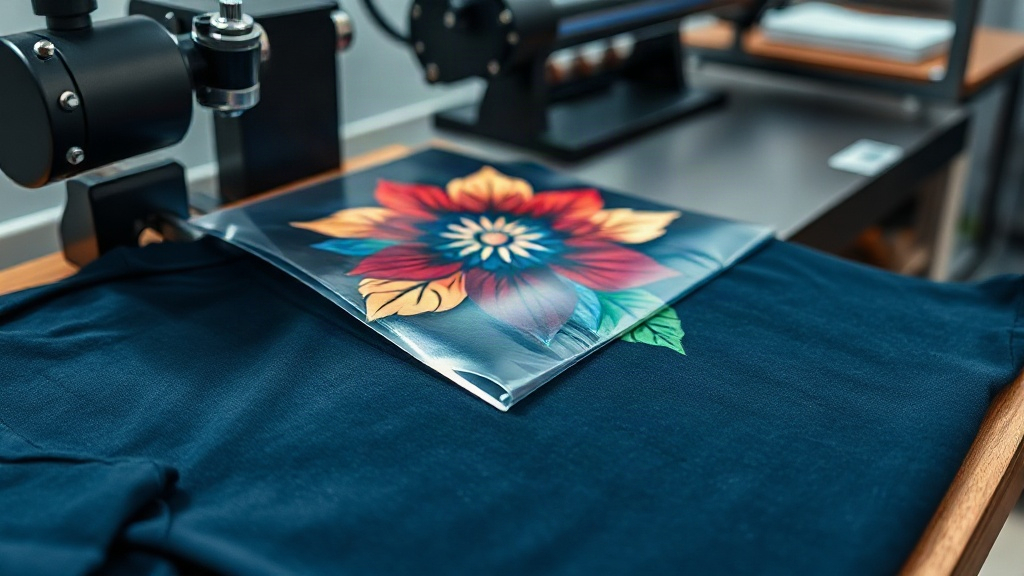
If you're in the custom apparel or printing business, you've likely heard the buzz around DTF transfers. This method has taken the industry by storm, offering a versatile and durable solution for creating high-quality prints on a wide range of fabrics. But what exactly are DTF transfers, and why are they becoming the go-to choice for everyone from small Etsy sellers to large-scale print shops? In this guide, we'll break down everything you need to know about DTF transfers, how they compare to other methods, and how to find the best DTF transfers near me for your projects. Whether you're a seasoned pro or just starting out, this article will give you the practical insights you need to make informed decisions and elevate your printing game.
What Are DTF Transfers?
DTF stands for "Direct to Film." In simple terms, it's a printing process where your design is first printed onto a special PET film, then coated with a hot-melt adhesive powder, and finally cured. The result is a transfer sheet that can be heat-pressed onto almost any fabric, including cotton, polyester, blends, and even some synthetics. Unlike traditional methods like screen printing or vinyl cutting, DTF doesn't require pre-treatment of the garment or weeding of excess material. The process produces vibrant, detailed, and stretchable prints that hold up well to repeated washing.
The growing popularity of DTF transfers comes from their ability to handle complex, full-color designs with gradients and fine details that would be challenging or costly with other methods. For small businesses and hobbyists, it opens the door to professional-grade custom apparel without the need for expensive equipment or large minimum orders. You can order custom transfers online or make them in-house with a DTF printer, giving you flexibility and control over your production.
How DTF Transfers Work: A Step-by-Step Overview
Understanding the process helps you appreciate the quality and potential of DTF printing. Here's a simplified breakdown:
- Design Preparation: Your artwork is created or uploaded in a digital format. High-resolution PNG files with transparent backgrounds are ideal for best results.
- Printing: The design is printed onto a PET film using a specialized DTF printer with textile inks. The printer lays down white ink as a base layer, followed by the CMYK colors. This white underbase ensures vibrancy on dark fabrics.
- Adhesive Application: While the ink is still wet, a hot-melt adhesive powder is evenly sprinkled over the printed film. The powder sticks only to the wet ink.
- Curing: The film is passed through a curing oven or heat tunnel to melt the powder and bond it to the ink. This creates a stable transfer sheet.
- Transferring: The cured film is placed on the garment, and a heat press applies high temperature and pressure for a specific time. After cooling, the film is peeled away, leaving the design embedded in the fabric.
This process allows for precise color matching, soft hand feel, and excellent durability. Because the adhesive is applied only to the printed areas, the transfer is thin and flexible, unlike some thick vinyl applications.
Why Choose DTF Transfers Over Other Methods?
If you're weighing your options, here are some compelling reasons why DTF transfers might be the right fit for your business or hobby:
- Versatility: DTF works on a wide variety of fabrics, including cotton, polyester, blends, denim, and even leather or nylon. You don't need separate processes for light and dark garments.
- No Weeding or Masking: Unlike vinyl, there's no tedious weeding of excess material. The printed film only has ink where your design is, so you save time and reduce waste.
- Full-Color and Photographic Quality: DTF excels at reproducing intricate details, small text, gradients, and photographic images. Screen printing often struggles with these without expensive color separations.
- Durability: Properly applied DTF prints are highly resistant to cracking, peeling, and fading, even after many washes. They also stretch well with the fabric, making them ideal for activewear.
- Cost-Effective for Small Runs: Because there's no need for screens or setup fees, DTF is economical for one-off custom shirts or small batches. You can order as few as one transfer.
- Soft Hand Feel: The thin adhesive layer results in a print that feels soft to the touch, similar to screen printing but without the heavy ink deposit.
For many print shops, adding DTF transfers to their services has expanded their capabilities and attracted new customers who need fast turnaround and high-quality custom apparel.
Finding Reliable DTF Transfers Near Me
When you're ready to source your transfers, you might search for "DTF transfers near me" to find local suppliers or print shops. While online ordering has become the norm due to convenience and competitive pricing, local options can offer benefits like faster shipping, in-person support, and the ability to see samples before committing. Here are some tips for finding a dependable supplier, whether local or online:
- Check Reviews and Portfolios: Look for suppliers with positive customer feedback and examples of their work. This gives you an idea of their print quality and consistency.
- Ask About Materials: Inquire about the type of film and adhesive powder they use. High-quality materials directly impact the final result's durability and feel.
- Request Samples: Many reputable suppliers offer sample packs or small test orders. This is a great way to evaluate color accuracy, washability, and overall quality before placing a large order.
- Consider Turnaround Time: If you have tight deadlines, make sure the supplier can meet your schedule. Some offer expedited production and shipping options.
- Look for Customization Options: Can they handle gang sheets (multiple designs on one sheet) to save you money? Do they offer design assistance if needed?
If you can't find a suitable local provider, don't worry. Many online companies specialize in DTF transfers and ship nationwide, often with quick turnaround. The key is to establish a relationship with a supplier whose quality you trust, so you can consistently deliver excellent products to your customers.
Tips for Applying DTF Transfers Successfully
Even the best transfer will fail if not applied correctly. Follow these practical tips to ensure flawless results every time:
- Use a Quality Heat Press: A reliable heat press with accurate temperature control and even pressure is essential. A household iron is not recommended because it cannot provide consistent heat and pressure.
- Set the Right Parameters: Typical settings are around 300-320°F (150-160°C) for 10-15 seconds at medium to high pressure. Always refer to the transfer supplier's instructions, as different films may require slight adjustments.
- Pre-Press the Garment: Press the garment for 2-3 seconds to remove moisture and wrinkles. This ensures better adhesion.
- Position Carefully: Place the transfer with the printed side down onto the fabric. Use heat-resistant tape to secure it if necessary to prevent shifting.
- Peel Correctly: Most DTF transfers are hot peel or warm peel, meaning you can remove the film immediately or after a few seconds. Follow the supplier's recommendation. Peel smoothly and steadily to avoid lifting the design.
- Post-Press for Durability: After peeling, cover the design with parchment paper or a Teflon sheet and press again for a few seconds. This helps set the adhesive and improves washability.
By mastering these techniques, you'll achieve professional-looking results that satisfy your customers and reduce waste due to misapplication.
Common Misconceptions About DTF Transfers
As with any popular technology, there are some myths floating around. Let's clear up a few:
- "DTF is only for dark fabrics." While it works great on dark garments thanks to the white underbase, it's equally effective on light fabrics. You may not need the white layer for light garments, which can result in an even softer feel.
- "DTF prints feel rubbery." The feel depends on the adhesive powder and application. When done correctly, the print is soft and flexible. Some lower-quality transfers may feel thicker, so choose your supplier wisely.
- "DTF is the same as DTG." DTG (Direct to Garment) prints directly onto the fabric, while DTF prints onto film and then transfers. DTF is more versatile for different fabric types and doesn't require pre-treatment.
- "You need an expensive printer to use DTF transfers." Not at all. You can order custom transfers from a supplier and apply them with a standard heat press. This makes DTF accessible to small businesses without a large investment.
Understanding these facts helps you make better decisions and avoid common pitfalls.
Creative Ways to Use DTF Transfers
Beyond t-shirts, DTF transfers open up a world of creative possibilities. Here are some ideas to inspire your next project:
- Custom Apparel: T-shirts, hoodies, sweatshirts, and tank tops for brands, events, or personal use.
- Accessories: Tote bags, hats, aprons, and even shoes can be customized with DTF prints.
- Home Decor: Pillowcases, blankets, and canvas art can feature your designs.
- Team Uniforms: Sports jerseys, spirit wear, and corporate apparel with logos and names.
- Promotional Items: Giveaways, merchandise, and limited-edition products for marketing campaigns.
The only limit is your imagination. Because DTF is so versatile, you can expand your product offerings and attract a wider customer base.
Frequently Asked Questions
How long do DTF transfers last?
With proper application and care, DTF prints can last for 50 or more washes without significant fading or cracking. The durability depends on the quality of the transfer, the fabric, and how the garment is washed and dried. Washing inside out in cold water and avoiding high heat drying will extend the life of the print.
Can I use DTF transfers on any fabric?
DTF transfers work on most fabrics, including cotton, polyester, blends, and some synthetics like nylon. However, they may not adhere well to highly textured or waterproof fabrics. Always test on a sample if you're unsure. For best results, avoid fabrics with a loose weave or heavy silicone coating.
Do I need a special printer to make DTF transfers?
Yes, to produce DTF transfers in-house, you need a DTF printer, specialized inks, PET film, and adhesive powder. This setup can be costly. Alternatively, you can order custom transfers from a supplier and only invest in a heat press for application. Many businesses start by outsourcing and later bring production in-house as volume grows.
Are DTF transfers safe for children's clothing?
Yes, when using high-quality, CPSIA-compliant materials. Reputable suppliers ensure their inks and adhesives meet safety standards. If you're selling children's apparel, always verify that your transfer supplier provides compliant products and keep documentation for your records.
Can I layer DTF transfers or combine them with other methods?
Absolutely. You can layer multiple DTF transfers to create complex designs, or combine them with screen printing, embroidery, or vinyl for unique effects. Just be mindful of heat press settings to avoid damaging previously applied elements.
In conclusion, DTF transfers are a game-changer for anyone involved in custom printing. They offer unmatched versatility, quality, and ease of use. Whether you're a small business owner looking to expand your services or a hobbyist wanting professional results, exploring DTF transfers near me or online can open up new opportunities. With the right supplier and application techniques, you'll be able to produce stunning, durable prints that keep your customers coming back for more.