
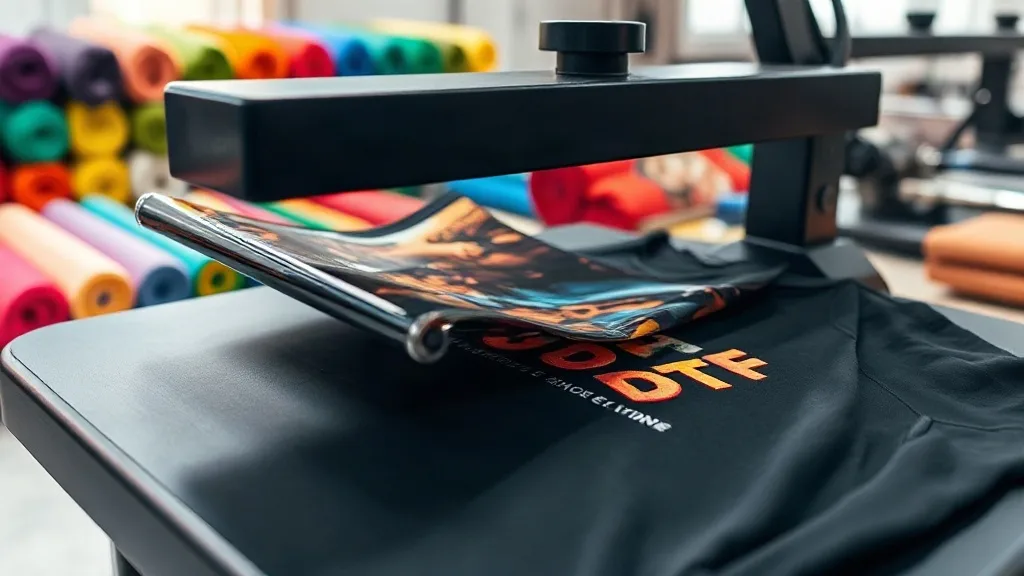
When it comes to custom apparel, achieving vibrant, long-lasting prints on a variety of fabrics used to be a challenge. Traditional methods like screen printing and heat transfer vinyl (HTV) each have their limitations, from color constraints to fabric restrictions. Enter dtf transfers, a game-changing technology that has taken the garment decoration world by storm. Whether you're a small business owner, a hobbyist, or a large-scale producer, understanding DTF transfers can unlock new possibilities for your creative projects.
What Are DTF Transfers?
DTF stands for Direct-to-Film, a printing method where your design is printed onto a special film, coated with a heat-activated adhesive powder, and then transferred onto fabric using a heat press. Unlike DTF (Direct-to-Garment) printing, which prints directly onto the garment, DTF transfers allow you to print on a wide range of materials, including cotton, polyester, blends, and even nylon. The process involves creating a digital print on a PET film, applying a thermoplastic polyurethane (TPU) powder, and curing it. The result is a flexible, stretchable, and durable transfer that can be applied to almost any fabric.
The DTF Printing Process Step by Step
Understanding the DTF process helps you appreciate its versatility and troubleshoot any issues. Here's a breakdown of the steps:
- Design Preparation: Your artwork is prepared digitally, ensuring it's mirrored (if necessary) and sized appropriately. White ink is typically used as a base to make colors pop on dark fabrics.
- Printing: A specialized DTF printer prints the design onto a sheet of PET film using water-based pigment inks. The printer lays down a layer of white ink followed by color inks.
- Powder Application: While the ink is still wet, TPU adhesive powder is applied evenly over the printed area. The excess powder is shaken off.
- Curing: The film with powder is heated to melt the powder, creating a adhesive layer that will bond with fabric.
- Transfer: The cured film is placed on the fabric and pressed with a heat press at a specific temperature and pressure for a set time. After cooling, the film is peeled away, leaving the design bonded to the fabric.
Why Choose DTF Transfers?
DTF transfers offer several advantages over other decoration methods. Here are the key benefits that make them a favorite among professionals and hobbyists alike.
Vibrant Colors and Fine Details
DTF printing excels at reproducing intricate designs with gradients, photographic images, and fine lines. Because it uses CMYK plus white ink, it can achieve a wide color gamut and sharp details that rival screen printing. The white ink base ensures that colors remain vibrant even on dark garments.
Compatibility with Multiple Fabrics
One of the biggest advantages of DTF is its ability to adhere to a wide range of fabrics. Unlike DTG, which requires pre-treatment and works best on 100% cotton, DTF can be applied to cotton, polyester, blends, nylon, and even leather. This makes it ideal for decorating items like t-shirts, hoodies, bags, and hats without worrying about fabric composition.
Durability and Washability
When applied correctly, DTF transfers are highly durable. The TPU adhesive creates a strong bond that withstands repeated washing without cracking, peeling, or fading. The prints remain soft and stretchable, moving with the fabric. Proper care, such as washing inside out and avoiding high heat, extends the life of the print.
Cost-Effective for Small and Large Runs
DTF transfers are cost-effective for both small and large orders. There's no need for screens or setup fees, making short runs affordable. For larger quantities, the per-unit cost decreases, and the ability to gang multiple designs on a single film reduces waste. Additionally, DTF requires less equipment than screen printing, lowering the barrier to entry.
Applications of DTF Transfers
DTF transfers are incredibly versatile and can be used for a variety of applications. Here are some popular uses:
- Custom T-Shirts and Apparel: Create personalized t-shirts, hoodies, and tank tops with full-color designs.
- Sportswear and Activewear: The stretchability of DTF makes it perfect for performance wear.
- Promotional Items: Brand tote bags, caps, and uniforms with logos and slogans.
- Home Decor: Personalize pillows, curtains, and upholstery with custom prints.
- Merchandise: Produce band merch, event souvenirs, and limited-edition items quickly.
Finding Quality DTF Transfers Near You
If you're looking to incorporate DTF into your workflow, you might be wondering where to source transfers. While you can invest in a DTF printer and produce your own, many businesses and individuals prefer to order pre-printed transfers from specialized providers. Searching for dtf transfers near me can help you locate local suppliers who can provide fast turnaround and personalized service. Local suppliers often offer design assistance, sample packs, and quick shipping, which is beneficial for time-sensitive projects.
What to Look for in a DTF Transfer Supplier
When choosing a supplier, consider factors like print quality, color accuracy, film quality, adhesive durability, and customer service. Read reviews, request samples, and compare pricing. A reliable supplier will use high-quality inks and films and provide clear instructions for application. They should also offer a range of film sizes and the option for custom gang sheets to maximize efficiency.
Tips for Successful DTF Transfer Application
To ensure your DTF transfers look great and last long, follow these best practices:
- Preheat the Fabric: Remove moisture and wrinkles by pre-pressing the garment for a few seconds.
- Use the Right Settings: Follow the supplier's recommended temperature, pressure, and time. Typically, 320°F (160°C) for 10-15 seconds with medium pressure.
- Peel Correctly: Wait for the transfer to cool completely before peeling the film for a matte finish, or peel hot for a glossy effect.
- Post-Press: After peeling, press again for a few seconds with a Teflon sheet or parchment paper to enhance durability.
- Care Instructions: Advise customers to wash inside out in cold water and tumble dry low.
Common Mistakes to Avoid
Even experienced users can run into issues. Here are some common pitfalls and how to avoid them:
- Insufficient Pressure: Leads to poor adhesion. Ensure your heat press is calibrated.
- Too Much Heat: Can scorch the fabric or cause the adhesive to over-melt, leading to poor washability.
- Peeling Too Early or Too Late: Follow the recommended peel method for your film type.
- Ignoring Fabric Type: Some fabrics may require adjusted settings; always test on a scrap first.
Frequently Asked Questions About DTF Transfers
How long do DTF transfers last on garments?
With proper application and care, DTF transfers can last as long as the garment itself. They are resistant to cracking, peeling, and fading. Following wash care instructions is key to longevity.
Can I use DTF transfers on dark-colored shirts?
Absolutely. DTF transfers include a white ink base that makes colors pop on dark fabrics. The white layer ensures opacity and vibrancy.
What fabrics are not suitable for DTF?
DTF works on most fabrics, but very stretchy or heat-sensitive materials like some nylons or spandex may require lower temperatures. Always test on a small area first.
Do I need a special printer to make DTF transfers?
Yes, DTF requires a dedicated DTF printer that uses pigment inks and can print white. However, you can purchase pre-printed transfers from suppliers if you don't want to invest in equipment.
How do I find reliable DTF transfers near me?
Search online for local DTF transfer providers, check reviews, and request samples. Local suppliers often provide faster shipping and personalized support.
DTF transfers have revolutionized the custom apparel industry by offering unmatched versatility, vibrant colors, and durability. Whether you're a business looking to expand your product offerings or a hobbyist exploring new creative avenues, DTF transfers provide a reliable and cost-effective solution. By understanding the process, choosing the right supplies, and following best practices, you can achieve professional-quality results that impress your customers. So why wait? Dive into the world of dtf transfers and elevate your designs today.