
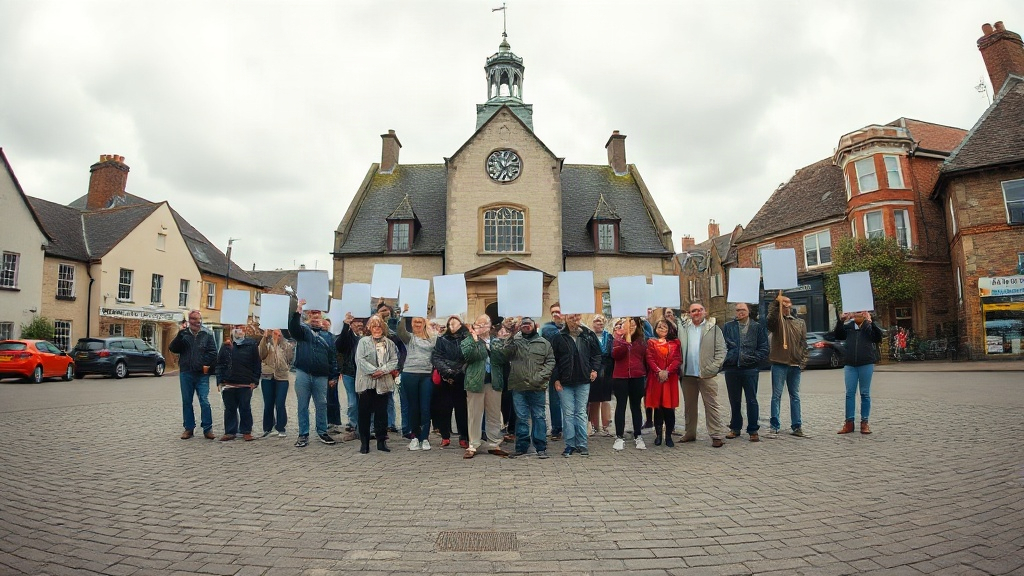
Few issues stir local passions quite like the prospect of losing a town hall. For months, residents in several parts of the country have been bracing for sweeping changes to their local government, as proposals to merge smaller councils into larger, more centralized authorities gained momentum. Now, in a dramatic turn, many of those plans have been halted or withdrawn, leaving a mixture of relief and uncertainty in their wake. This article unpacks what happened, why it matters, and what might come next for the communities affected.
Background: The Push for Bigger Councils
The idea of merging district and borough councils into larger unitary authorities is not new. Proponents argue that bigger councils can deliver services more efficiently, save money through economies of scale, and provide a stronger voice in negotiations with central government. Critics, however, warn that such mergers can erode local identity, reduce democratic accountability, and lead to a one-size-fits-all approach that overlooks the unique needs of smaller towns and rural areas.
In recent years, the government has encouraged local authorities to explore restructuring, offering incentives and setting deadlines for proposals. Several areas took up the challenge, commissioning studies and drafting plans that would redraw the map of local governance. Yet, as the details emerged, so did opposition. Residents, parish councils, and even some elected officials voiced concerns about the potential loss of local control and the rushed nature of the process.
What Exactly Has Been Halted?
Across the country, a number of merger proposals have been paused or withdrawn altogether. While the specific circumstances vary, a common thread is the realization that the plans were not ready for prime time. In some cases, councils cited the need for further consultation with residents. In others, political shifts or financial uncertainties led to a rethink. The result is that many communities that were preparing for a new era of governance are now back to square one.
For example, in one county, a proposal to merge three district councils into a single unitary authority was shelved after a public backlash. Residents had organized petitions, held town hall meetings, and lobbied their MPs, arguing that the merger would dilute local representation and lead to the closure of area offices. Faced with such opposition, council leaders decided to withdraw the plan, at least for now.
In another region, a planned merger was put on hold pending a review of its financial viability. Initial projections had suggested significant savings, but a more detailed analysis revealed that the costs of transition, including IT systems, staff redundancies, and harmonizing services, might outweigh the benefits in the short term. With budgets already tight, the council decided that the risk was too great.
Why the Sudden Change of Heart?
Several factors have contributed to the pause in merger plans. First and foremost is local opposition. As the proposals moved from abstract ideas to concrete plans, residents began to understand the potential impacts on their daily lives. The prospect of longer journeys to access services, the loss of familiar council offices, and the fear that smaller communities would be overlooked in a larger authority all fueled resistance.
Second, political calculations have played a role. With local elections on the horizon in many areas, councillors are wary of supporting unpopular measures. The backlash against mergers has been loud enough that some politicians have decided to distance themselves from the plans, even if they initially supported them.
Third, economic uncertainty has made councils more cautious. The cost of living crisis, rising inflation, and pressures on public finances have forced local authorities to focus on immediate service delivery rather than long-term restructuring. In such a climate, embarking on a costly and disruptive merger process seems less appealing.
What Does This Mean for Local Services?
The halt to merger plans has left many councils in a state of limbo. Some had already begun preparing for the transition, reallocating staff and resources in anticipation of the change. Now, they must decide whether to reverse those steps or maintain a holding pattern. This uncertainty can be unsettling for employees and residents alike.
However, for many communities, the pause is a welcome reprieve. It means that their local council will continue to operate as before, at least for the time being. Services such as planning, waste collection, and housing will remain under the control of the same authority, and residents can still access them in the same way. That continuity is reassuring for those who value the familiarity of their local council.
Yet, the underlying pressures that prompted the merger proposals have not gone away. Councils still face financial challenges, and the demand for services continues to grow. Without restructuring, some may struggle to balance their budgets in the years ahead. The pause may simply be a postponement rather than a cancellation.
Lessons Learned: The Importance of Genuine Consultation
One clear lesson from this episode is the importance of meaningful public engagement. In several cases, the merger plans were developed with limited input from residents, and the backlash caught council leaders by surprise. When people feel that decisions are being made behind closed doors, they are more likely to resist. A more inclusive process, with ample opportunity for feedback and genuine consideration of local concerns, might have produced a different outcome.
Another lesson is the need for robust financial analysis. Some of the merger proposals were based on optimistic assumptions that did not hold up to scrutiny. A more rigorous assessment of costs and benefits, conducted before plans were announced, could have avoided the embarrassment of a withdrawal.
What Happens Next?
For now, the future of council mergers is uncertain. Some areas may revisit the idea in a few years, perhaps with a different approach or a more compelling case. Others may abandon it altogether, choosing instead to focus on collaboration between existing councils, such as sharing services or forming joint committees, which can achieve some of the same benefits without the upheaval of a full merger.
Residents who opposed the mergers can take some satisfaction in having their voices heard. The fact that councils responded to public pressure demonstrates that local democracy is alive and well. However, they should remain vigilant. The forces that drove the merger agenda, including financial pressures and government policy, are unlikely to disappear. The next time such proposals arise, the debate may be even more intense.
Frequently Asked Questions
Why were the council merger plans halted?
The plans were halted due to a combination of local opposition, political considerations, and economic uncertainty. Many residents voiced concerns about losing local representation and services, leading councils to pause or withdraw the proposals.
Will the mergers happen in the future?
It is possible that some areas will revisit the idea of merging councils in the future, especially if financial pressures intensify. However, any future proposals are likely to involve more consultation and a stronger evidence base.
How does halting the mergers affect local services?
In the short term, services will continue to be delivered by the existing councils, so residents should see no immediate change. However, the underlying financial challenges remain, and councils may need to find other ways to save money or improve efficiency.
What can residents do to influence future decisions about council restructuring?
Residents can stay informed about local government issues, attend council meetings, respond to consultations, and contact their elected representatives. Active engagement is the best way to ensure that local voices are heard.
Are there alternatives to full council mergers?
Yes, councils can explore shared services, joint working arrangements, or strategic partnerships that allow them to achieve efficiencies without giving up their separate identities. These options may be more palatable to residents and less disruptive.