
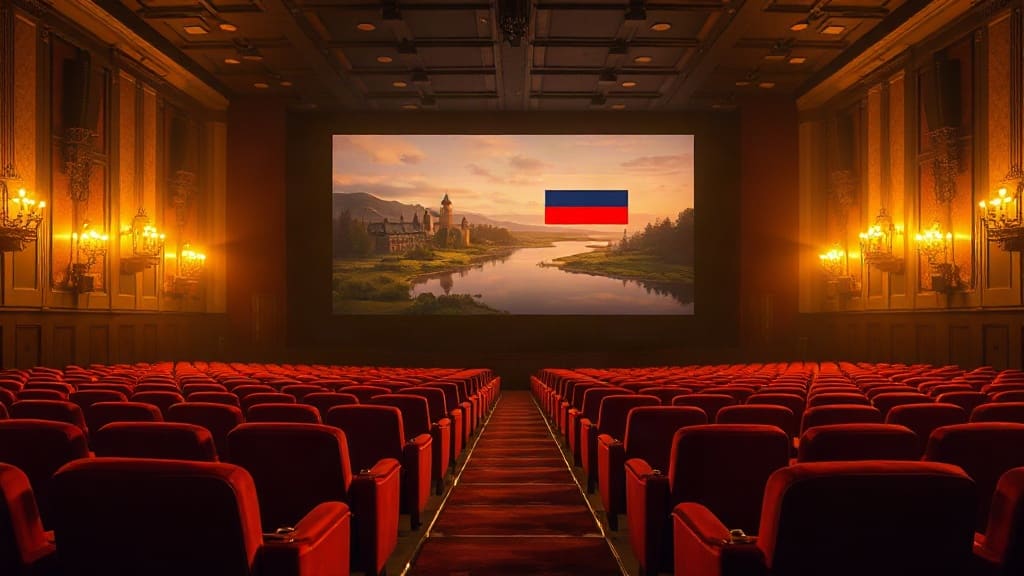
For three decades, the Tallinn Black Nights Film Festival has been the beating heart of cinema in the Baltic region. What began as a modest showcase in 1997 has grown into the only A-category festival in Northern Europe, a magnet for filmmakers, industry professionals, and cinephiles from around the globe. Now, as PÖFF prepares to raise the curtain on its 30th anniversary edition, organizers are making a bold statement: this year, the spotlight belongs firmly on Baltic cinema. With unprecedented backing from the Estonian Film Institute, the National Film Centre of Latvia, and the Lithuanian Film Centre, the special edition promises to be both a homecoming and a declaration of artistic identity.
The decision to center Baltic cinema is not merely a nostalgic gesture. It reflects a deep-seated belief among festival leadership that the region's film industries have reached a new level of maturity and international relevance. Over the past decade, Baltic filmmakers have consistently punched above their weight at major festivals, securing awards and distribution deals that would have been unthinkable in the festival's early years. By dedicating its 30th edition to this creative surge, Tallinn Black Nights is not just celebrating its own legacy; it is amplifying a regional voice that demands to be heard on the world stage.
A Milestone Edition with a Regional Mission
The 30th anniversary of the Tallinn Black Nights Film Festival arrives at a moment of remarkable momentum for Baltic cinema. Estonian, Latvian, and Lithuanian productions have recently garnered acclaim at Cannes, Berlin, and Venice, while local box office numbers show a growing appetite for homegrown stories. The festival's artistic director, Tiina Lokk, has long championed the idea that PÖFF should serve as a launchpad for Baltic films, and this year's edition makes that vision concrete. With the three national film institutes aligning their resources and programming efforts, the festival will feature an unprecedented number of Baltic premieres, retrospectives, and industry initiatives.
One of the most significant components of the anniversary program is a curated retrospective titled "Baltic Visions: 30 Years of Independence on Screen." This selection will trace the evolution of Baltic cinema from the early post-Soviet era to the present day, highlighting key films that have shaped each nation's cinematic identity. The retrospective is designed not only for international guests but also for local audiences, many of whom may be discovering these works for the first time. By pairing classic titles with contemporary premieres, the festival creates a dialogue between generations of filmmakers and offers a comprehensive view of the region's artistic trajectory.
In addition to the retrospective, the festival will host a special competition section dedicated exclusively to Baltic feature films. This new section, supported by all three film institutes, will present a slate of world and international premieres, giving directors from Estonia, Latvia, and Lithuania a high-profile platform to debut their latest works. The competition is expected to draw significant attention from international sales agents, distributors, and festival programmers, many of whom have already confirmed their attendance. For Baltic filmmakers, this represents a rare opportunity to secure global partnerships without leaving the region.
Industry Support and Economic Ripple Effects
The backing of the Estonian Film Institute, the National Film Centre of Latvia, and the Lithuanian Film Centre is more than symbolic. Each organization has committed financial and logistical support to ensure that the Baltic showcase is not a side event but a central pillar of the festival. This collaboration is unprecedented in its scope and signals a new era of regional cooperation in the cultural sector. The joint effort is expected to generate tangible benefits for the film industries of all three countries, from increased international visibility to concrete business deals.
Industry professionals attending the festival will have access to a dedicated Baltic Film Market, where producers can pitch projects, network with potential co-producers, and meet with funding bodies. The market will also feature panel discussions on topics such as cross-border financing, distribution strategies for small nations, and the role of film festivals in building national brands. These conversations are crucial for the long-term sustainability of Baltic cinema, as they address the structural challenges that have historically limited the region's global reach.
The economic impact of the anniversary edition extends beyond the film industry itself. Tallinn's hospitality sector is bracing for a surge in visitors, with hotels, restaurants, and cultural venues expecting record bookings during the festival period. The city government has pledged additional support for transportation and public events, recognizing the festival's role as a major driver of cultural tourism. For a city of Tallinn's size, hosting an event of this magnitude is a point of pride and a testament to the festival's enduring appeal.
What to Expect: Premieres, Panels, and Special Guests
While the full program will not be announced until closer to the festival dates, insiders suggest that the Baltic showcase will include several high-profile world premieres. Estonian director Martti Helde's long-awaited follow-up to his acclaimed debut is rumored to be among the selections, as is a new feature from Latvian auteur Laila Pakalniņa. Lithuanian cinema is expected to be represented by a mix of established names and emerging talents, with the Lithuanian Film Centre using the occasion to introduce a new generation of filmmakers to the international stage.
Beyond the screenings, the festival will host a series of masterclasses and Q&A sessions with prominent Baltic filmmakers. These events are designed to provide insight into the creative processes behind some of the region's most celebrated works and to foster dialogue between artists and audiences. The festival has also announced a special tribute to the late Estonian director Peeter Simm, whose films have left an indelible mark on the national cinema. The tribute will include screenings of his most beloved works and a panel discussion featuring collaborators and admirers.
For those unable to attend in person, the festival will offer a selection of films through its online platform, extending the reach of Baltic cinema to a global audience. This hybrid model, first introduced during the pandemic, has become a permanent feature of the festival and aligns with its mission to make Baltic films accessible to viewers worldwide. The online component is particularly important for diaspora communities, who often have limited access to new releases from their home countries.
The Significance of the A-Category Status
Tallinn Black Nights' status as an A-category festival, accredited by the International Federation of Film Producers Associations (FIAPF), is a rare distinction. It places PÖFF in the company of Cannes, Venice, and Berlin, though the Tallinn event has cultivated a distinctly different identity. While the major European festivals are known for their glamour and star power, Tallinn Black Nights has built its reputation on a commitment to discovering new voices and fostering artistic risk. This focus on innovation has made the festival a favorite among critics and industry insiders who value substance over spectacle.
The 30th anniversary edition is an opportunity to reinforce that identity while expanding the festival's global footprint. By placing Baltic cinema at the center, organizers are making a case for the region's cultural significance and its contribution to the art form. The move is also a strategic one: as competition among festivals intensifies, a clear curatorial vision becomes a key differentiator. Tallinn Black Nights is betting that its focus on Baltic cinema will not only resonate with local audiences but also attract international attention from those seeking something fresh and distinctive.
For the Baltic film industries, the festival's endorsement carries weight. A selection at Tallinn Black Nights can serve as a springboard to other festivals, distribution deals, and critical recognition. The 30th anniversary edition, with its enhanced Baltic programming, amplifies that effect, potentially accelerating the careers of dozens of filmmakers. It is a moment of convergence where national pride, artistic ambition, and commercial opportunity intersect.
Looking Ahead: A Legacy in the Making
As the festival prepares for its landmark edition, there is a palpable sense of anticipation in the air. The partnership between the three national film institutes is a model of regional collaboration that could inspire similar initiatives in other parts of the world. The focus on Baltic cinema is not just a one-off celebration; it is a statement of intent that will shape the festival's identity for years to come. If this year's edition succeeds in elevating the profile of Baltic films, it will cement Tallinn Black Nights' reputation as a festival that not only showcases great cinema but also helps to create it.
The 30th anniversary of the Tallinn Black Nights Film Festival is more than a milestone; it is a declaration. It declares that Baltic cinema has arrived, that its stories are worth telling, and that its filmmakers are ready for the world stage. For audiences in Tallinn and beyond, the festival offers a rare opportunity to witness a regional renaissance in real time. As the lights dim and the first frame flickers to life, the message will be clear: the future of Baltic cinema is bright, and it begins here.
Frequently Asked Questions
When and where does the Tallinn Black Nights Film Festival take place?
The Tallinn Black Nights Film Festival, also known as PÖFF, takes place annually in Tallinn, Estonia, typically in November. The 30th anniversary edition is scheduled for November 2025, with exact dates to be announced on the festival's official website. The main venues are located in the city center, including the Coca-Cola Plaza cinema complex and the Nordea Concert Hall, with additional screenings at cultural institutions across Tallinn.
How can I get tickets for the Baltic cinema showcase at the festival?
Tickets for the Tallinn Black Nights Film Festival, including the Baltic cinema showcase, are available through the festival's official ticketing platform. Sales typically begin in October, with early bird discounts for festival pass holders. Due to high demand for the anniversary edition, it is advisable to purchase tickets well in advance. Some screenings may also be available online through the festival's digital platform, allowing international viewers to participate.
What makes Tallinn Black Nights an A-category film festival?
Tallinn Black Nights is accredited as an A-category festival by the International Federation of Film Producers Associations (FIAPF). This accreditation is reserved for competitive feature film festivals that meet strict criteria regarding programming quality, industry participation, and international reach. PÖFF is the only A-category festival in Northern Europe and one of only 15 in the world, placing it alongside events like Cannes and Venice.
Which Baltic films have gained international recognition in recent years?
Several Baltic films have achieved international acclaim in recent years. Estonian director Tanel Toom's "Truth and Justice" was shortlisted for the Academy Awards, while Lithuanian filmmaker Marija Kavtaradze's "Slow" won awards at Sundance. Latvian director Gints Zilbalodis' animated feature "Away" earned critical praise worldwide. These successes underscore the growing artistic strength of Baltic cinema, which the festival aims to highlight.
Will the festival offer any online screenings for international audiences?
Yes, the Tallinn Black Nights Film Festival has maintained a hybrid format since 2020, offering a selection of films through its online platform. For the 30th anniversary edition, a curated portion of the Baltic cinema program will be available to stream worldwide. This allows international audiences, including the Baltic diaspora, to experience the festival's programming from anywhere. Details on the online selection and access will be announced closer to the festival dates.