
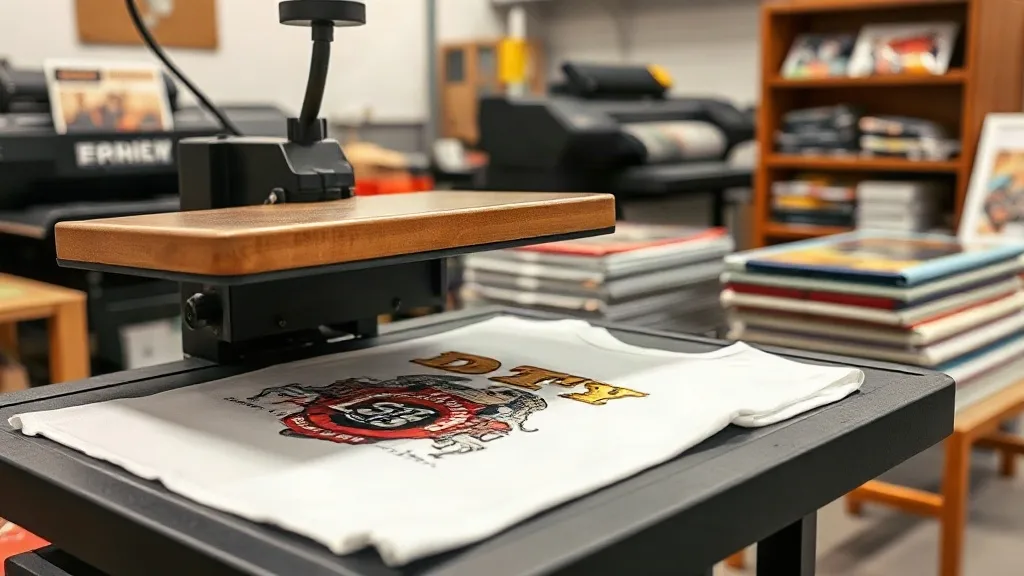
Custom apparel has never been more accessible, thanks to innovative printing technologies that bring designs to life on fabric. Among these, dtf printing has emerged as a game-changer, offering vibrant colors and exceptional durability. Whether you're a small business owner, a hobbyist, or a fashion enthusiast, understanding dtf transfers can unlock new possibilities for your creative projects. In this guide, we'll explore what DTF printing is, how it works, and why it might be the perfect solution for your next custom apparel venture.
What Are DTF Transfers?
DTF stands for Direct to Film. It's a printing method where your design is printed onto a special film, coated with a powder adhesive, and then heat-pressed onto fabric. Unlike other techniques that require specific fabric types, DTF transfers adhere to a wide range of materials, including cotton, polyester, blends, and even leather. This versatility makes it a favorite among those who want consistent results across different garments.
The process begins with a digital printer that uses pigment-based inks to print the design onto a PET film. A powdered hot-melt adhesive is then applied to the wet ink, and the film is cured. When you're ready to apply, you simply place the film on your garment and use a heat press to transfer the design. The adhesive melts, bonding the ink to the fabric, and after cooling, you peel away the film to reveal a soft, stretchable print.
Why Choose DTF Transfers for Your Projects?
There are several reasons why DTF transfers have gained popularity in the custom apparel industry. Let's dive into the key benefits.
Unmatched Versatility
One of the biggest advantages of DTF transfers is their ability to adhere to almost any fabric. Whether you're working with 100% cotton t-shirts, polyester athletic wear, or even canvas bags, DTF prints hold up beautifully. This eliminates the need for multiple printing methods and simplifies your production process.
Vibrant and Durable Prints
DTF transfers produce bright, high-resolution images with fine details. The prints are also highly durable, resisting cracking, fading, and peeling even after repeated washing. This makes them ideal for items that will see frequent use, such as work uniforms or sports jerseys.
Cost-Effective for Short Runs
Unlike screen printing, which requires separate screens for each color and becomes cost-effective only at higher volumes, DTF transfers are economical for small batches. You can print one-off designs or small orders without breaking the bank. This is perfect for small businesses testing new designs or individuals creating personalized gifts.
No Weeding or Cutting Required
With DTF transfers, there's no need to weed out excess vinyl or cut around intricate details. The printer handles everything, saving you time and reducing waste. This is especially beneficial for complex designs with many small elements.
How to Apply DTF Transfers: Step-by-Step
Applying DTF transfers is straightforward, but following the correct steps ensures a professional finish. Here's a detailed guide.
Step 1: Prepare Your Workspace
Set up your heat press in a well-ventilated area. Ensure the press is clean and calibrated for accurate temperature and pressure. You'll also need a lint roller or cloth to remove any debris from the garment.
Step 2: Preheat the Garment
Preheat your heat press to the recommended temperature, typically around 300-325°F (150-160°C). Pre-press the garment for a few seconds to remove moisture and wrinkles. This helps the transfer adhere evenly.
Step 3: Position the Transfer
Place the DTF transfer film onto the garment with the printed side facing up. Use heat-resistant tape if needed to keep it in place. If you're working with multiple transfers, arrange them before pressing.
Step 4: Press the Transfer
Close the heat press and apply medium to firm pressure for 10-15 seconds. The exact time may vary depending on your press and the film manufacturer's instructions, so always test first.
Step 5: Peel and Finish
After pressing, allow the transfer to cool completely before peeling off the film. You can peel it either hot or cold, but cold peel is often recommended for DTF. Once peeled, you'll see a vibrant, smooth print. For added durability, you can press again for a few seconds with a protective sheet.
Common Mistakes to Avoid with DTF Transfers
Even though DTF is forgiving, some pitfalls can affect your results. Here are a few to watch out for.
- Insufficient pressure: If the pressure is too low, the adhesive won't bond properly, leading to premature peeling. Adjust your press accordingly.
- Wrong temperature: Too high can scorch the fabric or film; too low can result in poor adhesion. Always follow the recommended settings.
- Not pre-pressing: Skipping pre-pressing can trap moisture, causing bubbles or poor adhesion.
- Peeling too soon: If you peel while hot, the design might stretch or smear. Wait for it to cool.
- Using the wrong film: Not all DTF films are created equal. Choose a reputable brand that matches your printer and ink.
DTF Transfers vs. Other Printing Methods
How does DTF stack up against other popular techniques? Let's compare.
DTF vs. Screen Printing
Screen printing is cost-effective for large orders but requires separate screens per color and is limited to certain fabrics. DTF excels in small batches, intricate designs, and works on almost any material. However, for very large runs, screen printing might still be more economical.
DTF vs. DTG
Direct-to-garment (DTG) printing is great for 100% cotton but struggles with polyester and dark colors. DTF performs well on both and doesn't require pre-treatment, making it more versatile.
DTF vs. Vinyl
Heat transfer vinyl (HTV) is ideal for simple, single-color designs and requires weeding. DTF handles full-color, complex images with no weeding, saving time and enabling more detailed artwork.
Choosing the Right DTF Supplies
To achieve professional results, you need quality supplies. Here's what to consider.
- Printer and ink: Use a DTF-specific printer with pigment inks designed for film printing. Epson conversions are common, but dedicated DTF printers are also available.
- Film: Look for double-sided matte film that's compatible with your printer. It should handle the ink and adhesive well.
- Adhesive powder: Use a fine, thermoplastic powder that melts evenly. Particle size affects the feel and durability.
- Heat press: A reliable heat press with consistent temperature and pressure is crucial. Clamshell or swing-away presses both work.
Investing in good supplies pays off in the long run with fewer failures and better-looking prints.
Applications of DTF Transfers
DTF transfers are used in a variety of settings. Here are some popular applications.
- Custom t-shirts: Perfect for personalized gifts, team uniforms, or merchandise.
- Sportswear: DTF prints stretch with the fabric, making them ideal for jerseys and leggings.
- Workwear: Add logos and names to uniforms with durable prints that withstand industrial washing.
- Accessories: Decorate tote bags, hats, and even shoes with detailed designs.
- Home decor: Personalize pillows, blankets, and wall hangings.
The possibilities are endless, limited only by your imagination.
Frequently Asked Questions About DTF Transfers
How long do DTF transfers last?
With proper application and care, DTF transfers can last as long as the garment itself. They resist cracking and fading for 50+ washes when washed inside out in cold water and tumble dried low or hung dry.
Can I use DTF transfers on dark fabrics?
Absolutely. DTF transfers include a white ink layer that makes colors pop on dark backgrounds. You don't need special pre-treatment as with DTG.
Do I need a special printer for DTF?
You can convert certain inkjet printers (like Epson) to use DTF inks, or purchase a dedicated DTF printer. Both options work, but dedicated printers are designed for higher volume and reliability.
What is the best temperature for pressing DTF transfers?
Most DTF transfers require 300-325°F (150-160°C) for 10-15 seconds with medium to firm pressure. Always check the instructions from your film or powder supplier for exact settings.
Can I stretch DTF prints?
Yes, DTF prints are elastic and can stretch with the fabric without cracking, making them suitable for athletic wear and stretchy materials.
Final Thoughts
DTF transfers offer a versatile, durable, and cost-effective solution for custom apparel printing. Whether you're a business owner looking to expand your product offerings or a DIY enthusiast wanting to create unique garments, DTF technology provides the tools to bring your ideas to life. By following the steps and tips outlined in this guide, you'll be well on your way to mastering DTF printing. Remember, practice makes perfect, so don't hesitate to experiment and refine your technique. For high-quality DTF transfers and supplies, visit wiredraft.com to explore their range and take your custom apparel to the next level.