
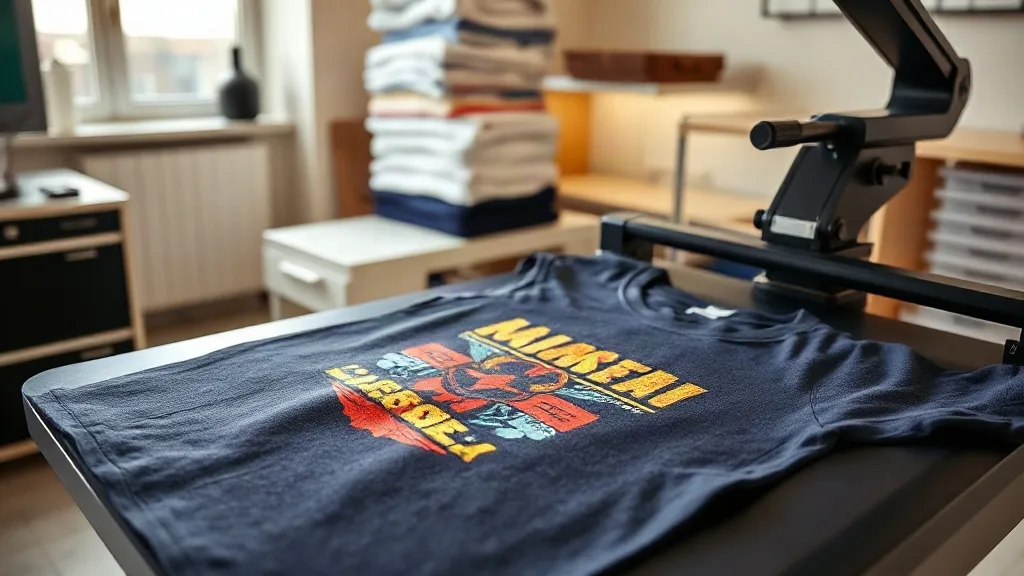
When it comes to custom apparel, finding a printing method that balances quality, durability, and ease of use can feel like a never-ending quest. Enter dtf, or Direct to Film, a technology that has taken the garment decoration world by storm. Unlike traditional methods that require specialized equipment or have limitations on fabric types, DTF offers a versatile solution that works on cotton, polyester, blends, and even nylon. Whether you're a small business owner, a hobbyist, or a professional printer, understanding DTF transfers can open up a world of creative possibilities.
In this guide, we'll walk you through everything you need to know about dtf transfers, from the basics of the process to advanced tips for flawless application. We'll also compare DTF with other popular methods and share best practices to ensure your prints stand out.
What Are DTF Transfers?
DTF transfers are a type of heat-applied decoration where a design is printed onto a special film using a DTF printer. The process involves printing a mirror image of the design onto the film with water-based inks, then applying a hot-melt adhesive powder while the ink is still wet. After the powder is cured, the transfer is ready to be applied to a garment using a heat press. The result is a soft, stretchable, and highly durable print that can be applied to a wide range of fabrics.
The key difference between DTF and other transfer methods like DTG (Direct to Garment) or sublimation is that DTF doesn't require pre-treatment of the fabric and works on both natural and synthetic materials. This makes it an incredibly versatile option for customizing t-shirts, hoodies, bags, and more.
Why Choose DTF Transfers?
There are several compelling reasons why DTF has become a favorite among apparel decorators:
- Versatility: DTF transfers adhere to cotton, polyester, blends, leather, and even nylon. You're not limited to certain fabric types.
- Vibrancy: The inks used in DTF printing produce bright, opaque colors that pop, even on dark garments.
- Durability: When applied correctly, DTF prints withstand repeated washing without cracking, peeling, or fading.
- No Weeding: Unlike vinyl, DTF transfers don't require weeding, saving time and reducing waste.
- Cost-Effective: For small to medium batches, DTF can be more affordable than screen printing, especially for multi-color designs.
These benefits make DTF an attractive option for businesses looking to offer high-quality custom apparel without investing in expensive equipment like screen printing presses or DTG machines.
How to Apply DTF Transfers
Applying DTF transfers is straightforward, but following the correct steps is crucial for a professional finish. Here's a step-by-step guide:
Step 1: Prepare Your Heat Press
Set your heat press to the recommended temperature, usually between 325°F and 350°F (160°C to 175°C). Pre-press the garment for a few seconds to remove moisture and wrinkles. This ensures better adhesion.
Step 2: Position the Transfer
Place the DTF transfer on the garment with the printed side facing up. If your transfer has a carrier film, make sure the design is positioned correctly.
Step 3: Press the Transfer
Apply medium to firm pressure for 10-15 seconds. The exact time may vary depending on your press and the transfer manufacturer's instructions.
Step 4: Peel the Film
After pressing, allow the transfer to cool completely before peeling off the carrier film. This is known as a cold peel. Some transfers may require a hot peel, so always check the instructions.
Step 5: Post-Press (Optional)
For added durability, you can cover the design with a Teflon sheet or parchment paper and press for another 5-10 seconds. This helps the adhesive fully bond with the fabric.
With practice, you'll be able to apply DTF transfers quickly and consistently, even on tricky fabrics.
DTF vs. Other Printing Methods
To help you decide if DTF is right for your projects, let's compare it with other common printing techniques:
- DTF vs. DTG: DTG requires pre-treatment and works best on 100% cotton. DTF works on almost any fabric and doesn't need pre-treatment, but DTG can produce softer prints on cotton.
- DTF vs. Screen Printing: Screen printing is cost-effective for large orders but requires separate screens for each color. DTF is better for small batches and complex designs with many colors.
- DTF vs. Vinyl: Vinyl is limited to single-color designs and requires weeding. DTF can handle full-color images and has no weeding.
- DTF vs. Sublimation: Sublimation only works on light-colored polyester. DTF works on dark colors and cotton.
As you can see, DTF fills a niche that other methods can't, making it a valuable addition to any decorator's toolkit.
Tips for Perfect DTF Transfers
To get the best results with DTF, keep these tips in mind:
- Store transfers properly: Keep unused transfers in a cool, dry place away from direct sunlight to prevent the adhesive from curing prematurely.
- Use the right pressure: Too little pressure results in poor adhesion; too much can cause the design to spread. Experiment to find the sweet spot.
- Test on scrap fabric: Before applying to a finished garment, test on a similar fabric to dial in your settings.
- Wash inside out: To prolong the life of the print, wash garments inside out in cold water and avoid bleach.
These simple practices can significantly extend the lifespan of your DTF prints.
Common Mistakes to Avoid
Even experienced users can run into issues. Here are some common pitfalls and how to avoid them:
- Insufficient pressure: If the transfer doesn't stick, increase pressure.
- Wrong temperature: Too hot and the film may melt; too cold and the adhesive won't activate.
- Peeling too early: Always wait for the transfer to cool before peeling to prevent the design from lifting.
- Not pre-pressing: Skipping pre-pressing can lead to moisture trapped under the transfer, causing poor adhesion.
By avoiding these mistakes, you'll achieve professional-looking results every time.
Frequently Asked Questions
Can DTF transfers be applied to dark colors?
Absolutely. DTF transfers are printed with a white ink base, which allows them to show up vividly on dark fabrics. This is one of the main advantages over sublimation, which requires light-colored polyester.
How long do DTF prints last?
With proper application and care, DTF prints can last as long as the garment itself. They are resistant to cracking, peeling, and fading, even after multiple washes.
Do I need a special printer for DTF?
Yes, DTF printing requires a dedicated DTF printer that uses specialty inks and films. However, if you don't want to invest in a printer, you can purchase pre-made DTF transfers from suppliers.
Can I stretch the garment after applying DTF?
DTF transfers are flexible and will stretch with the fabric to some degree. However, excessive stretching may cause the print to crack over time. It's best to avoid stretching the printed area too much.
What fabrics work best with DTF?
DTF works on a wide range of fabrics, including cotton, polyester, blends, nylon, and leather. It's particularly useful for fabrics that are difficult to print with other methods.
Conclusion
DTF transfers have revolutionized the custom apparel industry by offering a versatile, durable, and vibrant printing solution. Whether you're just starting out or looking to expand your services, incorporating DTF into your workflow can set you apart. With the right techniques and a bit of practice, you'll be able to create stunning, long-lasting prints on almost any fabric. So why not give DTF a try? Your customers will love the results.