
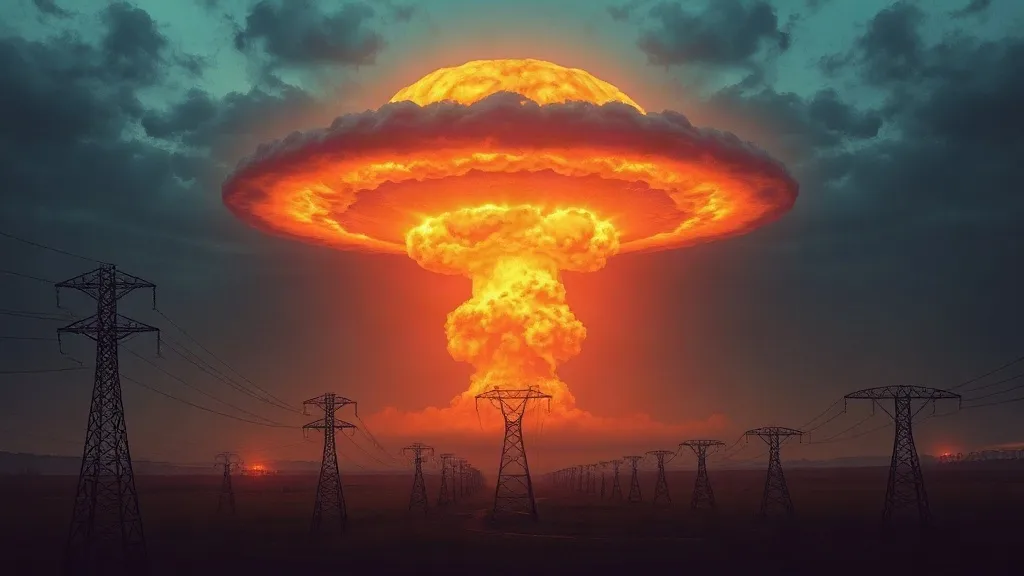
In recent years, a alarming narrative has taken hold in certain corners of Washington: a single nuclear weapon, detonated high above the United States, could unleash an electromagnetic pulse (EMP) that would fry the power grid, silence communications, and plunge the country into a pre-industrial dark age. The fear is not new, but it gained unprecedented traction during the Trump administration, when top officials repeatedly warned of an EMP Pearl Harbor. This article explores how those fears were stoked, the science behind EMP, and what it means for policy and public understanding.
The EMP Threat: Science or Sci-Fi?
An electromagnetic pulse is a burst of electromagnetic energy. It can be caused by natural phenomena, like solar storms, or by human-made events, particularly nuclear detonations. A high-altitude nuclear explosion (HANE) could produce a powerful EMP that couples with electrical and electronic systems, potentially causing widespread damage. The concept is not new: the U.S. conducted high-altitude nuclear tests in the 1950s and 1960s, such as Starfish Prime, which knocked out streetlights in Hawaii and damaged satellites. However, the effects were far from the doomsday scenarios often painted.
Scientists have long studied EMP. The physics is well understood: a nuclear detonation at high altitude releases gamma rays that ionize the atmosphere, creating a Compton effect that generates a strong electromagnetic field. This field can induce damaging currents in long conductors like power lines, pipelines, and cables. But the extent of the damage depends on many factors: altitude of detonation, yield of the weapon, geomagnetic latitude, and the vulnerability of the infrastructure. A single weapon might cause regional disruptions, but frying the entire grid of a continent-sized country is a far more complex proposition.
How the Fear Was Amplified
During the Trump administration, several high-ranking officials, including then-Secretary of Energy Rick Perry and members of the National Security Council, publicly warned about the EMP threat. They often cited a report from the EMP Commission, a congressional advisory panel that had been warning about EMP for years. The commission's 2004 and 2008 reports painted a dire picture: a single nuclear EMP could cause widespread blackouts lasting months or years, leading to millions of deaths from starvation, disease, and societal collapse.
These warnings were not entirely unfounded. The EMP Commission included respected scientists and engineers, and their concerns about infrastructure vulnerability were legitimate. However, critics argue that the commission's worst-case scenarios were based on assumptions that may not hold in reality. For instance, the commission assumed that all transformers would be destroyed and that repair would be impossible for years. In practice, many transformers might survive, and replacements could be manufactured and installed within months, albeit with significant effort.
What made the Trump officials' warnings notable was the political context. The EMP threat became intertwined with broader debates about nuclear modernization, missile defense, and confrontation with North Korea and Iran. By emphasizing the vulnerability of the power grid, officials made a case for massive spending on missile defense and preemptive strikes. The fear was also used to justify policies like the withdrawal from the Iran nuclear deal, with some arguing that Iran could eventually develop an EMP-capable missile.
The Real Risks and What Can Be Done
While the doomsday scenarios may be exaggerated, the EMP threat is real and deserves attention. The U.S. power grid is indeed vulnerable to a variety of threats, from cyberattacks to physical attacks to natural disasters. An EMP event, whether from a nuclear weapon or a solar storm, could cause significant disruptions. The 1989 Quebec blackout, caused by a solar storm, left millions without power for hours. A more severe solar storm, like the 1859 Carrington Event, could cause widespread damage today.
But the good news is that steps can be taken to mitigate the risk. Utilities can harden critical components, stockpile spare transformers, and improve grid resilience. Government agencies can develop response plans and conduct exercises. The cost of such measures is far less than the cost of a worst-case scenario. Unfortunately, progress has been slow, partly because the threat is seen as low-probability and partly because the grid is owned by thousands of private companies, making coordinated action difficult.
The Politics of EMP: A Double-Edged Sword
The politicization of EMP has had mixed consequences. On one hand, it has raised awareness of a genuine vulnerability. On the other, it has led to exaggerated claims that can distort policy. For example, some advocates have called for a crash program to build a missile defense shield specifically against EMP, which could be prohibitively expensive and technically challenging. Others have used the threat to argue for preemptive military action against countries like North Korea, which could escalate tensions.
Moreover, focusing on a single, dramatic threat like EMP can distract from more likely and equally dangerous threats, such as cyberattacks on the grid. A cyberattack could be launched by a variety of actors, from nation-states to criminal groups, and could cause widespread blackouts without a single nuclear weapon. In fact, many experts believe that cyber threats are more immediate and more likely than an EMP attack.
What the Public Should Know
For the average person, the EMP threat can seem terrifying but remote. It's important to separate fact from fiction. While a nuclear EMP could cause serious disruptions, it is not a doomsday weapon that would instantly end civilization. The U.S. government has been aware of the threat for decades and has taken some steps to prepare. However, much more could be done to protect the grid, and citizens can advocate for better preparedness.
In addition, individuals can take simple steps to prepare for any long-term power outage, whether from EMP, cyberattack, or natural disaster. Having a emergency kit with food, water, medications, and a battery-powered radio is wise. But stocking up on faraday cages and gas masks is likely overkill. The most effective preparation is community resilience: knowing your neighbors, having a plan, and staying informed.
Frequently Asked Questions
What exactly is a nuclear EMP and how does it damage electronics?
A nuclear EMP is a burst of electromagnetic energy produced by a nuclear detonation at high altitude. The gamma rays from the explosion collide with air molecules, knocking electrons loose and creating a powerful electromagnetic field. This field can induce high voltages in electrical conductors, frying sensitive electronics and damaging power grid components like transformers.
Could a single nuclear weapon really destroy the entire U.S. power grid?
Probably not. While a high-altitude EMP could cause widespread damage, it is unlikely to destroy the entire grid. The grid is a complex network with redundancies, and many components might survive. The extent of damage depends on the weapon's yield, altitude, and the grid's vulnerability. A single weapon could cause regional blackouts lasting weeks or months, but a nationwide, years-long blackout is a worst-case scenario that assumes no effective response.
Why did Trump officials focus on the EMP threat?
Trump officials, like many before them, were concerned about the vulnerability of the U.S. power grid to a nuclear attack. They used the EMP threat to argue for increased military spending, missile defense, and a harder line against adversaries like North Korea and Iran. The EMP Commission's reports provided a scientific basis for their concerns, though some of the worst-case claims were exaggerated.
Is the U.S. power grid prepared for an EMP attack?
The grid is not fully prepared. While some utilities have taken steps to harden their systems, progress has been slow due to cost, regulatory hurdles, and the fragmented nature of the industry. The government has conducted studies and exercises, but a comprehensive, nationwide hardening effort would require significant investment and coordination. Some experts believe that the threat is serious enough to warrant such measures, while others argue that the focus should be on more likely threats like cyberattacks.
What can I do to prepare for a possible EMP event?
You can take general preparedness steps that are useful for any emergency: stock non-perishable food, water, medications, and essential supplies; have a battery-powered or hand-crank radio; and develop a family communication plan. However, you don't need to build a bunker. The likelihood of a catastrophic EMP attack is low, and the best preparation is to stay informed and support community resilience efforts.