
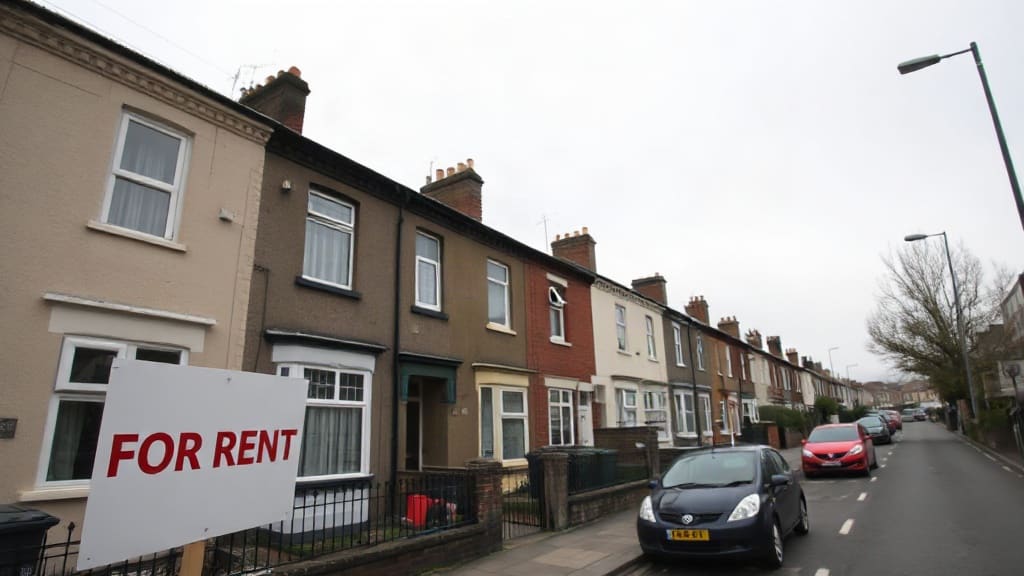
Private renters in England have faced years of steep increases, with average rents climbing faster than wages in many regions. Now, Green Party leader Zack Polanski is set to propose a three-year cap on private rent rises, aiming to give tenants stability and breathing room. The announcement, to be made at his party's conference, positions housing as a central issue of generational fairness—a theme that resonates with younger voters locked out of homeownership and older renters on fixed incomes. But what exactly does the proposal entail, and how would it work in practice? In this article, we unpack the idea, its background, and the potential consequences for renters, landlords, and the wider housing market.
The Proposal at a Glance
According to advance reports, Polanski will use his conference speech to advocate for a cap that would limit annual rent increases for private tenants over a three-year period. The exact mechanism—whether tied to inflation, wage growth, or a fixed percentage—remains unspecified, but the intention is clear: to prevent sudden, unaffordable jumps that force tenants to move or cut back on essentials. The cap would apply to private rentals, potentially excluding new-builds or specific exemptions to encourage supply. Polanski is expected to argue that such a measure is not about punishing landlords but about ensuring fairness between generations, particularly as many young people face a lifetime of renting.
Why Renters Are Struggling
The context is stark. Over the past decade, private rents in the UK have risen by double digits in many areas, outpacing both inflation and average earnings. In London, the average monthly rent for a new let now exceeds £2,000, while in cities like Manchester and Bristol, increases of 10-15% year-on-year have become common. For tenants, this means less disposable income, longer commutes, and often a choice between heating and eating. The cost-of-living crisis has amplified these pressures, with energy bills and food prices also soaring. Meanwhile, social housing waiting lists have ballooned, leaving private renting as the only option for millions. Polanski's proposal taps into a growing sense of injustice: why should a basic need like housing be subject to such volatility?
Generational Fairness: The Core Argument
Polanski's framing of housing as a generational fairness issue is deliberate. Younger generations are far less likely to own a home than their parents were at the same age. According to the Institute for Fiscal Studies, homeownership among 25-34 year-olds has fallen from 55% in 1997 to just 28% in 2017, and the trend has continued. Many are stuck in the private rented sector, paying off someone else's mortgage while unable to save for their own deposit. Older renters, too, face insecurity, especially those who downsized or never bought. By proposing a rent cap, Polanski is positioning the Greens as the party that will stand up for renters against what he calls a rigged system. It's a message that could resonate beyond the traditional Green base, appealing to young families and urban professionals alike.
How a Rent Cap Might Work
While details are scarce, several models exist. One option is to link increases to the Consumer Prices Index (CPI) or a similar measure, ensuring rents rise in line with broader inflation but not faster. Another is to set a fixed annual cap, such as 3% or 4%, regardless of inflation. A third approach, used in some European countries, is to tie rents to local wage growth. Each has trade-offs. Inflation-linked caps can still lead to real-terms increases if wages lag, while fixed caps may discourage investment if they fall below maintenance costs. The three-year timeframe suggests a medium-term predictability, allowing tenants to plan ahead. It also gives landlords a clear framework, potentially reducing disputes. However, without accompanying measures to boost housing supply, a cap could exacerbate shortages if landlords exit the market.
What Landlords and Economists Say
Landlord groups have historically opposed rent controls, arguing they reduce investment, worsen quality, and create black markets. The National Residential Landlords Association has warned that caps could lead to fewer rentals, especially in areas where yields are already thin. Some economists point to evidence from cities like Berlin, where a rent freeze led to a decline in new listings and a surge in subletting. Others counter that the UK's housing crisis is too severe for market solutions alone, and that targeted caps can work if paired with incentives for building. The debate often boils down to ideology: is housing a commodity or a right? Polanski's proposal forces that question into the open.
Political Implications
The Green Party has seen a surge in support, particularly among younger voters and in local elections. By championing rent caps, Polanski is staking out territory that Labour and the Liberal Democrats have tiptoed around. Labour has promised to end no-fault evictions and introduce a national landlord register, but has not endorsed rent controls. The Conservatives argue that caps would stifle the market. If the Greens can make housing a defining issue, they could pressure larger parties to adopt bolder policies. With a general election on the horizon, this could become a key battleground. Polanski's speech is likely to be a rallying cry, but whether it translates into legislative change depends on broader political dynamics.
What It Could Mean for Renters
For tenants, a three-year cap would offer stability and predictability. Knowing that rent won't spike by 20% next year allows for budgeting, saving, and perhaps even staying put. It could reduce the stress of constant moves, which are costly and disruptive, especially for families with children in school. However, if landlords respond by reducing supply, finding a rental could become harder. The policy's success hinges on whether it increases security without shrinking the market. Some renters might also worry that caps could lead to reduced maintenance if landlords cut corners to protect profits. Strong enforcement would be essential.
What It Could Mean for Landlords
For landlords, a cap brings certainty but also potential constraints. Those with low mortgages or in high-demand areas may absorb the limit easily. Others, particularly those with high debt or in areas with falling prices, could see profits squeezed. Some might sell up, reducing the supply of rentals. Others might convert to short-term lets, which are often exempt from such caps. The government would need to close loopholes and perhaps offer tax incentives for landlords who keep rents affordable. The buy-to-let market has already cooled due to tax changes and higher interest rates; a cap could accelerate that trend.
International Examples
Rent controls exist in various forms worldwide. In Germany, rents are regulated through a system that limits increases based on local benchmarks, though enforcement varies. In Sweden, rents are set through collective bargaining between tenant unions and landlords, covering most of the market. In New York City, rent stabilisation covers about half of rentals, with annual increases set by a board. These systems have pros and cons, but they show that rent regulation is not a fringe idea. The UK already has a form of rent control in social housing, where rents are set nationally. Extending similar principles to the private sector would be a significant shift.
Challenges and Criticisms
Critics argue that rent caps are a quick fix that ignores root causes: insufficient housebuilding, restrictive planning laws, and a tax system that favours ownership over renting. They say capping rents without boosting supply could make the shortage worse. Others point out that landlords are not a monolith; many are small-scale investors who rely on rental income for retirement. A cap could hurt them disproportionately. There's also the question of how to enforce it: would local councils have the resources to monitor and penalise breaches? Without robust enforcement, caps can become symbolic. Polanski's team will need to address these concerns to make the policy credible.
The Bigger Picture
Polanski's proposal is part of a broader conversation about the future of housing in the UK. The pandemic highlighted the importance of secure homes, and the cost-of-living crisis has made housing affordability a top concern. Both main parties have acknowledged the problem, but solutions remain contested. The Green Party's stance could push the debate leftwards, forcing others to respond. Whether or not the cap becomes law, it signals that housing is set to be a defining issue in the next election. For renters, it offers a glimmer of hope; for landlords, a note of caution. The coming months will reveal how this idea evolves and whether it gains traction.
Frequently Asked Questions
What exactly is a three-year cap on private rent rises?
A three-year cap would limit how much landlords can increase rent over a three-year period. It could be a fixed percentage each year or tied to inflation. The aim is to prevent sudden, large increases that make renting unaffordable.
Would this apply to all private rentals in the UK?
It's too early to say. The proposal likely applies to England, as housing is devolved. There may be exemptions for new-builds or certain types of tenancies. Details will be clarified in the coming weeks.
How would a rent cap affect landlords?
Landlords could see lower rental growth, which might squeeze profits for those with high costs. Some may sell, reducing supply. However, it could also provide stable, predictable income and reduce turnover.
Is this the same as rent control?
Rent control is a broad term. A cap on increases is a form of rent regulation, but it's less strict than a full freeze or fixed rents. It's often called a rent stabilisation measure.
What can renters do to prepare?
Stay informed about local housing policies and tenant rights. If you're on a fixed-term tenancy, check your contract for renewal terms. Join a tenants' union or support group for advice and collective bargaining.