
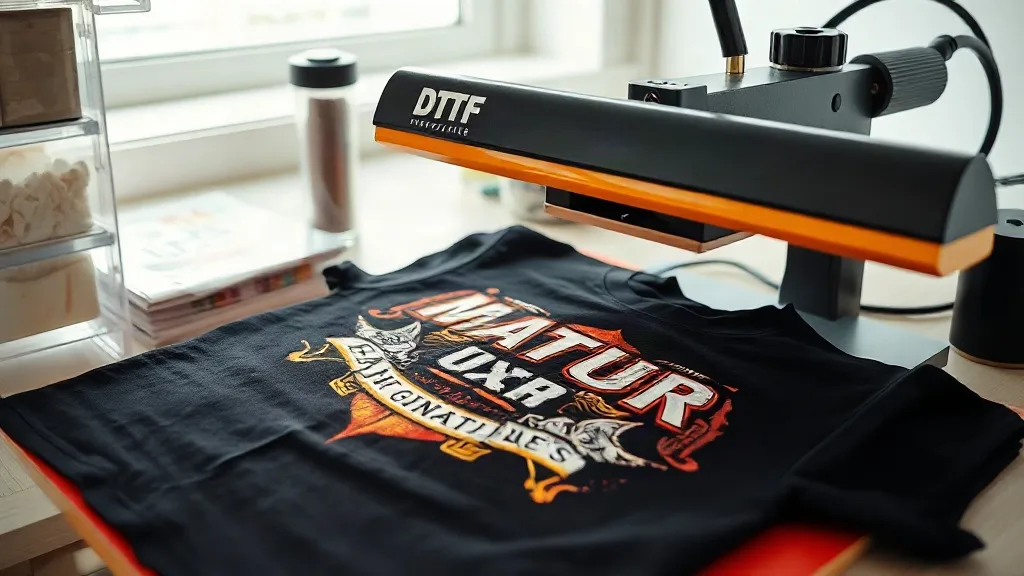
When it comes to decorating apparel, the options can be overwhelming. Vinyl, screen printing, embroidery, and sublimation each have their strengths and weaknesses. But in recent years, a new contender has emerged: DTF. Short for Direct-to-Film, this technology is quickly becoming a favorite among crafters, small business owners, and even large-scale manufacturers. Why? Because it offers unparalleled versatility, vibrant colors, and impressive durability, all without the need for expensive equipment or messy chemicals. If you’re looking to elevate your custom apparel game, understanding DTF transfers is essential.
In this guide, we’ll dive deep into the world of DTF. We’ll explain what it is, how it works, and why it might be the perfect solution for your next project. Whether you’re a hobbyist looking to personalize t-shirts for your family or a business owner seeking a reliable decoration method, this article will equip you with the knowledge to make informed decisions.
What Are DTF Transfers?
DTF transfers are a type of heat-applied decoration that involves printing a design onto a special film, coating it with a powder adhesive, and then transferring it onto fabric using a heat press. Unlike traditional screen printing, which requires separate screens for each color, DTF uses a digital printer to print the design in full color onto the film. This means you can achieve photographic detail, gradients, and fine lines without the setup costs and limitations of screen printing.
The process begins with a digital file, which is printed onto a PET film using specialized inks. The printer lays down a layer of white ink as a base, followed by CMYK inks to create the colors. Then, a fine powder adhesive is applied to the wet ink. After shaking off the excess powder, the film is cured in an oven or with a heat gun. The result is a flexible, transferable decal that can be stored until needed.
When you’re ready to apply the design, you simply place the film onto your garment, cover it with a heat-resistant sheet, and press it with a heat press. The adhesive melts, bonding the design to the fabric. Once cooled, you peel away the film, leaving a soft, stretchable print that feels like part of the garment.
Why Choose DTF Transfers?
There are several compelling reasons why dtf transfers have gained such popularity. Let’s explore the key benefits.
1. Unmatched Versatility
One of the biggest advantages of DTF is that it works on a wide range of fabrics. Unlike heat transfer vinyl (HTV) that adheres best to cotton, DTF can be applied to cotton, polyester, blends, nylon, leather, and even some treated woods. This makes it ideal for decorating everything from t-shirts and hoodies to tote bags and caps. Additionally, DTF can handle complex designs with multiple colors, gradients, and fine details that would be difficult or impossible with other methods.
2. No Weeding Required
If you’ve ever worked with HTV, you know the tedious process of weeding out tiny pieces of vinyl. DTF eliminates that entirely. Once the design is printed and powdered, it’s ready to press. There’s no cutting, no weeding, and no wasted material. This saves an incredible amount of time, especially for intricate designs.
3. Durability and Washability
Properly applied DTF transfers are incredibly durable. They resist cracking, peeling, and fading, even after multiple washes. The prints remain vibrant and flexible, moving with the fabric without feeling stiff. This longevity makes DTF a cost-effective choice for items that will see frequent use.
4. Cost-Effective for Short Runs
For small businesses or individuals, DTF offers a low barrier to entry. You don’t need expensive screens or minimum order quantities. You can print one-offs or small batches at a fraction of the cost of screen printing. And because the prints can be stored for months, you can build an inventory of popular designs and press them on demand.
5. Environmentally Friendly
Compared to traditional screen printing, DTF uses less water and produces less waste. The digital process eliminates the need for chemical-heavy screen cleaning and disposal. While not completely eco-friendly, it’s a step in the right direction.
How to Apply DTF Transfers
Applying DTF transfers is straightforward, but following the correct steps ensures a professional, long-lasting result. Here’s a step-by-step guide.
Step 1: Prepare Your Workspace
Set up your heat press in a well-ventilated area. Ensure the press is stable and the platen is clean. Preheat the press to the recommended temperature, typically between 325°F and 350°F (160°C to 175°C).
Step 2: Position the Transfer
Place your garment on the press. If it’s wrinkled, pre-press for a few seconds to smooth it out. Then, position the DTF transfer with the design facing up. Use heat-resistant tape if needed to keep it in place.
Step 3: Press and Peel
Cover the transfer with a Teflon sheet or parchment paper. Press with medium to firm pressure for 10-15 seconds. For best results, use a two-press method: press for 5 seconds, peel the film while hot (or cold, depending on the film type), then press again for another 10 seconds to fully set the adhesive. Always follow the specific instructions provided by your transfer supplier.
Step 4: Post-Press Care
After pressing, allow the garment to cool completely before handling. Wait at least 24 hours before washing. Turn the garment inside out and wash in cold water. Avoid using fabric softeners or bleach, and tumble dry on low or hang dry.
Common Challenges and Solutions
While DTF is user-friendly, beginners might encounter some issues. Here are a few common problems and how to fix them.
- Transfer not sticking: Ensure you’re using the correct temperature and pressure. Too little pressure or low temperature can prevent proper adhesion. Also, check that the fabric is clean and dry.
- Design cracking after wash: This often happens if the transfer wasn’t pressed long enough or if the adhesive wasn’t fully melted. Try increasing the pressing time or pressure.
- Colors look dull: Make sure you’re using high-quality DTF films and inks. Cheap supplies can lead to faded or washed-out prints. Also, ensure your printer settings are correct.
- Film peeling off too soon: If the film peels off before the design adheres, you might be peeling it too early. Some films require cooling before peeling. Check your film’s instructions.
With a bit of practice, you’ll master the nuances and achieve consistent results.
DTF vs. Other Decoration Methods
How does DTF stack up against other popular methods? Let’s compare.
DTF vs. Screen Printing
Screen printing is cost-effective for large orders but requires setup and is limited in color complexity. DTF excels in detailed, multi-color designs and short runs. However, for very large orders of simple designs, screen printing can be cheaper.
DTF vs. HTV
HTV is great for simple, single-color designs and works well on cotton. But it requires weeding and layering for multi-color designs. DTF handles complex designs effortlessly and adheres to more fabrics.
DTF vs. DTG
Direct-to-Garment (DTG) prints directly onto the fabric, which can be limiting for dark colors and polyester. DTF uses a transfer, so it can print on dark garments with a white base and works on more materials.
DTF vs. Sublimation
Sublimation requires polyester-coated surfaces and results in a permanent dye that becomes part of the fabric. DTF can be used on cotton and other materials, offering more flexibility. However, sublimation has a softer hand feel on polyester.
Tips for Success with DTF Transfers
To get the most out of your DTF experience, keep these tips in mind.
- Invest in a quality printer and supplies: Your results are only as good as your equipment. A reliable DTF printer and high-quality films and powders make a big difference.
- Test before mass production: Always do a test press on a scrap piece of fabric to dial in your settings.
- Store transfers properly: Keep unused transfers in a cool, dry place away from direct sunlight. They can last for several months.
- Use a heat press, not an iron: Irons don’t provide consistent pressure and temperature, leading to poor adhesion.
- Join online communities: Forums and social media groups are great for troubleshooting and sharing tips.
Frequently Asked Questions
What fabrics can I use with DTF transfers?
DTF transfers work on a wide range of fabrics, including cotton, polyester, cotton-poly blends, nylon, leather, and more. They are particularly effective on dark and colored garments because of the white ink base.
How long do DTF transfers last?
When applied correctly, DTF transfers can last as long as the garment itself. They withstand dozens of washes without cracking or fading. Proper washing and drying techniques will extend their life.
Can I stretch DTF prints?
Yes, DTF prints are flexible and can stretch with the fabric without cracking. This makes them ideal for athletic wear and stretchy materials.
Do I need a special printer for DTF?
Yes, you need a DTF printer that uses DTF inks and can print white ink. However, you can also buy pre-printed DTF transfers from suppliers if you don’t want to invest in a printer.
Is DTF better than screen printing?
It depends on your needs. DTF is better for complex, multi-color designs and small orders, while screen printing is more cost-effective for large orders of simple designs.
With its versatility, durability, and ease of use, DTF transfers are transforming the custom apparel industry. Whether you’re a hobbyist or a business, embracing this technology can open up new creative possibilities and streamline your production. So why not give it a try? Your customers will love the vibrant, long-lasting results.