
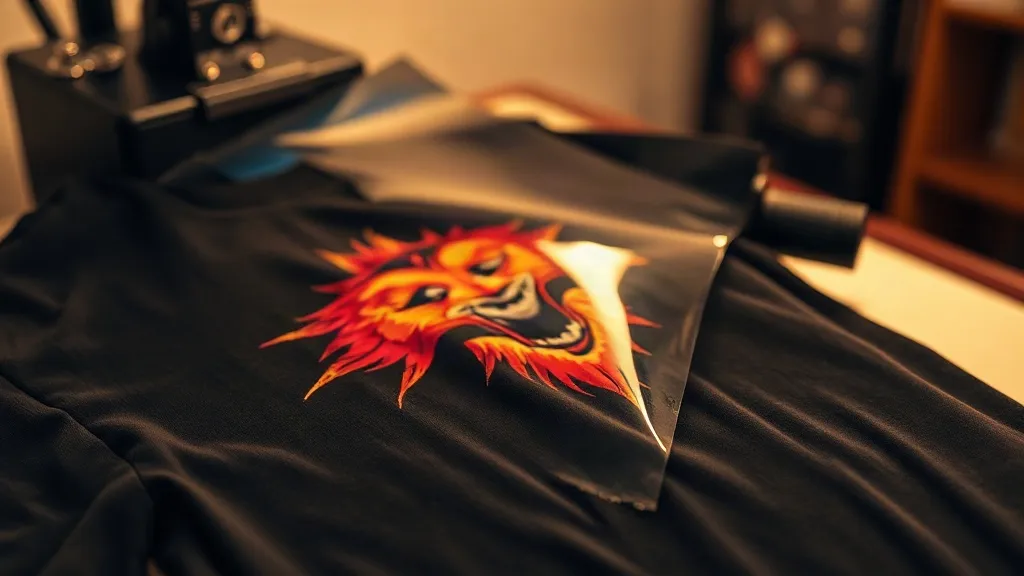
If you have ever tried to print a detailed, full-color design onto a dark cotton t-shirt, you know the frustration of limitations. Screen printing requires separate screens for every color, vinyl cutting struggles with gradients, and direct-to-garment printers often produce faded results on dark fabrics. Enter dtf, or direct-to-film printing, a technology that has rapidly become the go-to solution for apparel decorators who want vibrant, durable prints on almost any fabric. In this guide, we will walk through what DTF is, how it works, and why it might be the missing piece in your custom apparel workflow.
What Are DTF Transfers?
DTF transfers are printed designs on a special PET film that are then heat-pressed onto fabric. Unlike DTG, which prints directly onto the garment, DTF separates the printing and application steps. This two-step process opens up a world of possibilities: you can print on cotton, polyester, blends, and even nylon or leather. The design is first printed onto the film using a specialized printer with pigment inks, then a powder adhesive (often called hot-melt powder) is applied to the wet ink. After curing, the transfer is ready to be stored or immediately applied with a heat press.
The DTF Printing Process Step by Step
Understanding the process helps you troubleshoot and get consistent results. Here is how it typically goes:
- Design preparation: Create your artwork in a raster or vector program, then mirror it horizontally. DTF prints are transferred face-down, so mirroring is essential.
- Printing: The DTF printer lays down a layer of white ink first (for opacity), followed by CMYK colors. Some printers also add a protective layer.
- Powdering: While the ink is still wet, the film passes through a powder shaker that coats it with hot-melt adhesive. Excess powder is removed.
- Curing: The film goes through a curing oven or heat press to melt the powder, creating a dry, stable transfer.
- Application: The transfer is placed on the garment and pressed with a heat press at around 160°C (320°F) for 10-15 seconds. After cooling, the film is peeled off (cold peel).
Why DTF Stands Out from Other Printing Methods
Each printing method has its strengths and weaknesses. DTF shines in several areas:
- No pre-treatment: Unlike DTG, DTF does not require you to pre-treat the garment, saving time and avoiding chemical mess.
- Works on many fabrics: From 100% cotton to 100% polyester and blends, DTF adheres well. It even works on non-fabric items like canvas bags or leather patches.
- Vibrant colors and fine details: DTF can reproduce gradients, photographs, and fine lines with impressive accuracy.
- Cost-effective for small batches: No screens or setup fees mean you can produce one-off items profitably.
- Durability: When applied correctly, DTF prints resist cracking, peeling, and fading through many washes.
Choosing the Right DTF Supplies
The quality of your DTF transfers depends heavily on the supplies you use. Here is what to look for:
DTF Printer and Inks
Not all DTF printers are created equal. Look for a printer with a reliable printhead (such as Epson i3200 or Ricoh) and a white ink circulation system to prevent clogging. Pigment inks designed specifically for DTF yield better color vibrancy and adhesion. Using third-party inks can save money but may cause clogs or poor wash fastness.
PET Film
The film must be coated to accept the ink and release it cleanly during transfer. Thinner films (75-100 microns) are easier to handle and conform to fabric textures, while thicker films may be more durable but stiffer. Double-sided matte film is popular for its anti-static properties and smooth feeding.
Hot-Melt Powder
This adhesive is crucial for bonding the ink to the fabric. Powder particle size affects the feel and durability: finer powders (80-170 microns) create a softer hand feel but may require more careful application. Coarser powders are more forgiving but can leave a rougher texture.
How to Apply DTF Transfers for Best Results
Even the best transfer can fail if applied incorrectly. Follow these guidelines for professional-looking results:
- Pre-press the garment: Remove moisture and wrinkles by pressing for 5-10 seconds before applying the transfer.
- Set the right temperature and pressure: Typically 160°C (320°F) with medium to high pressure (40-60 psi).
- Press for 10-15 seconds: Too short and the adhesive won't fully activate; too long and the film may scorch.
- Cool completely before peeling: DTF is a cold peel, so wait until the transfer is cool to the touch. Peeling hot can cause the design to stretch or tear.
- Post-press for extra durability: Some operators do a second press with a Teflon sheet for 5 seconds to improve wash resistance.
Common Challenges and How to Solve Them
Like any technology, DTF has its quirks. Here are frequent issues and fixes:
- Clogged printhead: Regular maintenance and daily printing keep ink flowing. Use a cleaning solution and follow the manufacturer's routine.
- Poor adhesion: Ensure the powder is evenly applied and fully cured. Also check that the fabric is clean and dry.
- Color inconsistency: Calibrate your printer and use ICC profiles for accurate color reproduction.
- Film curling: Store film in a dry environment and avoid excessive heat. Curled film can jam the printer.
DTF vs. Other Printing Methods: A Quick Comparison
To help you decide if DTF is right for your business, here is how it stacks up against common alternatives:
- Screen Printing: Better for large orders of simple designs, but DTF wins for complex, multi-color jobs and small batches.
- DTG: DTG excels on 100% cotton but requires pre-treatment and often produces duller colors on dark shirts. DTF requires no pre-treatment and works on more fabrics.
- Heat Transfer Vinyl (HTV): HTV is great for simple text and single-color logos, but DTF handles full-color images and gradients with ease.
- Sublimation: Sublimation only works on polyester and light-colored fabrics; DTF works on almost anything.
Getting Started with DTF Transfers
If you are ready to add DTF to your offerings, start by evaluating your production volume and budget. A desktop DTF printer can be a great entry point, while larger shops may opt for industrial models. Many suppliers offer starter kits that include film, powder, and ink. Consider purchasing pre-printed transfers from a service like dtf transfers if you want to test the market before investing in equipment. This low-risk approach lets you focus on marketing and design while learning the application process.
Frequently Asked Questions About DTF Transfers
How long do DTF transfers last?
With proper application and care, DTF prints can last as long as the garment itself. They withstand repeated washing without cracking or fading, especially if you wash inside out in cold water and avoid high heat in the dryer.
Can I apply DTF transfers to dark colors?
Absolutely. DTF uses a white ink base, so colors remain vibrant on dark fabrics. This is one of its biggest advantages over DTG, which often requires a white underbase that can feel thick.
Do I need a special printer for DTF?
Yes, you need a DTF printer that uses pigment inks and has a white ink channel. Converting a regular printer is not recommended because the ink formulation and printhead design differ significantly.
What fabrics work best with DTF?
DTF adheres well to cotton, polyester, cotton-poly blends, nylon, and even leather. It is not ideal for fabrics with heavy coatings or waterproof finishes, as the adhesive may not bond properly.
Is DTF printing cost-effective for small businesses?
Yes, especially for small to medium runs. The lack of setup fees and the ability to print one-off designs make DTF a profitable option for custom apparel shops, promotional products, and online sellers.