
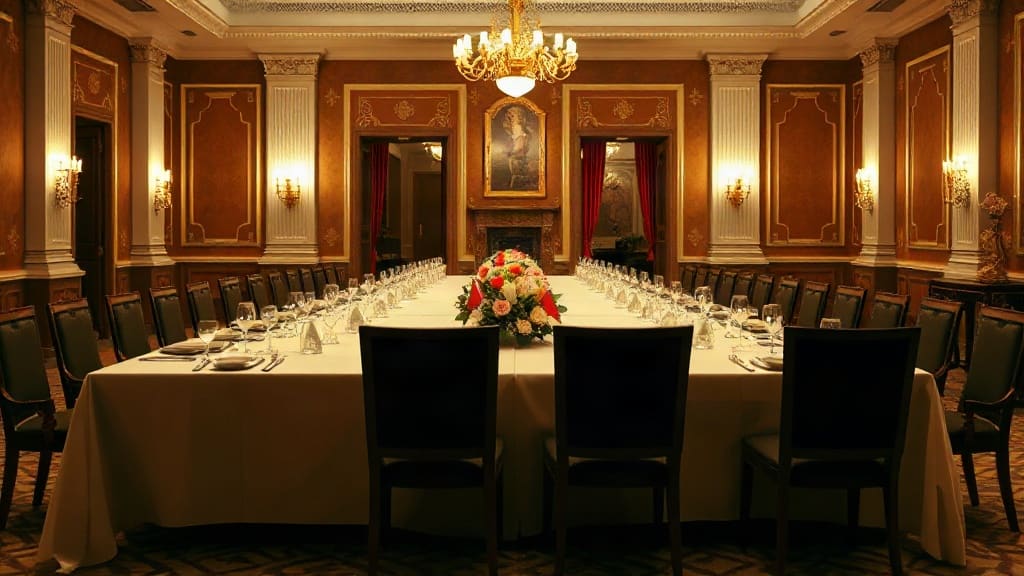
The clinking of glasses and polite smiles at the state dinner in Beijing masked a familiar reality: the leaders of the world's two largest economies remain far apart on the issues that matter most. President Donald Trump and President Xi Jinping exchanged warm words and gifts, but behind the diplomatic niceties, there was scant progress on trade, technology, and security. For businesses and investors, the lack of breakthroughs means continued uncertainty and a likely prolongation of the trade war that has already cost both economies billions.
A Dinner of Symbolism, Not Substance
State dinners are choreographed displays of goodwill, and this one was no exception. The menu featured delicacies from both nations, and the leaders toasted to friendship and cooperation. Yet, as the evening wore on, it became clear that the warm words would not translate into concrete agreements. According to officials familiar with the discussions, the two sides remained entrenched in their positions on intellectual property theft, forced technology transfer, and trade deficits. The dinner, while visually impressive, did little to bridge the gap.
This pattern is not new. Since the trade war began in 2018, rounds of talks have often been accompanied by optimistic rhetoric, only to end without a deal. The state dinner was another instance where symbolism overshadowed substance. For observers, the key takeaway is that the fundamental disagreements remain unresolved, and the risk of further escalation is real.
The Sticking Points: Trade, Tech, and Beyond
The US-China relationship is multifaceted, but three issues dominate the agenda: trade, technology, and geopolitical influence. Each is a potential flashpoint, and none showed signs of resolution after the dinner.
Trade: Tariffs and Deficits
The trade deficit with China was a central theme of Trump's campaign and presidency. Despite tariffs on over $350 billion worth of Chinese goods, the deficit has not shrunk as promised. In fact, it widened in some months as importers front-loaded orders to beat future tariffs. The dinner offered no hint that China would commit to specific purchase targets or structural reforms that the US demands. Without such commitments, the tariffs are likely to stay, and the cost will continue to be borne by American consumers and businesses.
For companies that rely on Chinese supply chains, the uncertainty is particularly damaging. Firms have had to absorb higher costs, delay investments, or relocate production. The lack of a deal means these pressures will persist, and some may be forced to make permanent changes to their operations.
Technology: The Battle for Supremacy
The technology rivalry between the US and China is perhaps the most consequential. The US has placed Huawei on its entity list, restricting its access to American components and software. China has responded by accelerating its own tech development and threatening to retaliate against US companies. The state dinner did nothing to ease these tensions. If anything, the two sides are digging in deeper.
The implications extend beyond the two countries. Global supply chains for semiconductors, 5G equipment, and other critical technologies are being reshaped. Allies are being forced to choose sides, and the risk of a bifurcated tech ecosystem is growing. For businesses, this means higher costs and reduced market access, regardless of where they are based.
Geopolitical Flashpoints: From the South China Sea to Hong Kong
Beyond economics, the US and China are at odds over a range of geopolitical issues. The South China Sea, where China's territorial claims conflict with those of its neighbors, remains a source of tension. The US conducts freedom of navigation operations, which China condemns as provocations. Hong Kong, where pro-democracy protests have been met with a heavy-handed response from Beijing, is another point of contention. The dinner did not address these issues, and they continue to fester.
These geopolitical tensions have real consequences for businesses. Companies operating in the region face reputational risks and operational challenges. For example, firms that do business in Hong Kong must navigate the unpredictable political environment, while those in the South China Sea face potential disruptions to shipping and supply chains.
What It Means for Businesses and Investors
The lack of progress at the state dinner is a signal that the US-China relationship will remain volatile. For businesses, this means planning for a prolonged period of uncertainty. Here are some practical steps to consider:
- Diversify supply chains: Reduce reliance on any single country by sourcing from multiple regions, such as Southeast Asia, Mexico, or Eastern Europe.
- Stay informed: Monitor policy changes and trade negotiations closely. Even small shifts can have outsized impacts on tariffs and regulations.
- Build financial buffers: Prepare for potential cost increases by maintaining healthy cash reserves and flexible budgets.
- Engage with policymakers: Through industry associations, advocate for clear and stable trade rules that benefit all parties.
- Consider localization: For companies with significant Chinese operations, evaluate the benefits of localizing production for the Chinese market to avoid tariffs and regulatory hurdles.
Investors should also take note. The trade war has already contributed to market volatility, and the absence of a resolution means this will continue. Sectors most exposed to China, such as technology, agriculture, and manufacturing, are likely to see continued turbulence. A diversified portfolio and a long-term perspective are essential.
The Road Ahead: No Quick Fix
Despite the warm words at the state dinner, the US-China relationship is likely to remain rocky. The structural issues at play, from intellectual property to technology transfer, are not easily resolved. Both leaders face domestic pressures that limit their flexibility. Trump, facing re-election, wants to show he is tough on China. Xi, facing slowing growth, cannot appear weak on the world stage.
Moreover, the bilateral relationship has become entangled in broader geopolitical dynamics. The US is increasingly viewing China as a strategic competitor, not just a trading partner. This shift is reflected in policies like the National Defense Authorization Act, which restricts the use of Chinese-made equipment in US government systems. China, for its part, is pursuing its own initiatives, such as the Belt and Road, which challenge US influence.
In this environment, a comprehensive deal is unlikely. Instead, we may see piecemeal agreements on specific issues, such as agricultural purchases or currency. But the fundamental conflicts will remain. For businesses, the key is to be agile and prepared for a range of scenarios.
Frequently Asked Questions
What exactly was achieved at the state dinner between Trump and Xi?
Despite the cordial atmosphere, no concrete agreements were reached. The dinner was primarily a symbolic gesture, with both leaders expressing a desire for better relations but failing to bridge their differences on trade, technology, and security.
Why is the US-China trade war so difficult to resolve?
The trade war involves deep-seated structural issues, including intellectual property theft, forced technology transfer, and state subsidies. These are not easily addressed through tariffs or short-term deals. Both countries have significant domestic political stakes, making compromise difficult.
How can businesses protect themselves from the ongoing trade tensions?
Businesses can diversify their supply chains, build financial buffers, stay informed about policy changes, and engage with industry associations to advocate for stable trade rules. Localizing production for the Chinese market is another strategy for those heavily invested there.
What are the potential long-term consequences of the US-China tech rivalry?
The tech rivalry could lead to a bifurcated global tech ecosystem, with separate standards and supply chains for the US and China. This would increase costs for businesses and consumers, slow innovation, and create geopolitical instability.
Is there any hope for a comprehensive trade deal in the near future?
Given the current political climate and the structural nature of the disputes, a comprehensive deal is unlikely in the near term. Instead, piecemeal agreements on specific issues may be possible, but the broader conflict will persist.