
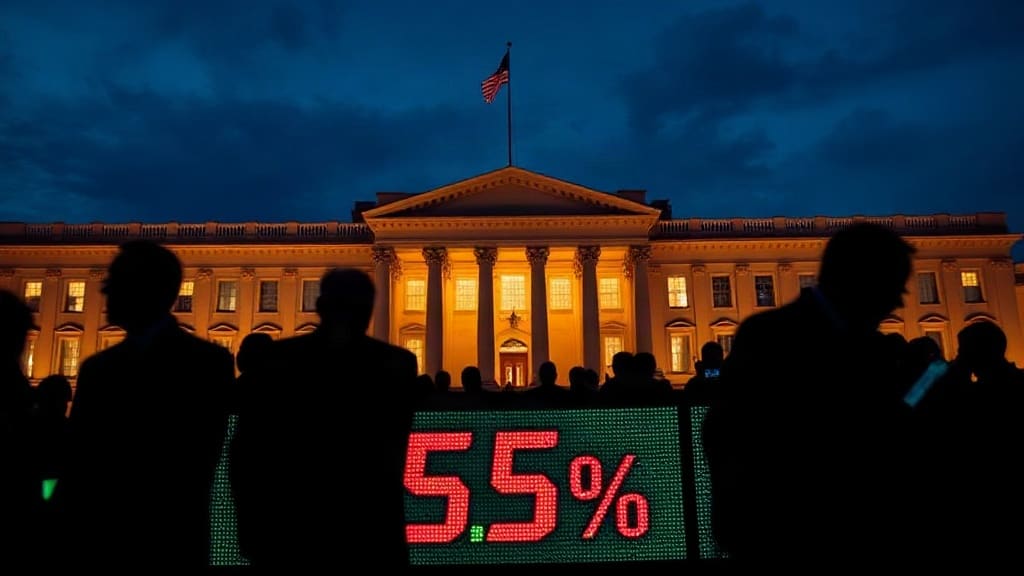
All eyes are on the U.S. Treasury market this week. The benchmark 10-year yield has been climbing steadily, and it's now flirting with a level that seemed almost unthinkable just a few months ago: 5%. That threshold was last touched briefly in October 2023, and its return is sending ripples through everything from mortgage rates to stock valuations. The timing is no accident, either. The Federal Reserve is set to announce its latest interest rate decision, and the bond market is doing what it does best—pricing in expectations before the news even hits the tape.
For investors and everyday borrowers alike, the move matters. Treasury yields are the foundation of global finance. When they rise, borrowing costs climb, bond prices fall, and the calculus for risk assets shifts. But not all yield spikes are created equal. The reason behind the move matters just as much as the number itself. And right now, the drivers are a mix of resilient economic data, stubborn inflation, and a Fed that's still keeping its cards close to the chest.
What's Pushing Yields Higher?
The recent climb in yields isn't happening in a vacuum. A confluence of factors is at play, and each one reinforces the others.
Strong Economic Data Keeps Defying Expectations
The U.S. economy has repeatedly surprised to the upside. Job growth remains solid, consumer spending is holding up, and business activity continues to expand. When the economy runs hotter than expected, investors demand higher yields to compensate for the risk that inflation could reaccelerate. It's a classic dynamic: strong growth can be good for corporate earnings, but it also means the Fed may need to keep rates higher for longer.
Inflation Is Sticky, Not Vanquished
Inflation has come down from its 2022 peak, but the last mile has been frustratingly slow. Core inflation, which strips out volatile food and energy prices, remains above the Fed's 2% target. Recent data suggests that price pressures in services and housing are proving more persistent than many forecasters expected. Sticky inflation is a key driver because it reduces the likelihood of aggressive rate cuts and keeps upward pressure on yields.
Supply and Demand Dynamics in the Treasury Market
The U.S. government is issuing a substantial amount of debt to finance its budget deficit. At the same time, some traditional buyers, like foreign central banks and certain domestic institutions, have been less aggressive. This mismatch can push yields higher as the market demands a greater premium to absorb the supply. It's a structural factor that's been building for years and is now more visible in the current environment.
Why the 5% Level Matters
The 5% threshold on the 10-year Treasury is psychologically significant, but it also has real economic consequences. The last time yields approached this level, in October 2023, stock markets wobbled and mortgage rates surged to multi-decade highs. A sustained move above 5% would likely trigger another round of repricing across asset classes.
For the housing market, the impact is direct. Mortgage rates tend to track the 10-year yield closely. A yield near 5% could push the average 30-year fixed mortgage rate back above 7%, further straining affordability. For corporations, higher yields mean higher borrowing costs, which can weigh on profit margins and investment plans. And for the federal government, higher yields translate into larger interest payments on the national debt, which compounds fiscal pressures over time.
What to Expect from the Fed
The Federal Reserve's rate decision this week is the main event. Markets are overwhelmingly expecting the central bank to hold rates steady, but the real action will be in the statement, the updated economic projections, and Chair Powell's press conference. Traders will be parsing every word for hints about the path forward.
There's a growing debate about whether the Fed is done hiking or if another increase is still on the table. The bond market's move toward 5% suggests that investors are preparing for a scenario where rates stay elevated for an extended period. Higher for longer has become the market's base case, and that's reflected in the yield curve.
The Yield Curve and Recession Signals
One of the most closely watched indicators in finance is the shape of the yield curve. Typically, longer-term yields are higher than short-term yields, reflecting the risk of lending money for a longer period. When the curve inverts—meaning short-term yields exceed long-term yields—it's often seen as a warning sign of recession. The curve has been inverted for a long time now, but it's been steepening recently as long-term yields rise. This dynamic is sometimes called a "bear steepener," and it can signal that markets are worried about inflation or fiscal sustainability rather than an imminent economic downturn.
However, the current situation is nuanced. The rise in long-term yields could also reflect a normalization of the curve after a prolonged period of inversion. If the Fed is indeed done hiking, short-term yields may stabilize, and the curve could continue to steepen without signaling a recession. Investors should be careful not to read too much into any single indicator.
Implications for Different Asset Classes
Higher Treasury yields ripple through the entire investment landscape. Here's a quick look at how major asset classes are affected:
- Stocks: Higher yields make bonds more attractive relative to equities, especially for income-focused investors. Growth stocks, which are valued based on future earnings, tend to be more sensitive to rising yields. Value stocks and companies with strong cash flows may hold up better.
- Bonds: Bond prices fall as yields rise. Investors holding long-duration bonds have already felt the pain. However, higher yields also mean higher future returns for those willing to lock in current rates.
- Real Estate: Higher mortgage rates dampen housing demand and can pressure real estate investment trusts (REITs) that rely on borrowing. However, some property sectors with strong rental growth may be more resilient.
- Commodities: The relationship is complex. Higher yields can strengthen the dollar, which tends to weigh on commodity prices. But if higher yields reflect strong demand, commodities may benefit from the same economic strength.
What Investors Can Do Now
In an environment of rising yields and Fed uncertainty, a balanced approach is key. Here are a few practical steps investors might consider:
- Review bond allocations: With yields near multi-year highs, bonds are offering more attractive income than they have in years. This could be a good time to reassess your fixed-income exposure and consider locking in higher yields.
- Diversify across asset classes: No one knows exactly where yields will go next. Diversification helps manage risk if the market moves unexpectedly.
- Focus on quality: In a higher-rate environment, companies with strong balance sheets and consistent cash flows tend to be more resilient. Similarly, high-quality bonds are less likely to default.
- Stay informed: The Fed's messaging can shift quickly. Keep an eye on economic data and central bank communications, but avoid making knee-jerk reactions to every headline.
The Bigger Picture
The move toward 5% on the 10-year Treasury is a reminder that the era of ultra-low interest rates is behind us. For more than a decade, investors grew accustomed to cheap money and low yields. That regime has changed, and markets are still adjusting. The transition is rarely smooth, but it also presents opportunities for those who are prepared.
As the Fed prepares to announce its decision, the bond market is sending a clear message: it expects rates to remain elevated, and it's demanding higher compensation for the risks ahead. Whether that message proves prescient or overly pessimistic remains to be seen. But one thing is certain: the era of 5% Treasury yields is no longer a distant memory—it's a live possibility, and its implications will be felt far beyond Wall Street.
Frequently Asked Questions
Why are Treasury yields rising now?
Treasury yields are rising due to a combination of strong economic data, persistent inflation, and increased government borrowing. Investors are demanding higher yields to compensate for the risk that inflation remains elevated and the Fed keeps rates higher for longer.
What does a 5% 10-year Treasury yield mean for the economy?
A 5% yield on the 10-year Treasury raises borrowing costs across the economy, affecting mortgages, auto loans, and corporate debt. It can slow economic growth by making credit more expensive, but it also reflects a robust economy that can withstand higher rates.
How does the Fed's rate decision affect Treasury yields?
The Fed's rate decision influences short-term interest rates directly, but long-term yields like the 10-year are driven by expectations of future inflation and economic growth. If the Fed signals it will keep rates high for longer, long-term yields may rise in response.
Should I buy bonds when yields are near 5%?
Bonds with yields near 5% offer attractive income relative to recent history. However, bond prices can still fall if yields rise further. Investors should consider their time horizon and risk tolerance. Locking in current yields can be beneficial for those with a longer-term outlook.
Is a 5% Treasury yield a signal of recession?
Not necessarily. While high yields can slow economic activity, they often reflect a strong economy with inflationary pressures. The shape of the yield curve and other indicators should be considered together. A steepening curve with rising long-term yields is not a classic recession signal.