
The cost of living squeeze just got tighter. Official figures released this morning show the UK's inflation rate climbed to 3.1% in September, up from 2.9% in August and the highest level in almost a decade. The main culprit? A surge in fuel prices that has sent shockwaves through everything from the family budget to the Bank of England's policy room.
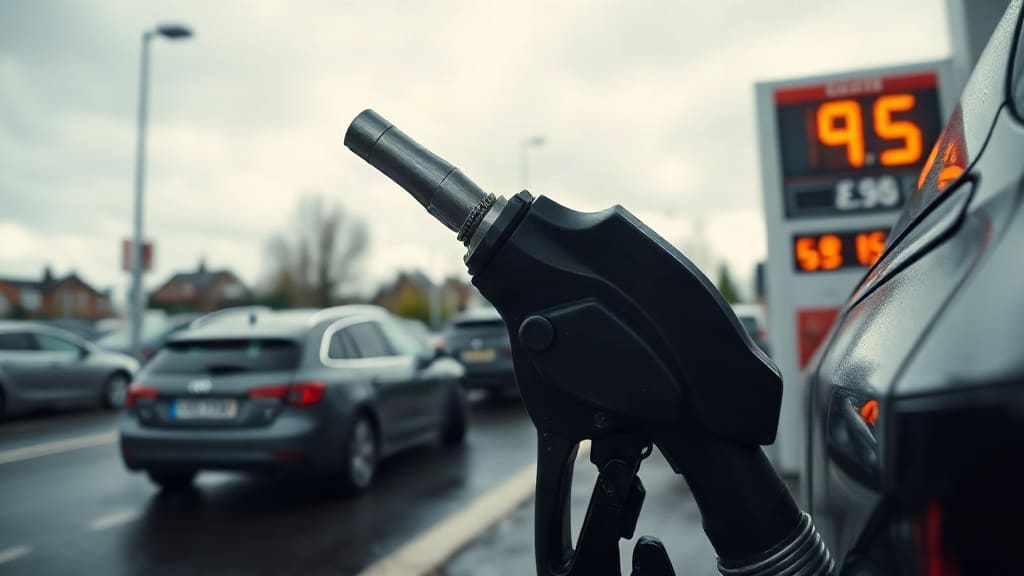
If you've filled up your car recently, you'll already know the pain. Petrol prices have jumped by the largest annual amount since 2010, with the average cost of a litre now hovering around 136 pence. Diesel is even pricier. But it's not just at the pump where the impact is being felt. Higher transport costs are rippling through supply chains, pushing up the price of goods on supermarket shelves and squeezing disposable incomes at a time when many households are still recovering from the pandemic.
What's driving the surge in fuel prices?
The story behind the numbers is a classic tale of supply and demand. As the global economy reopened, demand for energy rebounded sharply. But supply hasn't kept pace. A combination of factors, including production cuts by major oil-producing nations, a shortage of natural gas that has spilled over into oil markets, and logistical bottlenecks, has created a perfect storm. In the UK, the situation was exacerbated by a shortage of HGV drivers, which led to panic buying at petrol stations in late September, further driving up prices.
According to the Office for National Statistics, the price of motor fuels rose by 22.5% in the year to September, the largest increase since 2010. This alone added nearly 0.5 percentage points to the headline inflation rate. But it's not just fuel. The cost of second-hand cars, household goods, and eating out all rose as well, reflecting broader supply chain disruptions and labour shortages.
The impact on households
For millions of families, this isn't just an abstract statistic. It's a real hit to their standard of living. Wages are growing, but not fast enough to keep up with inflation. According to the latest data, average earnings rose by 5.6% in the three months to August, but once you strip out the effects of furlough and other distortions, the real increase is closer to 3.4%. That means many workers are effectively seeing their pay cut in real terms.
Take the example of a typical family with two cars and a weekly shop. If they were spending £80 a week on petrol before the crisis, they're now paying closer to £100. Over a year, that's an extra £1,000 just to keep the cars running. Add in higher energy bills (which are set to rise again in October), and the squeeze becomes even tighter. For lower-income households, who spend a larger proportion of their income on essentials like fuel and food, the impact is disproportionately severe.
What does this mean for interest rates?
The Bank of England has a target of keeping inflation at 2%. With the rate now at 3.1% and likely to rise further in the coming months, pressure is mounting on policymakers to act. However, the Bank has so far taken a cautious approach, arguing that the current spike is largely due to temporary factors that will fade over time. But as inflation expectations become embedded, the risk of a more persistent problem grows.
Financial markets are now pricing in a high probability of an interest rate hike before the end of the year. If the Bank does move, it would be the first increase since the start of the pandemic. But raising rates too quickly could choke off the economic recovery. It's a delicate balancing act, and one that will be closely watched by businesses and homeowners alike. For those with variable-rate mortgages, a rate rise would mean higher monthly payments, adding to the cost-of-living burden.
The bigger picture: a global phenomenon
The UK is not alone in facing rising inflation. In the United States, consumer prices rose by 5.4% in September, the fastest pace in 13 years. The eurozone is also seeing inflationary pressures, with energy costs a major driver. Central banks around the world are grappling with the same dilemma: how to support economic recovery while preventing inflation from spiralling out of control.
One key difference in the UK is the impact of Brexit. The end of free movement has exacerbated labour shortages in sectors like transport and hospitality, pushing up wages and, in turn, prices. The shortage of HGV drivers is a case in point. Many drivers returned to their home countries in the EU after Brexit, and the pandemic made it harder to recruit new ones. The result has been empty shelves, delayed deliveries, and higher costs that are ultimately passed on to consumers.
But it's not all doom and gloom. Some economists argue that the current spike will prove temporary. As supply chains adjust and energy prices stabilise, inflation is expected to ease back towards the 2% target by late 2022. The Bank of England's own forecasts suggest a peak of around 4% in the coming months, followed by a gradual decline. However, there are significant uncertainties, not least the trajectory of energy prices and the evolution of the pandemic.
What can households do?
In the meantime, there are steps you can take to mitigate the impact of rising prices. Here are a few practical tips:
- Shop around for fuel: Use apps like PetrolPrices to find the cheapest petrol station in your area. Even a few pence per litre can add up over a year.
- Review your energy tariff: If you're on a standard variable tariff, you're likely paying more than you need to. Consider switching to a fixed deal, but be aware that many of the cheapest deals have been withdrawn.
- Cut back on non-essential spending: Look at your monthly subscriptions and see where you can trim. Every little helps when prices are rising.
- Consider a salary sacrifice scheme: If your employer offers one, you can save on tax and National Insurance by sacrificing part of your salary for benefits like childcare vouchers or a cycle-to-work scheme.
It's also worth keeping an eye on your savings. With inflation at 3.1%, the value of cash in a standard savings account is eroding in real terms. Even the best easy-access accounts are paying less than 1% interest. If you have money you can afford to lock away, consider a fixed-rate bond or an inflation-linked savings product. But be sure to shop around and understand the risks.
Conclusion
The rise in UK inflation to 3.1% is a wake-up call. It's a reminder that the economic recovery from the pandemic is uneven and that the cost of living is a real concern for millions of people. While some of the drivers are temporary, the impact on households is immediate and tangible. As the Bank of England weighs its options, the coming months will be crucial. For now, the best advice is to stay informed, review your finances, and be prepared for further price increases. The road ahead may be bumpy, but with careful planning, you can navigate it.
Frequently Asked Questions
Why are fuel prices so high in the UK?
Fuel prices have surged due to a combination of global supply constraints, increased demand as economies reopen, and local factors such as the shortage of HGV drivers. The price of crude oil has risen sharply, and this is passed on to consumers at the pump.
How does rising inflation affect my savings?
Inflation erodes the purchasing power of your money. If your savings are earning less than the inflation rate (currently 3.1%), the real value of your savings is falling. To protect your money, consider higher-interest accounts or inflation-linked investments, but be aware of the risks.
Will the Bank of England raise interest rates soon?
Financial markets expect a rate hike before the end of 2021, but the Bank has not committed to a timetable. It is balancing the need to curb inflation against the risk of slowing the economic recovery. A rate rise would increase borrowing costs for mortgages and loans.
Is this inflation temporary or permanent?
Most economists believe the current spike is largely temporary, driven by supply chain disruptions and energy prices. However, there is a risk that it could become more persistent if inflation expectations become embedded. The Bank of England will be watching closely.
What can I do to reduce my fuel costs?
You can save on fuel by driving more efficiently, using apps to find cheaper petrol stations, and considering alternatives like public transport, cycling, or carpooling. Regular vehicle maintenance, such as checking tyre pressure, can also improve fuel efficiency.