
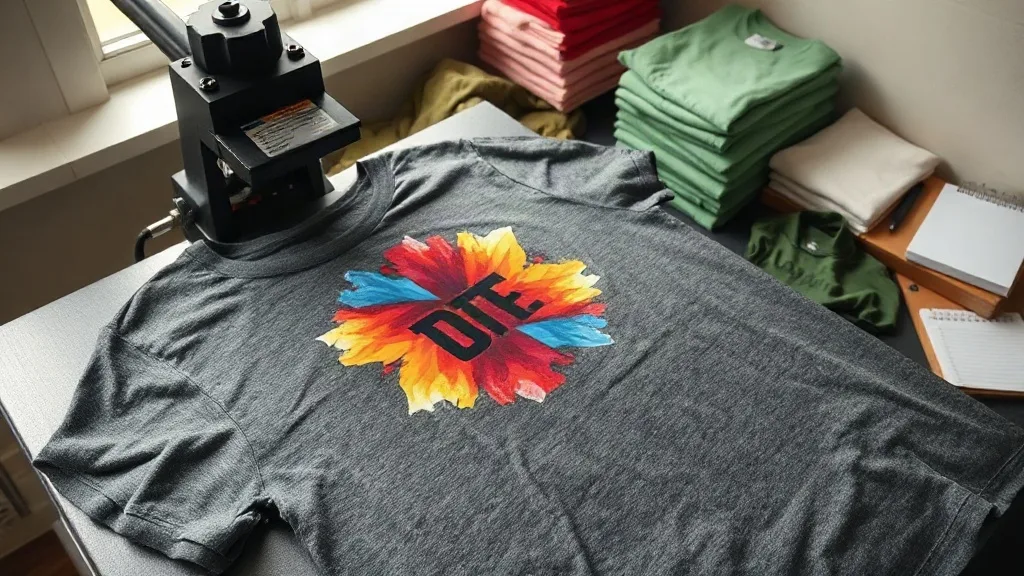
Walk into any print shop that has been running DTF transfers for a while, and you will notice something: the owners are picky about their blanks. Not because they enjoy being difficult, but because they have learned that the difference between a print that customers rave about and one that peels after three washes often comes down to the garment underneath. Two names that keep coming up in those conversations are shaka wear and smart blanks. Both have earned a reputation among small apparel brands and custom printers for consistent quality, fair pricing, and fabric that plays nicely with heat transfers. In this guide, we will break down what makes these blanks worth your attention and how to get the most out of them in a DTF workflow.
Why the Blank Matters More Than You Think
DTF printing has democratized custom apparel. You no longer need a full screen-printing setup to produce short runs of vibrant, full-color designs. But that accessibility has also led to a flood of low-quality blanks on the market, and not all of them are created equal. A poor-quality blank can cause ink to crack, colors to dull, or the transfer to fail entirely during application. The fabric composition, weight, and finish all influence how the adhesive powder bonds and how the final print feels and wears.
Shaka Wear and Smart Blanks have built their reputations on addressing these very issues. They offer garments that are substantial enough to hold a detailed DTF print without feeling stiff, and their consistent sizing and color matching make them a reliable choice for repeat orders. When you find a blank that works, you stick with it, and that is exactly what many print shops have done.
Shaka Wear: The Streetwear Staple
shaka wear has become a go-to for streetwear brands and anyone producing heavyweight tees and hoodies. Their garments are known for a boxy, modern fit and a fabric weight that feels premium in hand. For DTF printing, this weight is a major advantage. A heavier cotton or cotton-poly blend provides a stable surface that absorbs the transfer evenly, reducing the risk of wrinkling or shifting during pressing.
Fabric Composition and DTF Compatibility
Most Shaka Wear blanks are made from 100% cotton or a cotton-polyester blend. Cotton offers excellent adhesion for DTF transfers, and the prints tend to feel soft and integrated into the fabric. Polyester blends, on the other hand, can sometimes require a bit more attention during pressing because the synthetic fibers may react differently to heat. However, Shaka Wear's blends are formulated to be heat-friendly, and many printers report excellent results with a standard 320°F press for 15 seconds. The key is to pre-press the garment to remove moisture and wrinkles, then apply the transfer with consistent pressure.
Popular Styles for Custom Printing
Shaka Wear's lineup includes crewneck tees, hoodies, and long sleeves, all with the brand's signature relaxed fit. The heavyweight tees are particularly popular for DTF because they provide a smooth canvas for large, detailed graphics. The hoodies, with their dense fleece and sturdy construction, are ideal for bold front or back prints that need to withstand frequent wear. If you are building a streetwear line, Shaka Wear offers the silhouette and durability that customers expect.
Smart Blanks: The Versatile Workhorse
While Shaka Wear leans into streetwear aesthetics, smart blanks covers a broader range of styles and price points without sacrificing quality. Smart Blanks is known for offering a wide selection of tees, tanks, and polos that cater to both budget-conscious projects and premium lines. Their garments are consistently cut and sewn, which means you can order the same style repeatedly and get the same fit and color.
Consistency Across Orders
One of the biggest headaches in custom apparel is color variation between dye lots. Smart Blanks has addressed this by maintaining tight quality control, so the navy you ordered last month matches the navy you order today. For DTF printing, this consistency is crucial because the transfer colors are printed on a transparent film and then pressed onto the garment. If the garment color shifts, the final look can change dramatically. Smart Blanks' reliable color matching takes the guesswork out of reorders.
Choosing the Right Fabric for Your Design
Smart Blanks offers both 100% cotton and poly-blend options. For DTF, cotton remains the most forgiving choice, especially for beginners. The ink adheres well, and the print retains its vibrancy after multiple washes. Poly blends can be used successfully too, but you may need to adjust your press settings slightly. A lower temperature or shorter dwell time can prevent the polyester from scorching or the transfer from over-bonding. Always run a test press on a scrap piece of the same fabric before committing to a full run.
Practical Tips for DTF Printing on These Blanks
Even with high-quality blanks, the success of your DTF transfer depends on your technique. Here are some field-tested tips from print shops that regularly use Shaka Wear and Smart Blanks.
- Pre-press the garment: A quick 5-second press at 320°F removes moisture and wrinkles, creating a smooth surface for the transfer.
- Use a heat press, not an iron: Consistent pressure and temperature are non-negotiable for DTF. An iron cannot provide the even pressure needed for proper adhesion.
- Peel at the right temperature: Most DTF transfers are cold-peel, meaning you wait until the film cools completely before peeling. This prevents the ink from stretching or tearing.
- Post-press for durability: After peeling, a second press for 5-10 seconds with a Teflon sheet or parchment paper helps the ink settle into the fabric fibers.
- Wash inside out: Advise your customers to wash inside out in cold water and tumble dry low. This simple step dramatically extends the life of the print.
Building a Cohesive Custom Apparel Line
If you are producing a collection, mixing Shaka Wear and Smart Blanks can give you a versatile range. Use Shaka Wear for your hero pieces, such as heavyweight tees and hoodies that carry bold graphics, and Smart Blanks for basics like tanks and lighter tees that round out the line. Both brands offer a solid color palette, so you can create a cohesive look across different styles. The key is to order samples first, test your DTF transfers on each fabric, and dial in your press settings before going into full production.
Frequently Asked Questions
Can I use DTF transfers on 100% polyester Shaka Wear or Smart Blanks garments?
Yes, but you need to adjust your press settings. Polyester is more heat-sensitive, so use a lower temperature (around 280-300°F) and a shorter press time (8-10 seconds). Always pre-test on a scrap to avoid scorching or dye migration.
How do I prevent DTF prints from cracking on these blanks?
Cracking usually happens when the transfer is under-pressed or the garment is stretched during peeling. Make sure you use firm, even pressure and allow the transfer to cool completely before peeling. Also, choose a high-quality DTF film and powder, and store transfers properly before use.
Which Shaka Wear style is best for large back prints?
The heavyweight crewneck tees and hoodies are ideal for large back prints because their dense fabric provides a smooth, stable surface. The boxy fit also gives you plenty of room for oversized graphics without the print wrapping around the sides.
Are Smart Blanks true to size?
Smart Blanks generally run true to size, but it is always best to check the specific style's size chart. Some of their fashion-fit tees may run slightly slimmer, so ordering a sample is recommended before placing a bulk order.
How should I care for DTF-printed apparel to make it last?
Turn the garment inside out and wash in cold water on a gentle cycle. Avoid bleach and fabric softeners, and tumble dry on low or hang dry. Following these care instructions will keep the print vibrant and prevent premature fading or peeling.