
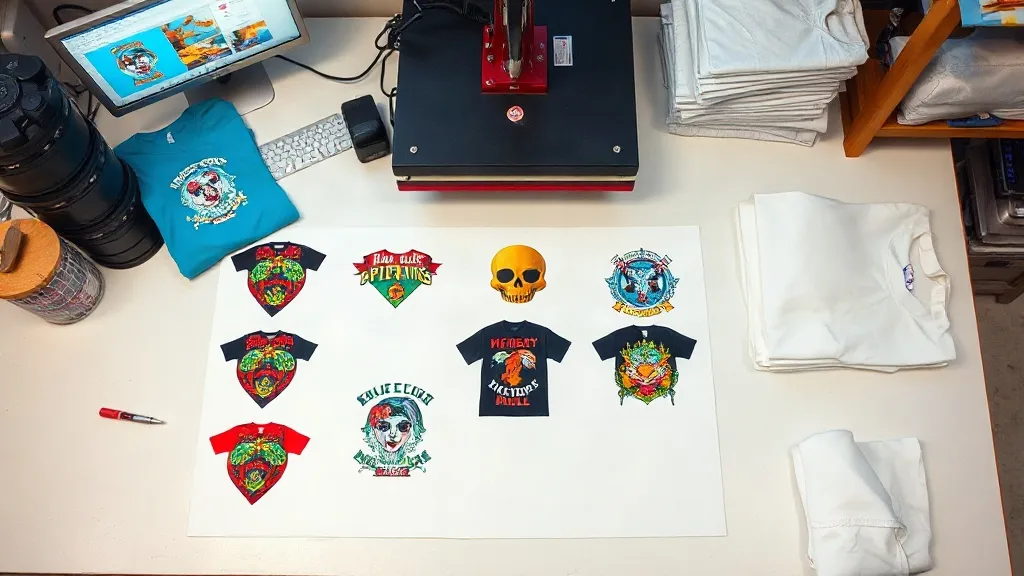
If you run a small apparel brand, you know the struggle: you want vibrant, durable prints, but traditional screen printing can be costly for short runs, and vinyl can be time-consuming. Enter the DTF Gangsheet, a game-changer for print-on-demand and small-batch production. In this guide, we'll explore how gangsheets work, why they're ideal for emerging brands, and how to use them effectively to grow your business without breaking the bank.
What Is a DTF Gangsheet?
A DTF (Direct-to-Film) gangsheet is a single sheet of transfer film that holds multiple designs, arranged efficiently to maximize space. Instead of printing one design at a time, you can fill the sheet with various graphics, colors, and sizes, then transfer them onto garments in one go. This approach drastically reduces waste and per-unit costs, making it perfect for small brands that need variety without large minimums.
How DTF Printing Works
DTF printing involves printing your design onto a special film, applying a powder adhesive, and then heat-pressing it onto fabric. The result is a soft, stretchable print that adheres to cotton, polyester, blends, and even nylon. Gangsheets take this process further by allowing you to combine multiple designs on one film sheet, streamlining production.
Why Small Brands Love DTF Gangsheets
For startups and small businesses, every dollar counts. Gangsheets offer several advantages that align perfectly with the needs of lean operations.
Cost Efficiency
By maximizing film usage, you pay less per print. Instead of ordering separate transfers for each design, you can fill a sheet with your entire product line, reducing material waste and shipping costs. This is especially beneficial when you have limited capital and need to test multiple designs.
Design Flexibility
Want to offer a range of sizes, colors, and styles? A gangsheet lets you mix and match without committing to large quantities of a single design. You can produce small batches of each variant, gauge customer interest, and scale up your bestsellers.
Time Savings
With a gangsheet, you prepare one file, print once, and press multiple garments in a single session. This batch processing saves hours compared to printing individual transfers, freeing you to focus on marketing and customer service.
How to Create an Effective DTF Gangsheet
Creating a gangsheet isn't just about cramming designs together; it requires planning to ensure quality and efficiency. Follow these steps to make the most of your film.
1. Plan Your Layout
Use design software to arrange your graphics on the sheet dimensions (common sizes are 11x17, 13x19, or 22x24 inches). Leave a small margin between designs to avoid cutting errors. Group similar colors together to streamline the printing process and reduce ink changes.
2. Optimize for Cutting
Add cut lines or registration marks to guide trimming. A rotary cutter or scissors works fine, but a cutting machine can speed things up for high volumes. Ensure each design has a clear outline to avoid accidental cuts into the print.
3. Choose the Right Film
Not all DTF films are created equal. Look for films that offer excellent ink absorption and release. A quality film ensures vibrant colors and smooth transfer without cracking. Test different brands to find one that suits your printer and climate.
4. Mind the Resolution
Print at 300 DPI or higher to maintain sharp details. Low-resolution images may look fine on screen but turn pixelated when printed. Always use vector graphics or high-res raster images for the best results.
Common Mistakes to Avoid with DTF Gangsheets
Even experienced printers can slip up. Here are pitfalls to watch for and how to sidestep them.
Overcrowding the Sheet
While it's tempting to fill every inch, leaving a little breathing room prevents ink smudging and makes cutting easier. Overcrowding can also cause the film to warp during printing.
Ignoring Fabric Compatibility
DTF works on many fabrics, but some (like certain nylons) may require lower pressing temperatures. Always test a small piece before committing to a full batch. Also, consider the fabric color: DTF prints are opaque, but a white underbase can improve vibrancy on dark garments.
Neglecting Storage
DTF transfers should be stored in a cool, dry place away from direct sunlight. Humidity can cause the powder to clump, affecting adhesion. Use airtight containers or bags for long-term storage.
Maximizing Profit with DTF Gangsheets
For small brands, profitability hinges on controlling costs and pricing strategically. Here's how gangsheets contribute to a healthier bottom line.
Reduce Per-Unit Costs
By printing multiple designs on one sheet, you lower the cost per transfer. This savings can be passed on to customers or reinvested in marketing. Calculate your cost per print by dividing the total sheet cost (film, ink, powder) by the number of designs.
Offer More Variety
Customers love choices. With gangsheets, you can afford to offer more designs, colors, and sizes without holding excess inventory. This agility lets you respond to trends quickly and keep your product line fresh.
Scale Gradually
Start with small gangsheets to test the market, then increase sheet size as demand grows. This incremental approach minimizes risk and allows you to refine your designs based on feedback.
Real-World Example: A Small Brand's Success
Consider a hypothetical streetwear brand that launched with five t-shirt designs. By using a 13x19 gangsheet, they fit all five designs (in various sizes) on one sheet, producing 20 shirts in under an hour. The cost per shirt dropped by 40% compared to ordering individual transfers. Within three months, they expanded to hoodies and totes, all using the same gangsheet approach. This flexibility helped them grow without large upfront investments.
Frequently Asked Questions
What sizes do DTF gangsheets come in?
Common sizes include 11x17, 13x19, and 22x24 inches, but you can also find custom sizes. The best size depends on your printer's capabilities and your typical order volume. Smaller sheets are great for testing, while larger sheets maximize efficiency for bulk orders.
Can I mix different fabric types on one gangsheet?
Yes, the gangsheet itself is just the transfer film. You can apply different designs to various fabrics as long as you adjust pressing settings accordingly. However, it's wise to group similar fabrics in one pressing session to save time.
How long do DTF transfers last on garments?
When properly applied and cared for, DTF prints can last 50+ washes without fading or cracking. Use gentle cycles and avoid harsh detergents. Turning the garment inside out before washing also helps preserve the print.
Do I need a special printer for DTF gangsheets?
You need a DTF printer that uses pigment ink and can handle the film. Many converted inkjet printers work, but dedicated DTF printers offer better reliability. If you're just starting, consider outsourcing to a DTF service until volume justifies in-house printing.
How do I price products made with DTF gangsheets?
Calculate your total cost per sheet (including film, ink, powder, and labor), divide by the number of designs, and add your desired profit margin. Also factor in garment cost and overhead. Aim for a competitive price that reflects the quality of your prints.
DTF gangsheets are more than a trend; they're a practical tool for small apparel brands looking to produce high-quality custom garments efficiently. By understanding how to plan, print, and apply gangsheets, you can reduce costs, expand your offerings, and keep customers coming back. Ready to give it a try? Start with a small sheet, experiment with layouts, and watch your brand grow.