
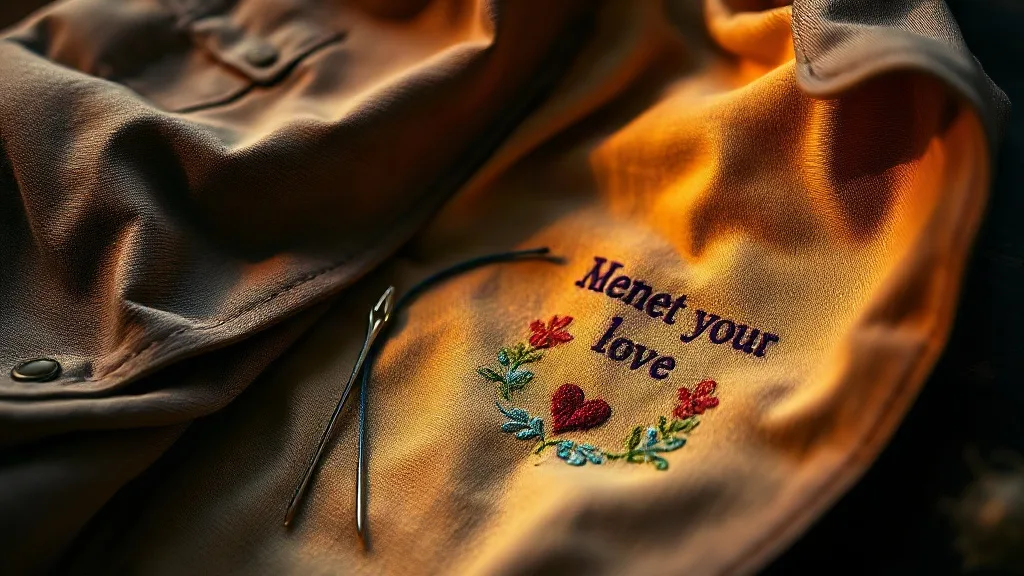
Walk into any high-end boutique today and you might notice something unusual: the lack of flashy logos. Instead, fashion's most sought-after pieces are hiding their stories on the inside. A secret embroidery under a collar, a love letter stitched into a lining, or a playful doodle on a pocket square. This isn't a coincidence. After years of logomania, designers are pivoting to a quieter, more intimate form of luxury: personalization that speaks only to the wearer.
The shift has been building for seasons, but it crystallized recently when whispers surfaced about a certain Hollywood director's secret involvement in a Chanel creation. While the details remain hush-hush, the rumor alone sparked conversations about how fashion houses are weaving personal narratives into their products. It's not just about custom monograms anymore; it's about embedding meaning that goes beyond the surface.
The End of the Logo Era?
For decades, luxury was synonymous with visible branding. The interlocking Gs, the double C, the medusa head—these symbols signaled status and belonging. But as streetwear giants and fast-fashion knockoffs flooded the market with logo-covered everything, the allure began to fade. Consumers, particularly younger ones, started craving authenticity over advertising. They wanted pieces that felt like theirs, not like a billboard.
Enter the era of stealth wealth and quiet luxury. Brands like Bottega Veneta and The Row championed understated elegance, but now the pendulum is swinging further: it's not just about removing logos; it's about adding personal touches that are invisible to the outside world. Personalization has become the new status symbol, a way to signal that you're not just buying a product, but a story.
From Monograms to Hidden Messages
Monogramming has long been the entry point to personalization—think initials on a Louis Vuitton bag or a embroidered shirt cuff. But today's iterations are more creative and less showy. Some brands offer to embroider a date, a coordinate, or even a tiny illustration in a hidden spot. Others go further, inviting customers to co-create designs that reflect their personal journeys.
Take the recent trend of 'love letter' linings. Several ateliers now offer to stitch handwritten notes or meaningful quotes inside jackets and bags, visible only to the owner. It's a way to carry a private message, a secret shared between maker and wearer. This level of intimacy transforms a purchase into a keepsake, something to be treasured rather than merely displayed.
Why Personalization Matters Now
Several forces are driving this shift. First, the experience economy: consumers value experiences over things, and personalization turns a product into an experience. Second, the desire for connection: in a digital world, tangible, human touches feel rare and precious. Third, sustainability: personalized items are less likely to be discarded, as they hold emotional value.
Brands are responding with services that range from simple embroidery to full bespoke commissions. Chanel, for instance, has long offered alterations and custom touches, but recent rumors suggest they're exploring even more secretive personalization options. Meanwhile, younger labels are building personalization into their business models from day one, using technology to offer customization at scale without losing the handcrafted feel.
The Role of Technology
Technology is enabling this new wave of personalization in surprising ways. 3D knitting allows for seamless custom fits; digital embroidery machines can replicate handwriting; and blockchain can authenticate one-of-a-kind pieces. But the most successful brands use tech behind the scenes, keeping the human touch front and center. The goal is to make the process feel seamless and magical, not robotic.
The Psychology of Personal Touches
Why do these hidden details resonate so deeply? According to consumer psychologists, personalization fulfills a basic human need for uniqueness and belonging. When a product carries a personal mark, it becomes an extension of the self. It also creates a bond with the brand: the customer feels seen and valued, which fosters loyalty.
Moreover, the secret nature of these details adds a layer of intrigue. It's like belonging to a private club, where only you and the maker know the story behind the piece. This exclusivity is powerful in an age where everything is shared online. It gives the wearer a sense of control and privacy.
What This Means for the Industry
As personalization becomes more prevalent, it could reshape the luxury landscape. Brands that master it may gain a competitive edge, while those that stick to traditional models risk appearing out of touch. However, scaling personalization is challenging: it requires skilled artisans, efficient processes, and a deep understanding of customer desires. The brands that succeed will be those that can balance craftsmanship with innovation.
For consumers, the message is clear: fashion is becoming more about you and less about the label. Whether it's a secret embroidery or a custom fit, the future of fashion is personal.
Frequently Asked Questions
What is hidden personalization in fashion?
Hidden personalization refers to custom details added to a garment or accessory that are not immediately visible to others. Examples include embroidered messages inside a jacket lining, a date stitched under a collar, or a handwritten note on a pocket square. These touches are meant to be discovered by the wearer, adding a private layer of meaning.
Why are luxury brands moving away from logos?
Luxury brands are shifting away from prominent logos due to market saturation and changing consumer preferences. Many shoppers now prefer understated elegance and unique, personal pieces over mass-market branded items. This shift allows brands to differentiate themselves and appeal to customers seeking authenticity and exclusivity.
How can I personalize a luxury item?
Many luxury brands offer personalization services, such as monogramming, embroidery, or custom fittings. Some ateliers will add hidden messages or symbols upon request. It's best to inquire directly with the brand's customer service or visit a boutique to discuss available options. Keep in mind that personalization may affect delivery times and return policies.
Is personalization sustainable?
Personalization can contribute to sustainability by increasing the emotional value of products, making owners less likely to discard them. However, the environmental impact depends on the materials and processes used. Some brands use eco-friendly threads and inks, and offer repair services to extend the life of personalized items.