
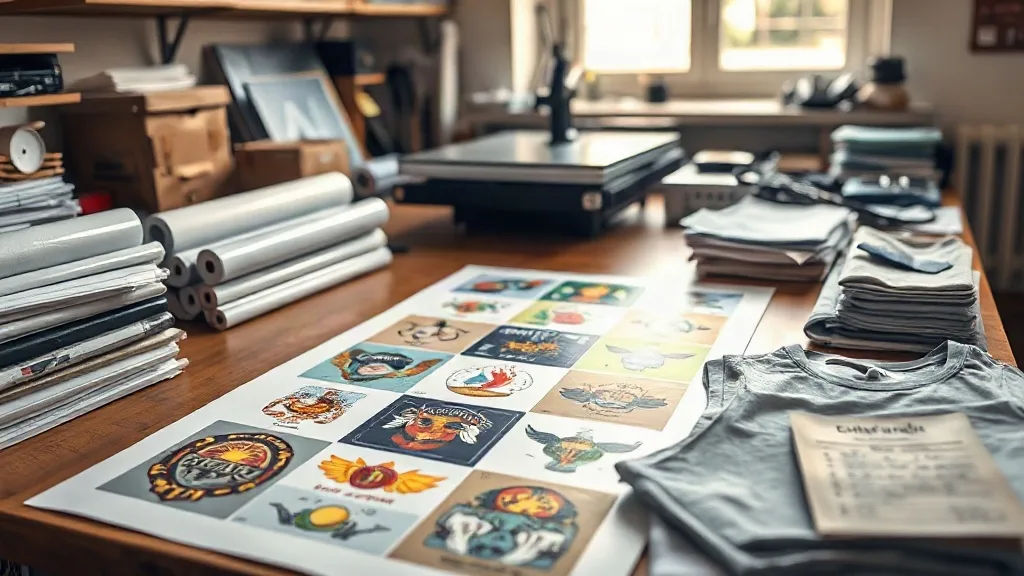
Most conversations about dtf transfers stall at the same question: how much per print? It sounds simple until you sit down with a spreadsheet and realize the answer depends on more variables than a single quote sheet can capture. Film width, gangsheet nesting, transfer size, order volume, and how often you reprint a botched press all move the number. If you run a small shop or a growing apparel brand, understanding those variables is the difference between a healthy margin and a slow bleed.
I have spent enough hours cutting film and resending artwork to know that the sticker price rarely tells the whole story. What follows is a practical breakdown of how dtf costs actually stack up, where gangsheets help and where they quietly hurt, and the small operational habits that keep your cost per shirt predictable.
What You Are Really Paying For
A DTF transfer is a stack of materials and machine time: PET film, ink, adhesive powder, curing, and the labor to lay it all out. When you buy transfers from a supplier, those costs are baked into a per-unit or per-sheet price. When you print in-house, they show up as consumables and hours. Either way, the components are the same.
Film and powder are cheap per square inch in isolation. Ink is the line item that surprises most people, because full-color designs with heavy saturation burn through it faster than flat graphics. Add curing time, and a busy shop can find that machine throughput, not material cost, is the real bottleneck.
Why Per-Print Quotes Vary So Much
Two suppliers can quote wildly different prices for what looks like the same print because they are measuring different things. Some price by the linear inch of film, others by the finished transfer size, and a few bundle setup fees that only show up on the invoice. Before you compare numbers, ask what unit is being priced. A quote that seems 30 percent cheaper can evaporate once you account for a smaller usable print area or a minimum order you did not plan for.
The Gangsheet Math That Actually Matters
A gangsheet is just a long sheet of film holding multiple designs so you print them in one pass. The appeal is obvious: fewer setups, less wasted film, lower cost per design. The trap is that a poorly nested sheet wastes more space than printing individually would have.
Here is how to think about it without drowning in spreadsheets:
- Measure usable width, not film width. Every printer has margins where prints will not land cleanly. If you plan to the edge, you will lose designs.
- Group by size, not by design. A sheet full of 3-inch logos nests tightly; mixing them with 11-inch back prints creates dead zones you cannot fill.
- Leave breathing room between prints. Cramming designs too close causes bleeding at the cut line and makes trimming slower.
- Track your fill rate. Divide the total area of your prints by the total film area used. Anything below roughly 70 percent is a signal to rethink the layout.
Fill rate is the number most shops never calculate, and it is the one that quietly sets their real cost per print. A shop with a 60 percent fill rate is paying for 40 percent of film it throws away.
When Gangsheets Do Not Pay Off
If you are printing one-off designs for individual customers, a gangsheet can be more hassle than it is worth. Nesting takes time, and time has a cost. For true one-offs, a simple single-print workflow with predictable setup may beat the theoretical savings of a packed sheet. Gangsheets shine when you have repeatable designs, bulk orders, or a steady stream of similar-sized artwork.
Hidden Costs That Wreck Margins
The quoted price is rarely the whole price. A few recurring costs tend to hide in the gaps:
- Reprints from press errors. Wrong temperature, uneven pressure, or peeling too early destroys a print. Track how often this happens; a 5 percent reprint rate on 500 prints is 25 transfers you paid for twice.
- Cutting and trimming labor. Hand cutting a full gangsheet can take 20 to 40 minutes depending on density. If you are not factoring that into your per-unit cost, you are absorbing it silently.
- Storage and inventory. Transfers have a shelf life, and old film that will not release cleanly is money in the trash.
- Shipping and minimums. Small orders often carry disproportionate freight costs, which can add a dollar or more per print on a low-volume run.
None of these are dramatic on their own. Together they can easily add 15 to 25 percent to your effective cost per print, which is exactly the margin a small shop needs to stay open.
How to Keep Cost per Print Predictable
The shops that stay profitable tend to share a few habits. They build a standard press recipe for each fabric type and stick to it instead of guessing. They keep a printed reference card taped near the press with time, temperature, and pressure for their most common blanks. They batch similar jobs so the press stays hot and setup time drops. And they price with a buffer for reprints rather than pretending every print will land perfectly.
If you are buying transfers rather than printing in-house, the same logic applies in reverse. Order in quantities that hit sensible price breaks, keep a small buffer of common designs on hand, and avoid the temptation to chase the lowest quote without checking what unit is being priced.
Frequently Asked Questions
Is it cheaper to print DTF transfers in-house or buy them?
For low volume, buying is almost always cheaper once you account for the printer, ink, film, powder, and curing setup. In-house printing starts to make sense when you are running consistent volume and can keep the machine busy enough to spread the equipment cost across many prints.
How full should a gangsheet be before it is worth it?
Aim for at least 70 percent fill rate. Below that, you are paying for film you will not use, and the savings over individual prints start to disappear. Above 85 percent, watch your spacing so trimming does not get harder than it needs to be.
Why does my cost per print change between orders?
Usually it comes down to nesting efficiency, order size, and how much reprint waste you absorbed. A tightly nested large order will always beat a loosely arranged small one. Track fill rate and reprint rate per order and the variance will start to make sense.
Do smaller transfers cost less?
Per square inch, sometimes. Per unit, not always, because setup and handling costs are fixed regardless of size. A tiny print still requires a pass through the press and a cut, so the labor floor stays the same.