
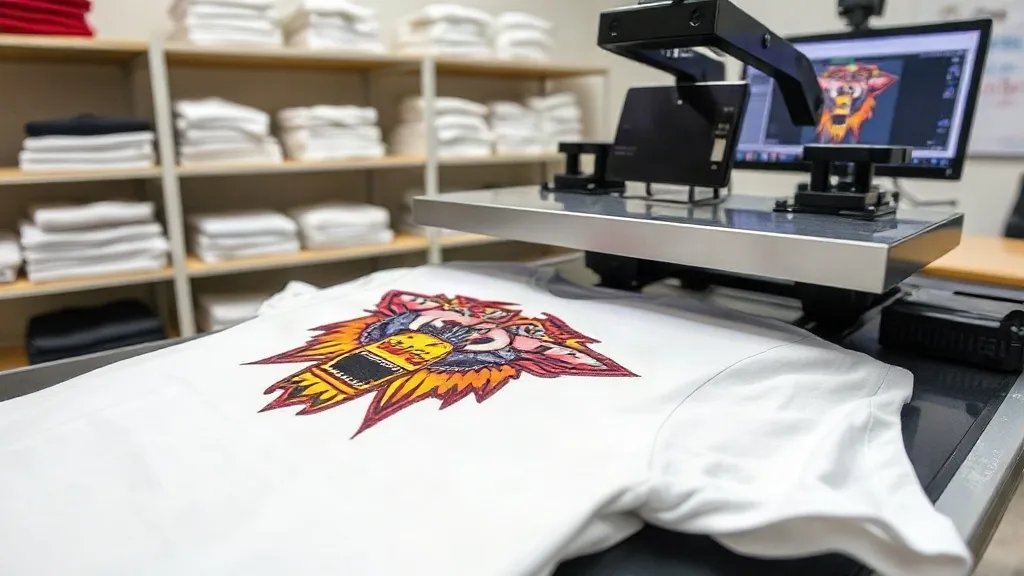
Every print shop owner knows the thrill of landing a new order. The quote is accepted, the design is approved, and the press starts rolling. But the real victory isn't in that first sale. It's in the second, third, and tenth order from the same customer. Building a loyal customer base is the difference between a shop that constantly hunts for new leads and one that thrives on repeat business. And when it comes to custom apparel, dtf transfers have become a secret weapon for shops that want to deliver quality that keeps people coming back.
In this guide, we'll explore why loyalty matters more than ever, how dtf printing fits into a loyalty strategy, and the concrete steps you can take to turn first-time buyers into lifelong fans. Whether you're a seasoned pro or just starting out, these insights will help you build a customer base that sustains your business for years.
Why Customer Loyalty Is Your Most Valuable Asset
Acquiring a new customer costs significantly more than retaining an existing one. While exact figures vary by industry, the principle holds: it's cheaper to keep a customer than to find a new one. Loyal customers also spend more over time, are more likely to refer others, and provide valuable feedback that helps you improve. In the competitive world of custom apparel, where price shoppers abound, loyalty is the glue that holds your revenue steady.
But loyalty isn't built on discounts alone. It's built on trust. Customers return when they know they'll get consistent quality, clear communication, and fair pricing. They return when they feel valued and understood. And they return when the product exceeds their expectations, time and time again.
How DTF Transfers Support a Loyalty-Driven Business
dtf transfers have revolutionized the way print shops operate. Unlike traditional screen printing, DTF doesn't require screens, setup fees, or minimum order quantities. This flexibility allows you to take on small, personalized orders without breaking the bank. But the benefits go beyond cost savings.
DTF transfers produce vibrant, durable prints on a wide range of fabrics, including cotton, polyester, blends, and even nylon. The prints stretch with the garment, resist cracking and fading, and maintain their softness wash after wash. When your customers receive a product that looks great and lasts, they're more likely to come back for more. Quality is the foundation of trust, and DTF delivers it consistently.
Moreover, DTF allows for quick turnarounds. In today's fast-paced world, customers expect their orders promptly. With DTF, you can print, press, and ship in a fraction of the time it takes for other methods. Meeting deadlines builds reliability, and reliability breeds loyalty.
Strategies to Turn One-Time Buyers into Repeat Customers
1. Deliver Consistent Quality Every Time
Consistency is key. If your first order was perfect but the second had a crooked print or faded colors, you've lost trust. Invest in high-quality DTF transfers and maintain your equipment. Train your staff on proper pressing techniques. A consistent product is the minimum requirement for loyalty.
2. Communicate Clearly and Proactively
Keep customers informed at every stage. Send order confirmations, provide tracking numbers, and notify them of any delays. If there's an issue, address it immediately and offer a solution. Transparency builds confidence. Customers appreciate knowing what's happening with their order, especially when deadlines are tight.
3. Offer Personalized Service
Remember your customers' preferences. If a client always orders the same style of shirt, have it ready. If they mention a special event, follow up afterward. Small gestures show that you value their business. Personalization can be as simple as using their name in emails or as involved as offering custom design consultations.
4. Provide Educational Content
Help your customers make informed decisions. Share tips on choosing the right fabric for DTF printing, caring for printed garments, or designing effective logos. When you position yourself as a knowledgeable resource, customers turn to you first. They trust your expertise and are more likely to stick with you.
5. Create a Loyalty Program
Reward repeat business. A simple punch card or points system can encourage customers to return. Offer a discount on their next order or a free upgrade after a certain number of purchases. Loyalty programs don't have to be complicated; even a small incentive can make a difference.
6. Follow Up After the Sale
A thank-you email or a quick call to ensure satisfaction goes a long way. Ask for feedback and act on it. When customers see that you care about their experience, they're more likely to give you another chance. Follow-ups also give you an opportunity to upsell or remind them of upcoming promotions.
7. Be Fair with Pricing
While loyalty isn't solely about price, fairness matters. Avoid hidden fees and be transparent about costs. If you need to raise prices, explain why. Customers understand that quality comes at a cost, but they won't tolerate feeling tricked. Fair pricing builds long-term relationships.
Common Pitfalls That Drive Customers Away
Even well-intentioned shops can make mistakes that erode loyalty. Here are a few to avoid:
- Inconsistent quality: Nothing kills trust faster than a product that doesn't meet expectations.
- Poor communication: Ignoring emails or failing to provide updates frustrates customers.
- Hidden fees: Surprise charges at checkout feel deceptive.
- Slow turnaround: Missing deadlines, especially for events, can ruin relationships.
- Ignoring feedback: Customers want to be heard; dismiss their concerns and they'll go elsewhere.
By staying vigilant and addressing these issues, you can avoid common loyalty killers.
Measuring Loyalty: Metrics That Matter
To build loyalty, you need to track it. Here are key metrics to monitor:
- Repeat purchase rate: The percentage of customers who buy more than once.
- Customer lifetime value (CLV): The total revenue a customer generates over their relationship with you.
- Net Promoter Score (NPS): A measure of how likely customers are to recommend you.
- Churn rate: The percentage of customers who stop buying from you.
Regularly review these metrics to identify trends and areas for improvement. A declining repeat rate is a red flag that something in your service or product needs attention.
Real-World Example: How One Shop Built a Loyal Following
Consider a small print shop in the Midwest that specialized in custom team uniforms. They switched to DTF transfers to handle small orders and last-minute requests. By focusing on quick turnarounds and consistent quality, they became the go-to shop for local schools and sports leagues. They also implemented a simple loyalty program: for every five orders, customers received a free shirt. Within a year, their repeat business doubled. The owner credits DTF's flexibility and the shop's commitment to communication for their success.
Frequently Asked Questions
How do DTF transfers compare to screen printing for building customer loyalty?
DTF transfers offer flexibility with no minimums, making it easier to accommodate small or personalized orders. This can lead to higher customer satisfaction and repeat business, especially for clients who need small batches or quick turnarounds. Screen printing may be more cost-effective for large orders, but DTF's versatility is a strong advantage for loyalty-focused shops.
What is the best way to handle a dissatisfied customer?
Listen to their concerns, apologize sincerely, and offer a solution. Whether it's a reprint, a refund, or a discount on their next order, showing that you value their business can turn a negative experience into a positive one. Follow up to ensure they're satisfied.
How can I encourage customers to leave reviews?
Simply ask. After a successful order, send a follow-up email thanking them and requesting a review. Make it easy by providing a direct link. You can also offer a small incentive, like a discount on their next purchase, for leaving a review.
What types of businesses benefit most from DTF transfers?
Any business that needs custom apparel in small quantities or with quick turnaround times. This includes sports teams, schools, small businesses, event planners, and individuals ordering personalized gifts. DTF is also great for print shops that want to offer a wide variety of products without large inventory investments.
How do I choose the right DTF transfer supplier?
Look for a supplier that offers consistent quality, reliable turnaround, and good customer service. Request samples to test the prints, and read reviews from other shops. A supplier that understands your business needs can be a valuable partner in building customer loyalty.
Building a loyal customer base takes time and effort, but the rewards are worth it. By delivering consistent quality, communicating clearly, and showing appreciation, you can turn one-time buyers into repeat customers who trust you for all their custom apparel needs. And with dtf transfers, you have a powerful tool to help you get there.