
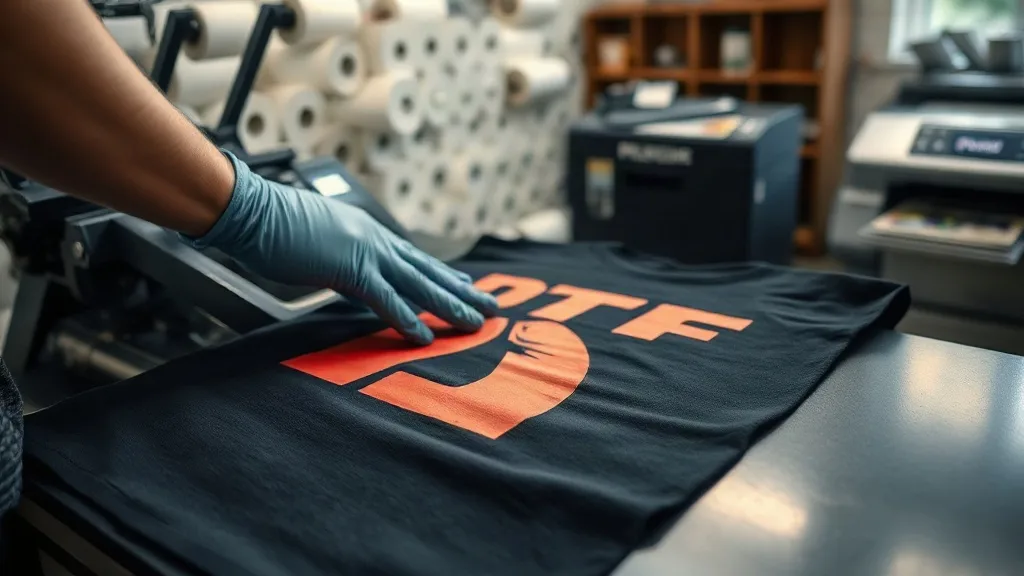
When a customer hands you a vintage denim jacket or a delicate performance jersey, the last thing you want is a print that cracks, fades, or peels after the first wash. DTF transfers have become the go-to solution for decorators who need reliable, vibrant results on fabrics that traditional screen printing or vinyl struggle with. But achieving flawless output on every substrate requires more than loading a sheet and pressing. This guide walks through the nuances of applying DTF transfers to cotton, polyester, blends, and specialty fabrics, with practical tips you can use in your shop today.
Why DTF Transfers Excel on Difficult Fabrics
Direct-to-film printing works by jetting water-based pigment inks onto a special film, then applying a thermoplastic polyurethane (TPU) powder that fuses the design. When heat-pressed, the TPU melts into the fabric fibers, creating a mechanical bond that flexes with the material. Unlike heat transfer vinyl, which sits on top of the fabric, DTF transfers encapsulate the fibers, so they move with the garment rather than fighting it. This is why DTF transfers perform exceptionally well on stretchy knits, mesh, nylon, and even some leathers.
Another advantage: no weeding. Complex designs with fine lines and gradients don't require cutting, which saves hours on intricate artwork. For shops that handle a mix of fabrics and short runs, DTF offers a versatility that screen printing can't match without multiple setups.
Fabric-by-Fabric Application Guide
Not all fabrics behave the same under heat and pressure. Adjusting your press settings and technique for each material is the difference between a print that lasts and one that fails.
100% Cotton
Cotton is the most forgiving fabric for DTF transfers. The fibers absorb the TPU well, and the print feels soft. Use a press temperature of 300-320°F (150-160°C) with medium pressure (40-60 psi) for 10-15 seconds. Pre-press the garment for 5 seconds to remove moisture, then press the transfer for 10 seconds, peel the film while hot, and post-press for another 5 seconds with a protective sheet. This ensures the TPU fully penetrates the cotton fibers.
100% Polyester
Polyester requires a lower temperature to avoid dye migration and ink discoloration. Set your press to 280-300°F (140-150°C) and use light pressure (30-40 psi). Pre-press for 5 seconds to flatten the fabric and remove wrinkles. Press the transfer for 8-10 seconds, peel while warm (not hot), and post-press for 5 seconds. If you're working with dark polyester, consider a low-bleed film or a poly-blocker sheet to prevent the garment's dye from sublimating into the transfer.
Cotton/Poly Blends
Blends like 50/50 or 60/40 are common in performance wear and retail tees. They combine the softness of cotton with the durability of polyester. Use a middle-ground setting: 290-310°F (145-155°C), medium pressure, 10-12 seconds. Pre-press for 5 seconds. Peel while warm. Because blends can have inconsistent fiber distribution, inspect the print after peeling and post-press for an extra 5 seconds if needed. For blends with a high polyester content (over 65%), treat them like polyester to avoid dye migration.
Nylon and Synthetic Fabrics
Nylon, spandex, and other synthetics can be tricky because they're heat-sensitive and often repel adhesives. Use a lower temperature (270-290°F / 130-145°C) and light pressure. Pre-press for 5 seconds to relax the fabric. Press the transfer for 8-10 seconds, then cool-peel (wait until the film is completely cool before peeling). Post-press for 5 seconds with a protective sheet. For nylon, a specialty low-temperature DTF film or an adhesive promoter may be necessary for optimal adhesion.
Specialty Fabrics: Mesh, Canvas, and Leather
Mesh jerseys require a delicate touch: use a pressing pillow to support the seams and prevent the mesh from flattening. Lower the pressure to 20-30 psi and press for 8 seconds. Canvas and denim benefit from a longer pre-press (10 seconds) to smooth the surface. Leather and faux leather need low temperature (250-270°F / 120-130°C) and very light pressure; always test on a scrap piece first. For these materials, a cool peel is essential to avoid stretching the leather.
Troubleshooting Common DTF Transfer Issues
Even with the right settings, problems can arise. Here's how to diagnose and fix them quickly.
- Print peeling after wash: Usually caused by insufficient pressure or time. Increase pressure by 5 psi and extend press time by 2 seconds. Ensure the garment is completely dry before pressing.
- Ink cracking: Often a sign of too much pressure or overheating. Reduce pressure and check that the transfer isn't being pressed for too long. Also, verify that the film was peeled at the correct temperature (hot peel vs. cool peel).
- Dull or faded colors: May indicate under-pressing. Increase temperature by 5°F and press for 2 extra seconds. For polyester, ensure you're not exceeding the temperature threshold that causes dye migration.
- Film not releasing: If the film sticks to the garment, it's likely too cool. Increase press time or temperature slightly. For cool-peel films, make sure you wait until the film is completely cool before peeling.
Choosing the Right DTF Transfer for Your Fabric
Not all DTF transfers are created equal. When sourcing, consider the film type and powder. Standard DTF film works for most fabrics, but for stretchy materials, look for stretchable TPU powder. For dark garments, high-opacity films with a white ink layer are essential. If you're searching for dtf transfers near me, prioritize suppliers that offer fabric-specific recommendations and sample packs. Testing a small batch on your actual garments before committing to a large order can save you from costly mistakes.
Also, pay attention to storage. DTF transfers should be stored in a cool, dry place away from direct sunlight. Humidity can cause the powder to clump, leading to uneven adhesion. Use silica gel packets in storage bins to keep moisture at bay.
Maximizing Durability and Customer Satisfaction
Flawless prints aren't just about the press settings; they're about the entire workflow. Always pre-treat garments to remove sizing and moisture. Use a heat press with consistent temperature and pressure across the platen. Invest in a quality infrared thermometer to verify your press's actual temperature, as dials can drift. After pressing, allow the garment to cool completely before folding or packaging. For wash durability, instruct customers to turn the garment inside out and wash in cold water. Following these steps ensures your DTF transfers withstand at least 50 washes without significant fading or cracking.
Finally, keep a log of your settings for each fabric type. Over time, you'll build a reference that speeds up production and reduces errors. And when you need reliable supplies, partner with a provider that understands the intricacies of DTF printing and offers consistent quality.
Frequently Asked Questions
Can I use DTF transfers on 100% polyester without dye migration?
Yes, but you need to use low-bleed film and control the temperature. Keep the press at or below 300°F (150°C) and use a poly-blocker sheet if necessary. Pre-press the garment to remove moisture, and always test on a scrap piece first.
What's the best way to apply DTF transfers to stretchy fabrics like spandex?
Use a stretchable TPU powder and press at a lower temperature (270-290°F) with light pressure. Pre-press for 5 seconds, press for 8-10 seconds, and cool-peel. Post-press for 5 seconds to set the print. Avoid overstretching the fabric during pressing.
How do I prevent DTF prints from cracking after washing?
Cracking usually indicates insufficient pressure or time. Increase pressure by 5 psi and press for 2 extra seconds. Ensure the garment is dry before pressing, and always post-press for 5 seconds. Also, check that you're using the correct peel method (hot vs. cool) for your film.
Where can I find high-quality DTF transfers near me?
Look for local suppliers that specialize in DTF and offer sample packs. If you're searching for dtf transfers near me, check online reviews and ask for fabric-specific recommendations. Many suppliers provide detailed application guides and troubleshooting support.
Can DTF transfers be used on leather or faux leather?
Yes, but with caution. Use low temperature (250-270°F) and very light pressure. Always test on a hidden area first. Cool-peel the film to avoid stretching the leather. For best results, use a specialty low-temperature DTF film designed for heat-sensitive materials.