
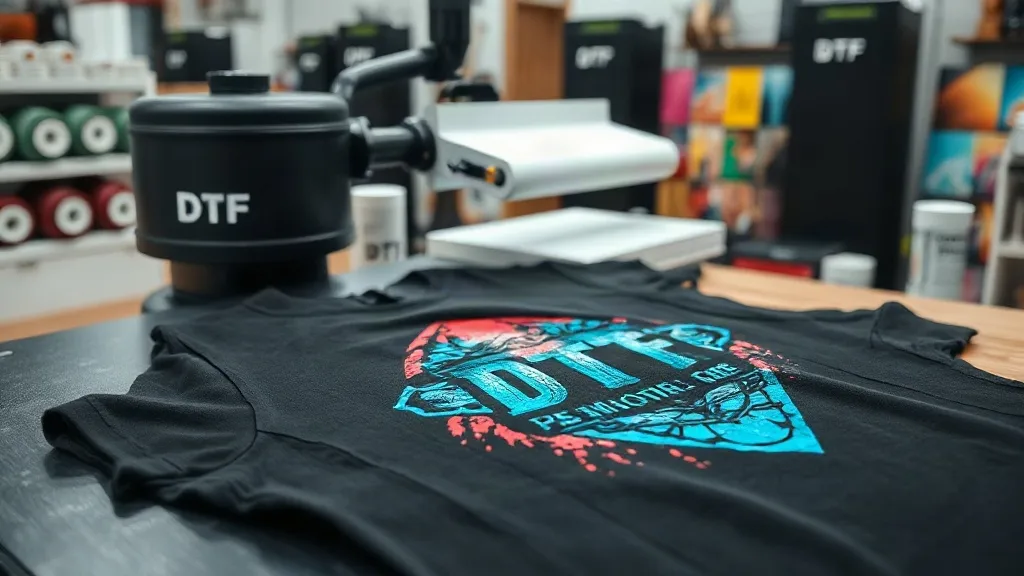
Custom apparel printing has evolved dramatically over the past decade, and one technology stands out for its versatility and accessibility: DTF transfers. Unlike traditional screen printing or sublimation, DTF (Direct-to-Film) transfers allow you to print full-color designs onto almost any fabric, from cotton and polyester to blends and even nylon, without the need for expensive equipment or time-consuming setup. For small print shops and large operations alike, DTF transfers have become a game-changer, enabling quick turnarounds, low minimums, and stunning results that rival more established methods.
What Are DTF Transfers?
DTF transfers are a digital printing method where designs are printed onto a special film, coated with adhesive powder, and then heat-pressed onto fabric. The process involves printing with water-based pigments onto a PET film, applying a thermoplastic polyurethane (TPU) powder while the ink is still wet, and then curing the film. Once cured, the transfer can be stored and later applied using a heat press. This two-step process (printing and pressing) offers flexibility because you can produce transfers in advance and apply them on demand, which is ideal for custom orders and small batches.
Why DTF Transfers Are Revolutionizing Custom Apparel
The rise of DTF transfers is no accident. Several factors make this technology particularly appealing to both beginners and seasoned professionals in the apparel decoration industry.
1. Unmatched Fabric Versatility
One of the biggest advantages of DTF transfers is their ability to adhere to a wide range of fabrics. Traditional screen printing works best on cotton, while sublimation requires polyester or specially coated surfaces. DTF, however, bonds well to cotton, polyester, blends, nylon, and even leather. This means you can offer custom designs on t-shirts, hoodies, tote bags, and more, without worrying about the fabric composition. For businesses that cater to diverse client needs, this versatility is invaluable.
2. Vibrant, Full-Color Designs
DTF transfers produce high-resolution, full-color prints with excellent color vibrancy and detail. Because the process uses water-based pigments, it can reproduce gradients, photographic images, and fine lines with impressive accuracy. Unlike screen printing, which requires separate screens for each color, DTF handles complex designs in a single pass, saving time and reducing costs. The results are particularly striking on dark fabrics, where the white ink layer ensures opacity and brightness.
3. Cost-Effective for Small and Large Runs
Setting up screen printing for a small order can be prohibitively expensive due to screen creation and setup fees. DTF transfers eliminate these costs, making short runs economically viable. There are no minimum order requirements, so you can produce one-off custom pieces or small batches without breaking the bank. For larger orders, DTF remains competitive because the per-unit cost decreases with volume, and the ability to gang multiple designs onto a single sheet (known as a gangsheet) further improves efficiency. Tools like a DTF Gangsheet Builder allow you to maximize film usage and reduce waste.
4. Quick Turnaround and On-Demand Production
In today's fast-paced market, customers expect quick turnaround times. DTF transfers enable on-demand production because you can print and cure transfers in advance, then press them onto garments as orders come in. This reduces lead times and allows you to offer same-day or next-day services, giving you a competitive edge. Additionally, storing transfers is easy; they are lightweight and take up minimal space compared to blank inventory.
5. Durability and Wash Fastness
Quality DTF transfers are known for their durability. When properly applied, the prints withstand repeated washing without cracking, fading, or peeling. The TPU powder creates a strong bond with the fabric, ensuring the design remains intact even after many cycles. This reliability is crucial for customer satisfaction and repeat business.
How DTF Transfers Compare to Other Printing Methods
To appreciate the value of DTF, it helps to see how it stacks up against other popular decoration techniques.
DTF vs. Screen Printing
Screen printing is the traditional workhorse for bulk orders, offering low per-unit costs for large quantities and a soft feel on fabric. However, it requires setup time, screens, and is limited to certain fabrics. DTF shines in short runs, complex designs, and fabric versatility. It also eliminates the need for color separations and screen cleaning. For many shops, DTF complements screen printing by handling the jobs that are too small or too intricate for screens.
DTF vs. Sublimation
Sublimation produces vibrant, permanent prints but only works on polyester or specially coated substrates. The colors bond with the fabric, resulting in no added texture. DTF, on the other hand, works on nearly any fabric and leaves a thin, flexible layer on top. For cotton and dark fabrics, DTF is often the better choice because sublimation cannot achieve bright whites or adhere to natural fibers.
DTF vs. Vinyl (HTV)
Heat transfer vinyl (HTV) is popular for simple one-color designs and names/numbers. It requires cutting and weeding, which can be time-consuming for complex artwork. DTF handles full-color, detailed designs in one step, making it more efficient for multi-color graphics. HTV might still be preferred for certain effects (like metallic or glitter), but DTF offers broader capabilities for photographic and gradient designs.
Getting Started with DTF Transfers
Starting with DTF transfers is relatively straightforward, but it requires attention to detail to achieve professional results. Here are the key steps and considerations.
Equipment Needed
To begin, you'll need a DTF printer, which uses water-based pigment inks, and a heat press. The printer is the main investment; options range from entry-level models to high-volume production machines. You'll also need DTF film, TPU powder, and a curing oven or heat gun to set the powder. Some printers come with built-in powder shakers and curing units, streamlining the process.
Design and RIP Software
Designs are created in graphic software and then processed through a RIP (Raster Image Processor) software that manages color profiles, ink limits, and the white ink layer. Proper settings are crucial for vibrant colors and opacity, especially on dark garments. Many DTF printers come with proprietary RIP software, but third-party options are available.
Printing and Powdering
The printer lays down the color and white ink onto the film. While the ink is still wet, TPU powder is applied evenly over the design. Excess powder is shaken off, and the film is then cured in an oven or with a heat gun until the powder melts and forms a smooth, flexible layer. This step requires precise temperature and time to ensure proper adhesion and durability.
Pressing the Transfer
Once cured, the transfer is ready to be pressed onto the fabric. The heat press settings vary by fabric and transfer type, but typically range from 300°F to 350°F (150°C to 175°C) for 10-15 seconds with medium pressure. It's essential to pre-press the garment to remove moisture, then press the transfer, and finally peel the film while hot or cold depending on the film type. Following the manufacturer's instructions is key to achieving a flawless finish.
Best Practices for Flawless DTF Prints
To consistently produce high-quality DTF transfers, consider these best practices:
- Use quality supplies: Invest in reputable DTF film and powder to avoid issues like powder clumping or poor adhesion.
- Maintain your printer: Regular cleaning and maintenance prevent clogs and ensure consistent ink flow.
- Control the environment: Humidity and temperature can affect ink and powder behavior; aim for a stable, clean workspace.
- Test and calibrate: Always perform test prints and adjust settings as needed, especially when switching fabrics or designs.
- Store transfers properly: Keep cured transfers in a cool, dry place away from direct sunlight to maintain their integrity.
Applications and Market Opportunities
DTF transfers open up a world of possibilities for custom apparel. From personalized t-shirts for events and teams to small-batch fashion lines, the technology caters to diverse markets. Print shops can offer services like single-piece customization, rapid prototyping, and on-demand fulfillment. The ability to print on various fabrics also means you can expand into non-apparel items such as tote bags, hats, and home textiles. By leveraging DTF, businesses can differentiate themselves and tap into niche markets that were previously inaccessible due to cost or complexity.
Choosing the Right DTF Supplies and Partners
The quality of your DTF transfers heavily depends on the supplies you use. Not all films and powders are created equal; cheap alternatives can lead to poor wash fastness, dull colors, or application problems. It's wise to source from reputable suppliers who provide consistent products and technical support. For those looking to streamline their workflow, a DTF Gangsheet Builder can be a valuable tool, allowing you to arrange multiple designs on a single sheet to save film and reduce waste. Additionally, building relationships with reliable vendors ensures you have access to the latest innovations and can troubleshoot issues quickly.
Future of DTF in Custom Apparel
As the demand for customization grows, DTF technology continues to advance. We're seeing faster printers, improved inks for better color gamut, and automated powder systems that increase efficiency. Sustainability is also gaining attention, with efforts to develop eco-friendly films and powders. For businesses willing to adopt DTF, the future looks bright, with opportunities to scale and offer new services. Staying informed about these trends will help you stay ahead of the competition.
Frequently Asked Questions
What fabrics can DTF transfers be applied to?
DTF transfers can be applied to a wide range of fabrics, including cotton, polyester, blends, nylon, and leather. They work well on both light and dark colors, making them suitable for almost any garment.
How durable are DTF transfers?
When properly applied, DTF transfers are highly durable and can withstand repeated washing without cracking, fading, or peeling. The TPU powder creates a strong bond with the fabric, ensuring longevity.
Do I need a special printer for DTF transfers?
Yes, DTF requires a dedicated printer that uses water-based pigment inks. These printers are available in various sizes and configurations, from entry-level to industrial models.
Can I use DTF transfers on 100% cotton?
Absolutely. DTF transfers adhere well to 100% cotton and are an excellent choice for cotton garments, unlike sublimation which requires polyester.
How do I store DTF transfers?
Cured DTF transfers should be stored in a cool, dry place away from direct sunlight. They can be kept in a folder or box, and they remain usable for several months if stored properly.