
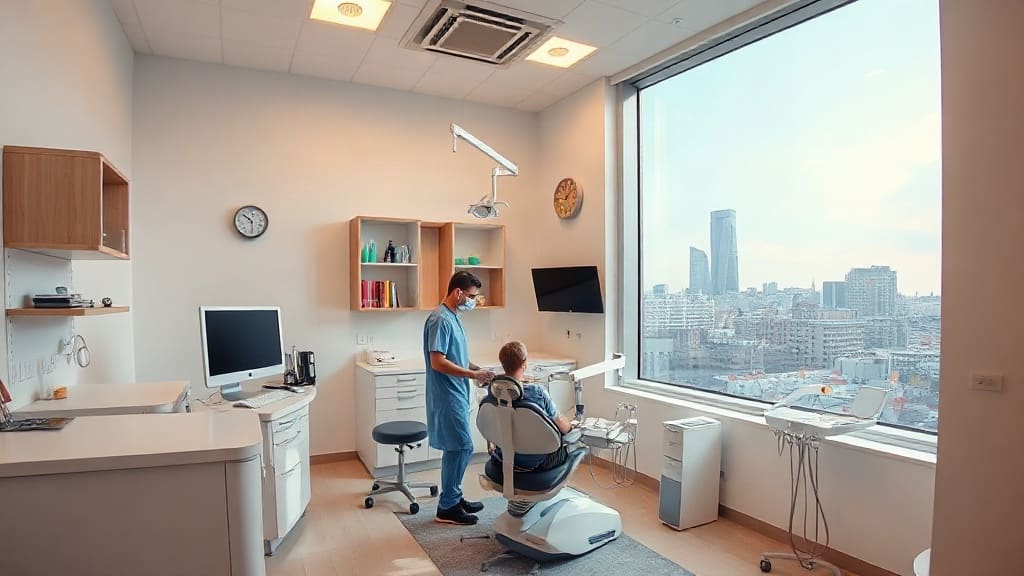
If you’ve been researching cosmetic dentistry, you’ve likely come across the term veneers turkey more than once. It’s no secret that thousands of people fly to Istanbul, Antalya, and Izmir every year to fix their smiles at a fraction of the cost they’d pay back home. But beyond the attractive price tags, there’s a lot to understand before you book a flight. I’ve spent months talking to patients, dentists, and clinic coordinators to put together a realistic picture of what dental tourism in Turkey actually involves. This guide isn’t here to sell you a dream; it’s here to help you decide if it’s the right move for you.
Why Turkey Became a Global Hub for Cosmetic Dentistry
Turkey’s rise as a dental destination didn’t happen overnight. The country invested heavily in medical infrastructure, and dental clinics followed suit. Many clinics in major cities now rival, or even surpass, what you’d find in Western Europe or North America in terms of technology. Digital scanners, 3D printers, and CAD/CAM milling machines are standard in reputable facilities. But equipment alone doesn’t make a good clinic—it’s the people behind the tools that matter.
A key factor is the sheer volume of international patients. Clinics that cater to foreigners often have dedicated coordinators who speak English, German, Arabic, or Russian. They handle everything from airport transfers to hotel bookings and follow-up care. This streamlined process reduces the stress of traveling for medical reasons, which is a big part of why so many people choose Turkey for procedures like veneers and crowns.
However, the industry is not without its pitfalls. The same high demand has led to a boom in clinics, and not all of them maintain the same standards. Some prioritize speed over precision, which can lead to poorly fitted restorations or even nerve damage. That’s why doing your homework is non-negotiable. Later in this guide, I’ll walk you through how to evaluate a clinic, but first, let’s break down the specific treatments you’re likely considering.
Understanding Your Options: Veneers, E-max, and Zirconium Crowns
When you search for dental work in Turkey, you’ll see a lot of jargon. The three most common terms are veneers turkey, emax veneers turkey, and zirconium crowns turkey. They’re related but serve different purposes. Let’s clear up the confusion.
Porcelain Veneers: The Classic Smile Makeover
Veneers are thin shells of porcelain or composite resin that cover the front surface of your teeth. They’re ideal for correcting discoloration, minor chips, gaps, or slight misalignment. In Turkey, most patients opt for porcelain veneers because they look natural and resist stains well. The process usually requires two visits: one for preparation and impressions, and another for bonding the final veneers. Some clinics offer same-day veneers using in-house milling, but this isn’t always the best option—traditional lab-made veneers often have better aesthetics and durability.
One thing to note: getting veneers is not reversible. Your dentist will remove a thin layer of enamel (about 0.3 to 0.5 millimeters) to make room for the shell. If you have healthy teeth and just want a brighter smile, you might be a candidate for no-prep veneers, but these are less common in Turkey. A good dentist will assess your bite, gum health, and enamel thickness before recommending veneers.
E-max Veneers: The Premium Choice for Aesthetics
E-max is a brand of lithium disilicate glass-ceramic that’s known for its strength and translucency. Emax veneers turkey are often marketed as the top-tier option because they mimic natural tooth enamel better than traditional porcelain. They’re also less likely to chip or fracture. If you’re looking for a Hollywood smile that still looks real, E-max is worth considering. The downside? They tend to cost more than standard porcelain veneers, though still significantly less than in the UK or US.
Because E-max is so popular, many clinics in Turkey specialize in this material. When you see package deals for “full mouth E-max,” it usually means 20 or more veneers covering all visible teeth. That’s a major procedure—think 10 to 14 days in the country, multiple appointments, and a significant investment. It’s not a decision to make lightly, and you should have a thorough consultation (ideally virtual first) before committing.
Zirconium Crowns: Strength Meets Beauty
Crowns, on the other hand, cover the entire tooth, not just the front. They’re used when a tooth is heavily damaged, decayed, or after a root canal. Zirconium crowns turkey are favored because zirconia is incredibly strong—it can withstand the forces of chewing on back teeth—and it’s also aesthetically pleasing. Unlike older porcelain-fused-to-metal crowns, zirconia has no dark metal line at the gum. It’s also biocompatible, meaning it rarely causes allergic reactions.
Some patients opt for zirconium crowns on all teeth as part of a full-mouth reconstruction. This is more invasive than veneers because more tooth structure is removed. It’s usually reserved for cases where the teeth are too compromised for veneers, or when the bite needs significant correction. A skilled dentist will explain the trade-offs and may suggest a combination of veneers on front teeth and crowns on back teeth for a balanced result.
What to Expect from the Process: A Step-by-Step Timeline
Let’s say you’ve decided to go ahead with veneers turkey. What does the journey look like? Here’s a realistic breakdown based on common practices at reputable clinics.
Step 1: Virtual Consultation. You’ll send photos of your teeth and discuss your goals via video call. The dentist will give you a preliminary treatment plan and a quote. This is your chance to ask questions about materials, warranty, and the dentist’s experience. Don’t skip this step.
Step 2: Travel and First Visit. You arrive in Turkey and go to the clinic for a comprehensive exam, X-rays, and sometimes a 3D scan. The dentist will confirm the plan and may adjust it based on your actual oral health. If you have cavities or gum disease, those need to be treated first—ethical clinics won’t place veneers on unhealthy teeth.
Step 3: Preparation. For veneers, the dentist shapes your teeth and takes impressions (digital or traditional). You’ll get temporary veneers to wear while the permanent ones are made. This usually takes 3 to 7 days. For crowns, the preparation is similar but more extensive, and you’ll wear temporary crowns.
Step 4: Fitting and Bonding. When your restorations are ready, you’ll return to try them on. The dentist will check the fit, color, and bite, making adjustments as needed. Once you’re happy, the veneers or crowns are permanently bonded. This appointment can take several hours.
Step 5: Follow-up and Aftercare. You’ll get instructions on how to care for your new smile. Most clinics schedule a check-up before you fly home. After that, you should see your local dentist for regular cleanings and any issues. A good clinic will offer a warranty (often 2 to 5 years) and stay in touch for questions.
How to Choose a Safe and Reliable Clinic
This is the most important section of this guide. The difference between a great experience and a dental nightmare often comes down to clinic choice. Here’s what to look for:
- Verify the dentist’s credentials. In Turkey, dentists must be registered with the Turkish Dental Association. Ask for their diploma and specialization. A prosthodontist is a specialist in veneers and crowns.
- Check reviews from multiple sources. Google, Trustpilot, and independent forums like Reddit. Look for detailed, balanced reviews, not just five-star raves. Pay attention to how the clinic responds to negative feedback.
- Ask about the materials. Reputable clinics use certified brands like Ivoclar (E-max), Vita, or 3M. If a clinic is vague about what they use, walk away.
- Understand the warranty. What does it cover? For how long? What are the conditions? A written warranty is a sign of confidence in their work.
- Beware of extremely low prices. If a full set of veneers is quoted at $1,000, something is off. Quality materials and skilled labor cost money, even in Turkey. You might be getting composite resin instead of porcelain, or treatment by an inexperienced dentist.
- Communication matters. Do they answer your questions patiently? Do they provide a clear treatment plan? A clinic that pressures you to decide quickly is a red flag.
One patient I spoke with, Sarah from Manchester, told me she chose her clinic because they sent her a detailed 10-page treatment plan and scheduled two video calls before she even booked. “I felt like they cared about the outcome, not just my money,” she said. That’s the kind of clinic you want.
Cost Considerations: What You’ll Actually Pay
Prices vary widely, but here’s a rough idea based on 2024 data from multiple clinics and patient reports. A single porcelain veneer in Turkey might cost $150 to $350, while an E-max veneer could be $250 to $500. A full set of 20 veneers often ranges from $3,000 to $7,000. Zirconium crowns are similar: $200 to $400 per crown. For comparison, in the UK, a single porcelain veneer can cost £600 to £1,200, and a zirconium crown £700 to £1,400. So the savings are real, often 50% to 70%.
But don’t forget the hidden costs: flights, accommodation, food, and time off work. Most clinics offer packages that include some of these, but read the fine print. Also, if something goes wrong after you return home, you may need to pay for repairs locally—and your warranty might not cover that. Factor in a buffer of 10% to 20% for unexpected expenses.
Recovery and Aftercare: What No One Tells You
Getting veneers or crowns is not like getting a haircut. Your mouth will need time to adjust. In the first few days, you might experience sensitivity to hot and cold, sore gums, and a strange feeling when you bite. This is normal and usually subsides within a week or two. You’ll need to stick to soft foods for a while and avoid anything too hard or sticky.
Long-term, you must maintain excellent oral hygiene. Veneers and crowns don’t decay, but the teeth underneath them can. Brush twice a day, floss carefully, and use a non-abrasive toothpaste. Avoid biting your nails, chewing ice, or using your teeth as tools. And see your dentist every six months for a check-up. With proper care, quality veneers and crowns can last 10 to 15 years or more.
Common Myths About Dental Work in Turkey
There’s a lot of misinformation floating around. Let’s debunk a few myths.
Myth 1: All Turkish clinics are the same. False. There’s a huge range in quality. The best clinics are on par with top European facilities; the worst are assembly lines. Your research is your protection.
Myth 2: You can get everything done in one week. Sometimes, but not always. If you need extractions, bone grafts, or gum treatment, your stay will be longer. Rushing the process can compromise the result.
Myth 3: Dental tourism is only for rich people. Actually, it’s the opposite. Many patients are middle-class people who can’t afford cosmetic dentistry at home. The savings make it accessible.
Myth 4: You don’t need to see a dentist at home afterward. Wrong. You still need regular check-ups. Your local dentist can monitor your restorations and catch problems early.
Is Dental Tourism in Turkey Right for You?
Only you can answer that. If you’re healthy, have realistic expectations, and are willing to invest time in research and travel, Turkey can be an excellent choice. The quality of work at top clinics is outstanding, and the cost savings are significant. But if you’re looking for a quick fix without considering the risks, or if you have complex dental issues that require long-term management, you might be better off staying local.
Talk to your current dentist first. Get a full exam and ask for their opinion. They might even be able to refer you to a trusted colleague in Turkey. And never make a decision based solely on price. Your smile is worth more than a bargain.
Frequently Asked Questions
How long do veneers from Turkey last?
With proper care, porcelain and E-max veneers can last 10 to 15 years or longer. Zirconium crowns have a similar lifespan. The key factors are the quality of the materials, the skill of the dentist, and your oral hygiene habits. Regular dental check-ups are essential to catch any issues early.
Is it safe to travel to Turkey for dental work right now?
Yes, as long as you choose a reputable clinic and follow standard travel precautions. Turkey has a well-developed medical tourism infrastructure, and thousands of patients travel there safely every month. Check your government’s travel advisories and ensure you have comprehensive travel insurance that covers medical procedures.
What is the difference between E-max and zirconium?
E-max is a lithium disilicate ceramic used mainly for veneers and anterior crowns because of its excellent aesthetics. Zirconium is a type of zirconia that is extremely strong, making it ideal for posterior crowns and bridges. Both are metal-free and biocompatible. Your dentist will recommend one based on the location and condition of your teeth.
Can I get veneers if I have gum disease?
No. Gum disease must be treated before any cosmetic dental work. Placing veneers on unhealthy gums can lead to failure, infection, and further bone loss. A responsible dentist will examine your gums and treat any issues first, which may extend your treatment timeline.
Will my dental insurance cover treatment in Turkey?
In most cases, no. Dental insurance typically only covers treatment within your home country, and even then, cosmetic procedures are often excluded. However, some international health insurance plans may offer partial reimbursement. Check with your insurer before booking. Many patients pay out of pocket and consider the overall savings worthwhile.