
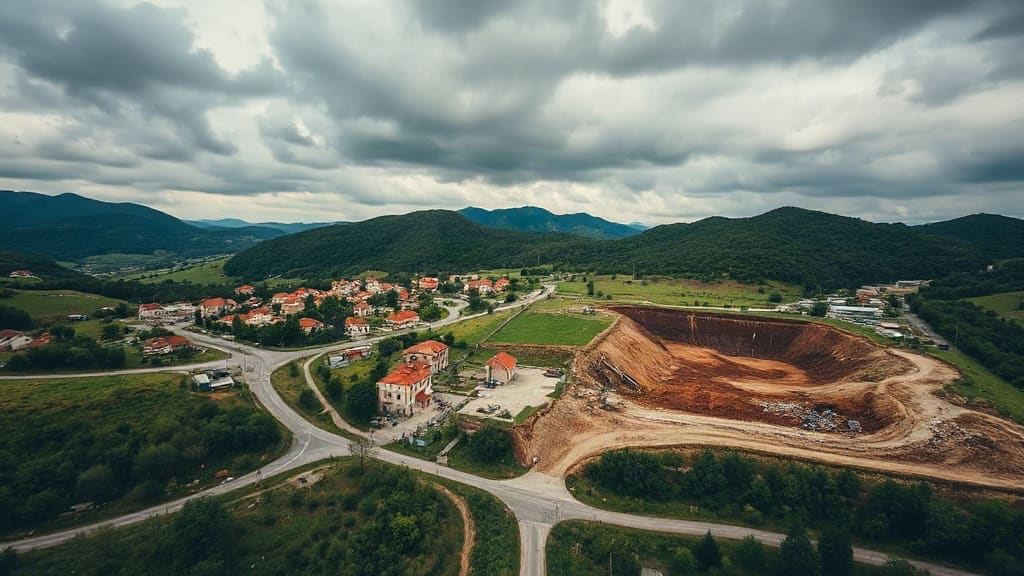
In the heart of Croatia's mountainous Lika region, the town of Gospić has become the unlikely epicenter of a nationwide environmental awakening. For years, residents watched in frustration as illegal waste, some of it hazardous, was quietly dumped and buried at sites around their community. The breaking point came when an estimated 35,000 tonnes of waste was discovered just 50 metres from one resident's home. What followed was a grassroots movement that culminated in 40,000 people gathering outside the Croatian parliament, demanding action. The story of Gospić is not just about a local cleanup; it is a case study in how civic pressure can force environmental accountability.
The Scale of the Dumping
Between 2022 and 2024, several locations in and around Gospić were used as illegal dumping grounds. At one of the largest sites, located a mere 50 metres from Željka Šikić's home, authorities estimate that 35,000 tonnes of waste were abandoned and buried. This was not ordinary household trash; a significant portion was hazardous, containing substances that pose long-term risks to soil, water, and public health. The proximity to homes made the danger immediate and personal for residents, who began documenting the dumping and demanding answers.
A Community Takes Action
Fed up with official inaction, residents like Željka Šikić decided to take matters into their own hands. They launched a campaign called "Gospić je naš dom" (Gospić is our home), which quickly gained traction. The slogan, simple yet powerful, resonated far beyond the town's borders. It spoke to a universal frustration: the feeling that ordinary people are left to suffer the consequences of environmental crimes while those responsible evade accountability. The campaign organized protests, raised awareness on social media, and pressured local and national authorities to address the crisis.
The March on Parliament
The movement's defining moment came earlier this month when 40,000 people gathered outside the Croatian parliament in Zagreb. The crowd, one of the largest environmental protests in Croatia's recent history, was a clear signal that the issue had transcended local concerns. Šikić addressed the crowd, shouting the campaign's slogan, which was echoed back by thousands. The protest was peaceful but determined, demanding not only the cleanup of Gospić but also systemic changes to prevent similar incidents elsewhere.
Why Gospić Matters Nationally
The Gospić case is not an isolated incident. It highlights a broader problem: inadequate waste management infrastructure and lax enforcement of environmental regulations across Croatia. Illegal dumping is often driven by the high costs of proper disposal and the lure of quick profits for unscrupulous operators. In rural and economically depressed areas, where oversight is limited, the problem is particularly acute. The Gospić crisis has thus become a flashpoint, exposing gaps in the system that allow toxic waste to be abandoned with impunity.
Environmental and Health Risks
The waste dumped in Gospić includes hazardous materials that can leach into groundwater and soil, potentially contaminating drinking water sources and harming local ecosystems. Long-term exposure to such pollutants has been linked to respiratory issues, cancers, and other serious health problems. For residents, the fear is not abstract; it is a daily reality as they wonder what is seeping into the ground beneath their feet. The cleanup, when it happens, will be complex and costly, requiring specialized handling and monitoring.
The Road to Clean-Up
Following the protests, Croatian authorities have pledged to address the situation. Preliminary assessments have begun, and there is talk of allocating funds for remediation. However, residents remain skeptical, having heard promises before. The campaign continues to push for transparency, demanding that the cleanup process be open to public scrutiny and that those responsible be held accountable. The involvement of national environmental agencies and potentially the European Union, given Croatia's EU membership, could provide additional pressure and resources.
Legal and Regulatory Reforms
Beyond the immediate cleanup, the Gospić movement is calling for stronger enforcement of waste management laws and tougher penalties for illegal dumping. They argue that current fines are too low to deter offenders and that monitoring systems are inadequate. Proposed reforms include increased funding for waste inspection, the use of satellite imagery and drones to detect illegal sites, and incentives for proper disposal. These measures, if implemented, could help prevent future Gospić-like crises.
What Other Communities Can Learn
The Gospić story offers lessons for communities facing similar challenges. First, grassroots organizing can amplify voices and force action when official channels fail. Second, documenting the problem thoroughly, with photos, videos, and health impact data, builds a compelling case. Third, forming alliances with national and international environmental groups can bring additional expertise and pressure. Finally, persistence is key; environmental battles are often long, but public attention can be a powerful lever.
Frequently Asked Questions
What exactly was dumped in Gospić?
The waste included a mix of industrial and possibly hazardous materials, though specific substances have not been fully disclosed. Authorities estimate that 35,000 tonnes were buried at one site alone, with other locations also affected.
Is the waste still a threat to residents?
Yes, until properly remediated, the waste continues to pose risks of soil and water contamination. Residents have reported health concerns, though direct links are still being investigated.
What has the Croatian government done so far?
The government has acknowledged the issue and initiated assessments, but concrete cleanup actions are still in the planning stages. The protest has accelerated discussions about funding and regulatory changes.
How can I support the clean-up efforts?
You can support by spreading awareness, donating to environmental organizations involved in the cleanup, and pressuring policymakers to prioritize environmental enforcement.
Could this happen in other parts of Croatia?
Unfortunately, yes. Without stronger regulations and enforcement, other rural or economically disadvantaged areas remain vulnerable to illegal dumping.