
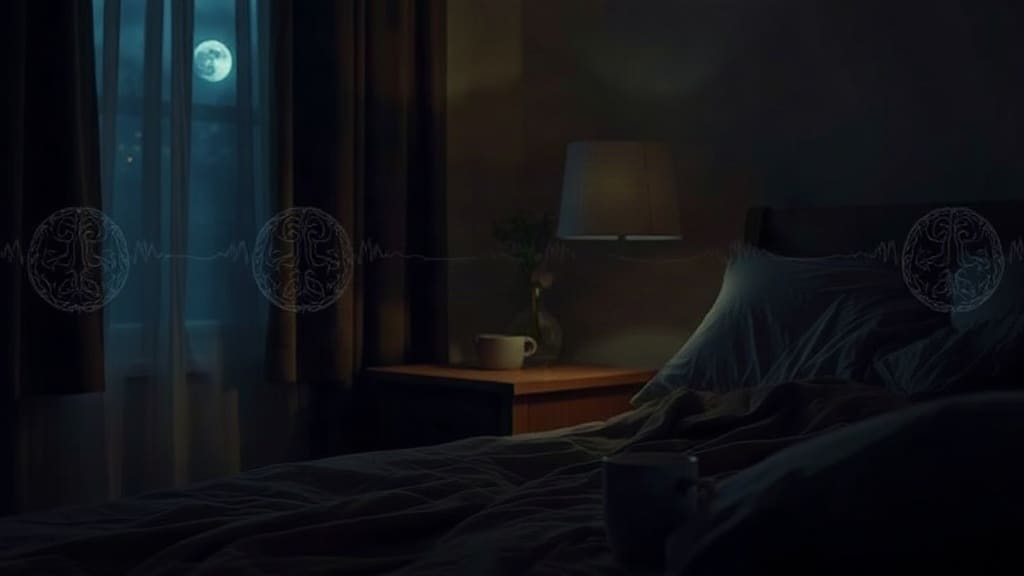
You know the drill: it’s 2 p.m., you’re dragging, so you grab a coffee. You make sure it’s before your 3 p.m. cutoff, confident it won’t interfere with bedtime. You fall asleep without a hitch and wake up eight hours later. Yet something feels off. You’re not exactly exhausted, but you’re not refreshed either. The culprit might not be your sleep duration or your ability to nod off. It could be the quality of your sleep, subtly undermined by that afternoon cup.
Recent findings from sleep researchers paint a nuanced picture of caffeine’s impact. While it’s well known that caffeine can keep you awake, a growing body of evidence suggests it can also degrade the restorative architecture of your sleep even when you don’t notice any obvious disruption. EEG recordings show that caffeine consumption is linked to fewer slow brain waves, the deep, synchronized oscillations that characterize the most rejuvenating stage of sleep. In other words, you can sleep for eight hours and still wake up feeling like you barely rested.
The Science of Sleep and Caffeine
To understand how caffeine pulls this off, it helps to know a little about sleep architecture. Sleep isn’t a uniform state; it cycles through stages roughly every 90 minutes. Deep sleep, also known as slow-wave sleep (SWS), is dominated by high-amplitude, low-frequency brain waves. This stage is crucial for physical recovery, memory consolidation, and immune function. When you’re deprived of SWS, you may feel groggy, irritable, and mentally foggy the next day, even if your total sleep time looks fine on paper.
Caffeine works by blocking adenosine, a neurotransmitter that builds up in your brain throughout the day and creates sleep pressure. By occupying adenosine receptors, caffeine keeps you alert. But its half-life—the time it takes for your body to eliminate half of it—averages around five to six hours, and can be longer depending on genetics, medications, and liver health. That means a 3 p.m. coffee could still have a quarter of its caffeine circulating in your system by 3 a.m. This residual caffeine doesn’t necessarily wake you up, but it can interfere with the depth and continuity of your sleep cycles.
What the EEG Shows
In controlled sleep studies, participants who consumed caffeine before bed showed reduced power in the delta frequency range, the brain waves that define deep sleep. They also spent less time in SWS and more time in lighter stages. Interestingly, these changes occurred even when participants reported feeling like they slept normally. Subjectively, they didn’t notice a problem; objectively, their brains were not getting the full restorative benefit. This disconnect between perception and reality is what makes caffeine’s effect so insidious.
The research also highlights that individual sensitivity varies dramatically. Some people can drink espresso at 8 p.m. and sleep like a baby—or at least think they do. Others are so sensitive that a single cup in the morning can disrupt their sleep that night. Genetics play a role: variations in the CYP1A2 gene affect how quickly your liver metabolizes caffeine, and variations in the ADORA2A gene influence how strongly caffeine binds to adenosine receptors. Age, hormonal changes, and certain medications can also slow caffeine clearance.
Why Morning Coffee Might Still Matter
You might think that if you only drink coffee before noon, you’re safe. Not necessarily. Because caffeine’s half-life can extend to eight hours or more in some individuals, a 10 a.m. cup could leave a noticeable amount in your system at 10 p.m. For those with slow metabolism, even a single morning coffee might subtly reduce deep sleep that night. This doesn’t mean you have to give up coffee entirely, but it does mean you should pay attention to how your body responds.
One practical approach is to experiment with earlier cutoffs. Try switching to decaf after 10 a.m. for a week and see if your sleep feels more restorative. Or keep a sleep diary noting your caffeine intake and how you feel upon waking. You might discover that your “safe” cutoff is earlier than you thought. Another strategy is to reduce your overall daily caffeine load. If you’re a three-cup-a-day person, cutting back to two could make a bigger difference than shifting the timing of your last cup.
The Role of Sleep Trackers and Wearables
Consumer sleep trackers, while not as precise as EEG, can still offer clues. Many devices estimate deep sleep based on heart rate variability and movement. If you notice a pattern of low deep sleep scores on days you consumed caffeine later in the day, that’s a signal worth heeding. However, keep in mind that these devices are not diagnostic tools; they’re best used for spotting trends, not making definitive conclusions.
What This Means for Your Daily Routine
If you love coffee and want to protect your sleep, you don’t have to choose one over the other. Here are some evidence-informed tips:
- Know your sensitivity. If you’re jittery after one cup or feel wired for hours, you’re likely a slow metabolizer. Be conservative with timing and dose.
- Set a caffeine curfew. For most people, avoiding caffeine after 2 p.m. is a reasonable starting point. If you’re sensitive, aim for noon.
- Consider the source. Espresso, cold brew, and energy drinks can vary widely in caffeine content. Check labels and be mindful of hidden sources like chocolate and some medications.
- Prioritize sleep hygiene. Caffeine is only one factor. A consistent sleep schedule, a cool dark room, and limiting alcohol and screens before bed all support deep sleep.
- Experiment mindfully. Try a two-week break from afternoon caffeine and note any changes in your sleep quality. You might be surprised by the difference.
It’s also worth noting that caffeine isn’t the only compound in coffee that affects sleep. Decaf still contains small amounts of caffeine, and coffee itself may have other bioactive compounds that influence sleep architecture, though research is ongoing. For now, the safest bet is to treat caffeine as a potential sleep disruptor, even if you don’t feel it keeping you up at night.
The Bigger Picture: Rethinking Rest
Our culture often equates sleep quality with sleep quantity. We brag about functioning on five hours or wearing our ability to fall asleep instantly as a badge of honor. But the new understanding of caffeine’s subtle effects challenges that mindset. True rest isn’t just about being unconscious for eight hours; it’s about cycling through the full range of sleep stages, including the deep, slow-wave sleep that repairs the body and consolidates memories. If caffeine is shaving off even 10 to 15 minutes of deep sleep per night, the cumulative effect over weeks and months could be significant.
This doesn’t mean you need to quit coffee. It means you should treat it with respect. Coffee is a powerful drug, and like any drug, it has trade-offs. By paying attention to how it affects your sleep—not just whether you can fall asleep, but how rested you feel—you can make informed choices that support both your energy and your health.
Frequently Asked Questions
Can caffeine affect my sleep even if I don’t feel it?
Yes. Studies using EEG show that caffeine can reduce slow-wave sleep without causing noticeable awakenings. You may fall asleep easily and stay asleep, but your brain gets less deep sleep, leaving you less refreshed.
How long does caffeine stay in my system?
The half-life of caffeine averages five to six hours, but it can range from two to eight hours or more depending on genetics, age, liver function, and medications. This means a portion of your afternoon coffee could still be active at bedtime.
Is decaf a safe alternative for evening consumption?
Decaf contains small amounts of caffeine—typically 2 to 15 milligrams per cup—which is unlikely to disrupt sleep for most people. However, if you’re highly sensitive, even decaf might have a minor effect.
What time should I stop drinking coffee to protect my sleep?
A common recommendation is to avoid caffeine after 2 p.m. If you’re sensitive or a slow metabolizer, consider an earlier cutoff, such as noon. Experiment to find what works for you.
Does caffeine affect deep sleep differently than light sleep?
Research indicates that caffeine primarily reduces slow-wave activity (deep sleep) and increases lighter sleep stages. It can also delay sleep onset and reduce total sleep time, but the impact on deep sleep is particularly notable.