
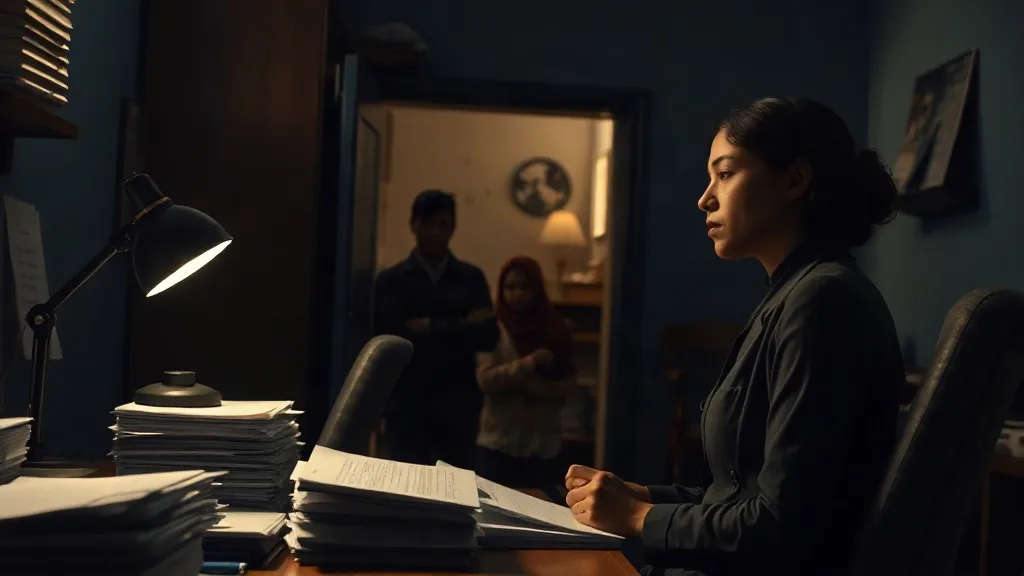
In a world where immigration policies often reduce people to numbers, Fred Baillif's latest film, A Job Well Done, offers a different lens. Premiering in the main competition at the Tallinn Black Nights Film Festival, the movie dives into the lives of social workers who stand at the crossroads of compassion and bureaucracy. Through their eyes, we witness the raw, unfiltered struggles of migrants trying to find their place in a system that views them as either 'useful' or 'useless.'
Baillif, known for his innovative approach to storytelling, merges fiction with documentary elements to create a narrative that feels both authentic and urgent. The film doesn't just tell a story; it challenges us to reconsider our perceptions of migration and the people who dedicate their lives to helping others navigate it.
The Heart of the Matter: Social Workers on the Front Lines
At its core, A Job Well Done is a portrait of social workers who are often overlooked in discussions about immigration. These professionals are the bridge between migrants and the state, tasked with implementing policies while also providing human support. Baillif's camera follows them closely, capturing the daily dilemmas they face: how to uphold the law while honoring their empathy, how to advocate for individuals within a system that prioritizes efficiency over empathy.
The film's title itself is a ironic nod to the bureaucratic language that reduces complex human situations to checkboxes and outcomes. For social workers, 'a job well done' might mean successfully processing a case, but at what cost? Baillif explores this tension without offering easy answers, instead letting the contradictions speak for themselves.
Blurring the Lines Between Fiction and Reality
Baillif's method involves working closely with non-actors and incorporating their real-life experiences into the script. This approach lends the film a rawness that a traditional narrative might lack. By blending documentary techniques with fictional elements, he creates a space where the audience can't easily categorize what they're seeing. Is it a drama? A documentary? The film resists labels, much like the migrants it portrays.
This hybrid style also serves to highlight the absurdities of the bureaucratic machine. In one scene, a social worker fills out form after form, each one asking for the same information. The repetition is almost comical, yet it underscores the dehumanizing nature of the process. It's a visual metaphor for how the system wears people down, both the migrants and the workers.
Immigration Through a Different Lens
Most films about immigration focus on the journey or the destination, but A Job Well Done focuses on the intermediary space: the offices, the interviews, the waiting rooms. This is where the fate of migrants is decided, often by people who are themselves constrained by rules they may not agree with. By centering on social workers, Baillif shifts the narrative from the migrant as victim to the worker as mediator, revealing the moral complexities that both face.
The film also challenges the Western perspective on migration. Baillif has spoken about how Western societies tend to categorize migrants as either 'useful' (those who can contribute economically) or 'useless' (those who cannot). This utilitarian view ignores the humanity of the individuals and reduces their worth to their productivity. Through the social workers' eyes, we see the consequences of this mindset: the despair of those deemed 'useless,' the pressure on those labeled 'useful' to perform, and the toll it takes on the workers who must enforce these categories.
The Bureaucratic Maze
One of the film's strengths is its depiction of the bureaucratic maze that migrants and social workers must navigate. Endless paperwork, arbitrary deadlines, and changing regulations create a sense of Sisyphean futility. The social workers are depicted not as villains but as cogs in a machine, doing their best to help while being bound by rules that often seem designed to exclude rather than include.
Baillif doesn't shy away from showing the moments of failure, where compassion is overruled by procedure. These scenes are heartbreaking but necessary, as they expose the human cost of policies that prioritize order over empathy. The film suggests that true 'job well done' would require a fundamental rethinking of how we treat migrants, starting with recognizing their inherent dignity rather than their utility.
Why This Film Matters Now
In an era of increasing migration and tightening borders, A Job Well Done arrives at a critical moment. It offers a nuanced perspective that is often missing from public discourse, where migrants are either demonized or romanticized. By focusing on the middlemen and women, Baillif invites us to consider the ethical dimensions of immigration policy and the everyday heroes who try to uphold human values within an inhumane system.
The film also serves as a reminder of the power of cinema to foster empathy. By immersing us in the world of social workers, we gain a deeper understanding of the challenges they face and the compromises they make. This understanding can translate into greater compassion in our own communities and a more informed approach to immigration issues.
Conclusion: A Call for Compassion
A Job Well Done is not an easy film to watch, but it is an essential one. It forces us to confront the uncomfortable truths about how our societies treat the most vulnerable and the people who care for them. Baillif's masterful blending of fact and fiction creates a powerful narrative that lingers long after the credits roll. In the end, the film asks us to redefine what a 'job well done' truly means, suggesting that it should be measured not by efficiency but by the compassion we extend to others.
Frequently Asked Questions
What is the film 'A Job Well Done' about?
The film explores the lives of social workers who assist migrants, highlighting the clash between compassion and bureaucracy in the immigration system. It blends fiction and documentary to present a raw and authentic portrayal of their daily struggles.
Who is Fred Baillif?
Fred Baillif is a filmmaker known for his innovative storytelling techniques, often mixing fiction with documentary elements. His work frequently explores social issues with a humanistic approach.
Where did 'A Job Well Done' premiere?
The film premiered in the main competition at the Tallinn Black Nights Film Festival, one of the most prestigious film festivals in Northern Europe.
Why does the film focus on social workers instead of migrants?
By focusing on social workers, the film provides a unique perspective on immigration, showing the moral and ethical dilemmas faced by those who implement policies. It also highlights the often-overlooked human cost of bureaucracy.
How does the film address the 'useful' vs. 'useless' migrant dichotomy?
The film challenges this utilitarian view by showing the humanity of all migrants, regardless of their economic contribution. It critiques the Western tendency to categorize migrants based on their perceived usefulness.